
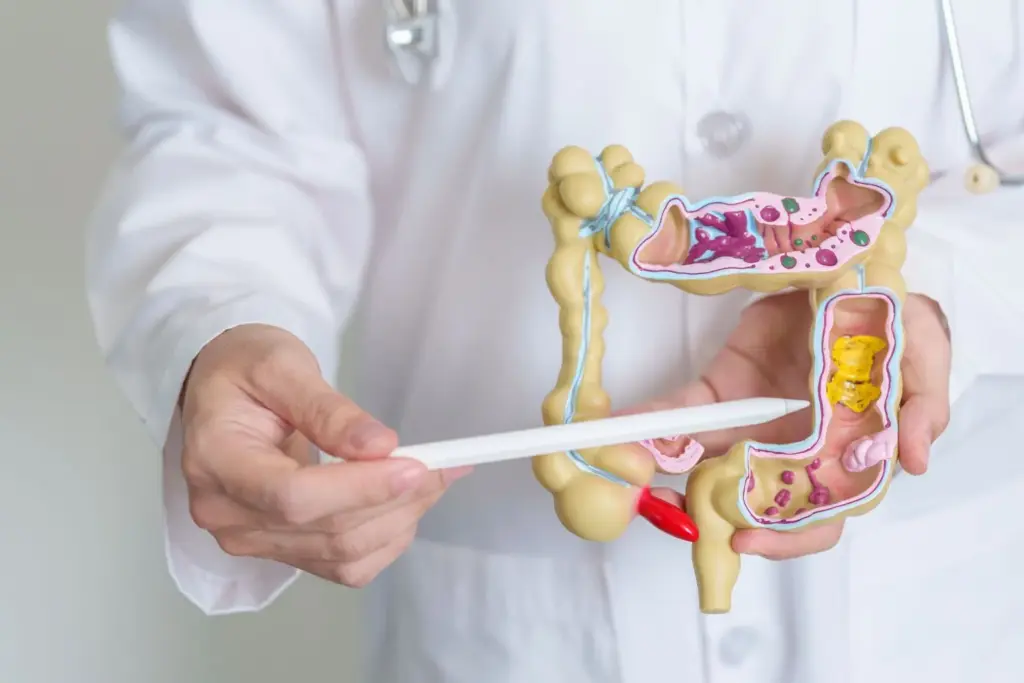
IBS vs IBD: You’ve got stomach pain. Maybe diarrhoea. Maybe both. You Google your symptoms, and two terms keep popping up: IBD and IBS. They look almost the same, just one letter different. But they’re not interchangeable.
One is uncomfortable. The other can be dangerous if left untreated. Let’s break down what sets them apart, where they overlap, and how to figure out which one you might be dealing with.
Also Read | Acidity: Why it happens, common symptoms, and warning signs
IBS: Irritable Bowel Syndrome
IBS is what doctors call a “functional gut disorder.” Your digestion feels off with pain, gas, and bloating, but if they run tests? Everything looks normal. The problem isn’t visible damage. It’s the way your gut behaves.
Common IBS symptoms:
- Bloating or discomfort after eating
- Abdominal cramps, usually relieved by going to the toilet
- Diarrhoea, constipation, or flipping between both
- Urgency without blood
Triggers include stress, caffeine, greasy food, or large meals
It’s incredibly common, and while it can seriously affect your quality of life, it won’t cause permanent damage to your gut.
IBD: Inflammatory Bowel Disease
IBD is an autoimmune disease where your immune system attacks your digestive tract. It includes:
- Crohn’s disease: Can affect any part of the gut, from the mouth to the anus.
- Ulcerative colitis: Affects only the colon and rectum
These aren’t just “bad digestion.” They involve actual inflammation, and over time, they can damage the intestines.
Common IBD symptoms:
- Frequent diarrhoea (often bloody)
- Pain that’s sharp or deep, not just cramping
- Unexplained weight loss
- Chronic fatigue
- Fever, joint pain, or skin issues during flares
- Nutrient deficiencies (iron, B12, etc.)
IBD flares can land you in the hospital. It’s not something you can manage with diet tweaks alone.

What do IBS & IBD have in common?
A lot of overlap in how they feel:
- Cramps
- Diarrhea
- Urgency
- Food sensitivity
- Gut discomfort after eating
They can both affect mental health, cause anxiety, and make eating out a challenge. But that’s where the similarities end.
How to tell the difference
If you’re losing weight, have blood in your stool, or symptoms are waking you up at night, those are red flags. IBS doesn’t do that. IBD can. Also, IBS doesn’t show up on colonoscopy or blood tests. IBD does. That’s why if your symptoms are persistent or worsening, don’t guess, get tested.
Treatment differences
- IBS: Managed with diet (like low FODMAP), stress reduction, fibre adjustments, and sometimes gut-directed therapy.
- IBD: Needs medical intervention. Think immunosuppressants, steroids, or biologics. Some cases may need surgery.
Also Read | Bloating, gas, and stomach discomfort: What your gut is telling you
IBS is painful. IBD is serious. One disrupts your life, the other can damage your body. If your gut’s acting up, don’t self-diagnose. Get it checked. Rule out the dangerous stuff early. Because in this case, that one letter makes a big difference.