
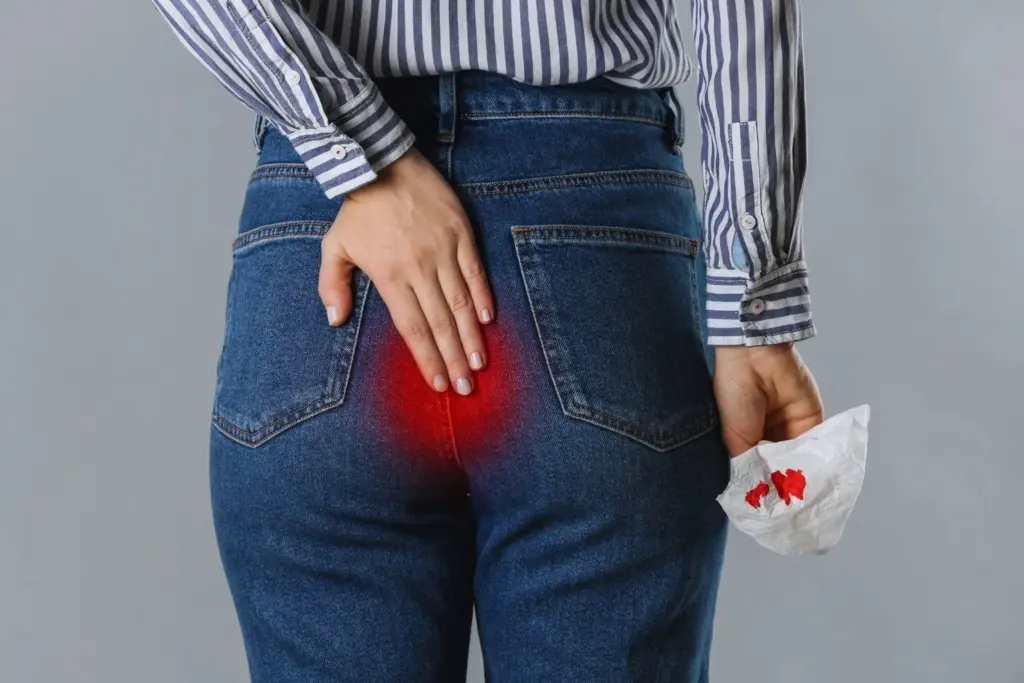
Can sitting too long cause piles: We all know sitting too much isn’t great for health, but can it actually lead to piles? If you’ve ever had that thought after a long desk day or a weekend of binge-watching, you’re not alone. Long hours of sitting can increase the risk, especially when it comes with constipation and poor movement.
What are piles?
Piles (haemorrhoids) are swollen veins in the lower rectum or around the anus, similar in idea to varicose veins, just in a more sensitive place. They’re usually grouped into two types:
- Internal haemorrhoids: inside the rectum. Often painless, but they can cause bleeding during bowel movements.
- External haemorrhoids: under the skin around the anus. These can itch, hurt, swell, and sometimes bleed.
Also Read | From hemorrhoids to cancer: Why rectal bleeding deserves attention
Common signs of piles include:
- Pain or discomfort while passing stools
- Itching or irritation around the anus
- Swelling or a small lump near the anus
- Bleeding (usually bright red)
Can sitting too long really cause piles?
Sitting alone isn’t always the only reason, but it can definitely contribute. Here’s why:
Constant pressure on the area:
When you sit for long periods, especially on a hard chair, there’s continuous pressure on the veins near the rectum and anus. Over time, that pressure can make those veins swell.
Slower circulation:
Long sitting reduces blood flow and can lead to blood pooling in the lower body. That extra pressure in the veins can increase the chances of haemorrhoids.
Indirect trigger: constipation
This is the big one. When you sit all day and barely move, digestion can slow down. That often leads to constipation, and constipation leads to straining, which is one of the strongest triggers for piles.
Who’s more likely to get piles?
Anyone can develop piles, but your chances go up if you:
- Sit for long hours every day (desk job, driving, gaming)
- Are overweight
- Are pregnant
- Often strain during bowel movements
- Eat a low-fibre diet (and don’t drink enough water)
A quick word on ergonomics:
Ergonomics simply means setting up your workspace so your body isn’t under constant strain. It’s usually discussed for back and neck pain, but it also matters for pressure on the pelvic area.
Simple sitting fixes that help:
- Use a chair with good lumbar support
- Keep feet flat on the floor
- Avoid sitting on hard, flat surfaces for long stretches
- If needed, use a cushioned seat to reduce pressure (comfort cushion; avoid anything that forces an awkward posture)
- Sit tall, not slouched; keep your back supported
- Keep your hips comfortably aligned and avoid leaning forward for long periods
The most important rule: break the sitting cycle
Even the best chair won’t help if you don’t move. Every 30–45 minutes:
- Stand up
- Stretch
- Walk for 1–2 minutes
Also Read | What to expect from non-surgical and surgical piles treatments
Sitting doesn’t cause piles overnight. But long hours without breaks, especially with poor posture, low fibre intake, constipation, and straining, can create the perfect storm.