

High BP in women: If you think high blood pressure looks the same for everyone, think again. The numbers might be similar on a blood pressure cuff, but what’s happening behind those numbers can be surprisingly different for women.
Blood pressure doesn’t always look the way you expect:
Most people imagine high blood pressure as something that builds over years of stress, fast food, and sitting too long at a desk. For women, it often sneaks up differently. Hormones play a huge role here. Estrogen, for example, has a protective effect on blood vessels, keeping them flexible and relaxed. Once menopause hits and estrogen levels drop, that protection fades. Suddenly, a woman who’s had perfect readings her whole life starts noticing her numbers creeping up.
Also Read | Can fasting help lower your blood pressure? What the research says
And it’s not always tied to lifestyle alone. Pregnancy, birth control pills, and even certain fertility treatments can influence blood pressure. Some women experience “gestational hypertension,” which shows up only during pregnancy. Sometimes it goes away afterwards, but not always.
The silent nature of blood pressure:
Here’s the tricky part: women often don’t feel the usual warning signs. A man might complain about pounding headaches or chest tightness. A woman might just feel a bit tired or “off.” It’s easy to brush that off as stress or lack of sleep. That’s probably why so many women get diagnosed later than men. They aren’t ignoring their health. The symptoms just don’t shout loud enough to be obvious.
Ever had that foggy feeling after a long day when your head’s heavy, but you blame it on coffee or deadlines? Sometimes that’s blood pressure quietly acting up.
Why blood pressure is often misunderstood:
For years, most medical studies focused on men. The “average patient” in clinical research used to be male, so a lot of the early data didn’t reflect how women’s bodies respond to treatment. Even now, women are more likely to get prescribed the same drugs and doses used for men, despite different hormonal and metabolic responses.
It’s slowly changing, but we’re still catching up. The truth is, women’s cardiovascular systems are influenced by cycles, hormones, and age in ways that medicine didn’t fully account for until recently.
What actually helps:
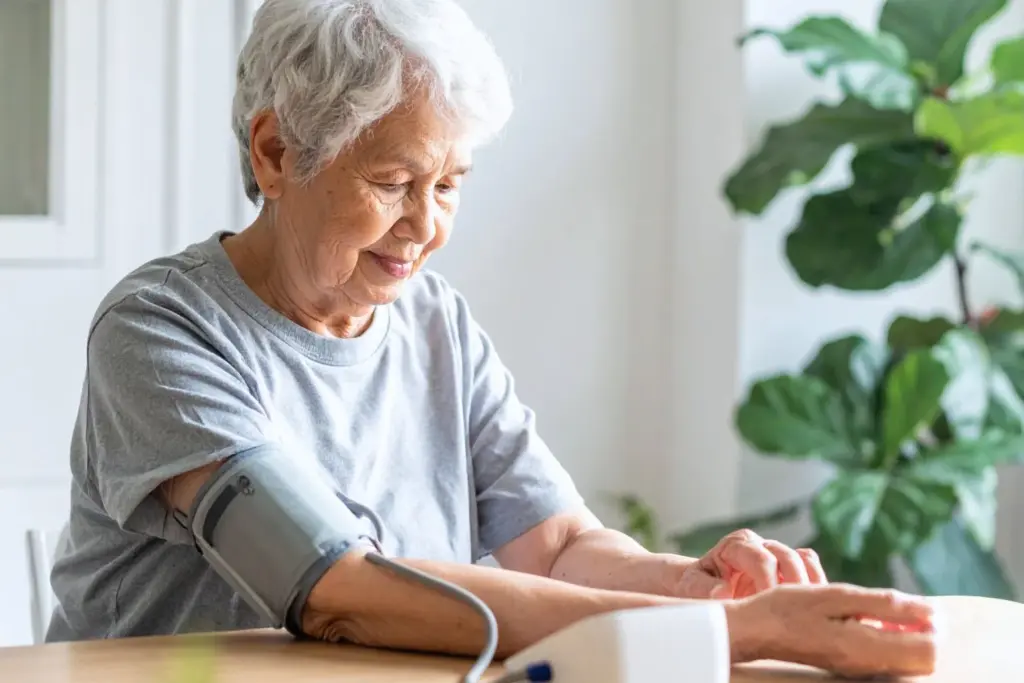
You can’t control your hormones, but you can control how you respond to the changes. Regular monitoring matters, especially after your 40s. It’s not about paranoia, it’s about awareness.
Simple things help more than people realise. A short daily walk, eating more potassium-rich foods like bananas or spinach, sleeping well, and staying hydrated go a long way. And don’t skip your annual checkup because “you feel fine.” Blood pressure issues love to hide in plain sight.
Also Read | Why early screening for teen cholesterol and BP matters
High blood pressure isn’t a “man’s disease,” and it doesn’t play fair with women. It’s quiet, sneaky, and often misunderstood. The best thing you can do is stay curious about what your body’s telling you. If something feels off, get it checked.