

Cervical cancer: Cervical cancer isn’t something most people casually talk about, but it’s an important women’s health issue, because it can often be caught early and treated successfully. Cervical cancer starts in the cervix, the lower part of the uterus that opens into the vagina. The earlier it’s found, the easier it is to manage.
What is cervical cancer?
Cervical cancer happens when cells in the cervix begin to change and grow in an uncontrolled way. Over time, these abnormal cells can form a tumour. If it isn’t detected and treated, it may spread to nearby tissues and other parts of the body. Cervical cancer usually develops slowly, which is why regular screening can catch early cell changes before they turn serious.
Also Read | Our Expert Article: Dr Dinky Gajiwala On Cervical Cancer Symptoms & Myths
What causes cervical cancer?
The most common cause is Human Papillomavirus (HPV). HPV is common; most sexually active people are exposed to it at some point. In many cases, the body clears the virus on its own. But sometimes, certain high-risk types of HPV stay in the body longer and can trigger changes in cervical cells that may develop into cancer over time.
Other factors that can increase risk include:
- smoking
- having multiple sexual partners (or a partner with multiple partners)
- a weakened immune system
Symptoms of cervical cancer:
Early cervical cancer may not cause obvious symptoms, which is why screening is so important. When symptoms do appear, they can include:
- unusual vaginal bleeding (after sex, between periods, or after menopause)
- unusual vaginal discharge (watery, bloody, or foul-smelling)
- pelvic pain or discomfort
How is cervical cancer diagnosed?
If cervical cancer is suspected, doctors usually start with tests that look for abnormal changes in cervical cells.
- Pap smear (Pap test): A small sample of cells is gently collected from the cervix and checked for precancerous or cancerous changes.
- HPV test (sometimes done with the Pap): This checks for high-risk types of HPV that are linked to cervical cancer.
- Colposcopy: If a Pap/HPV result looks unusual, the doctor may do a colposcopy—using a special magnifying instrument to examine the cervix more closely.
- Biopsy: If an area looks concerning, a small piece of tissue may be taken and sent for testing. A biopsy is what confirms whether cancer cells are present.
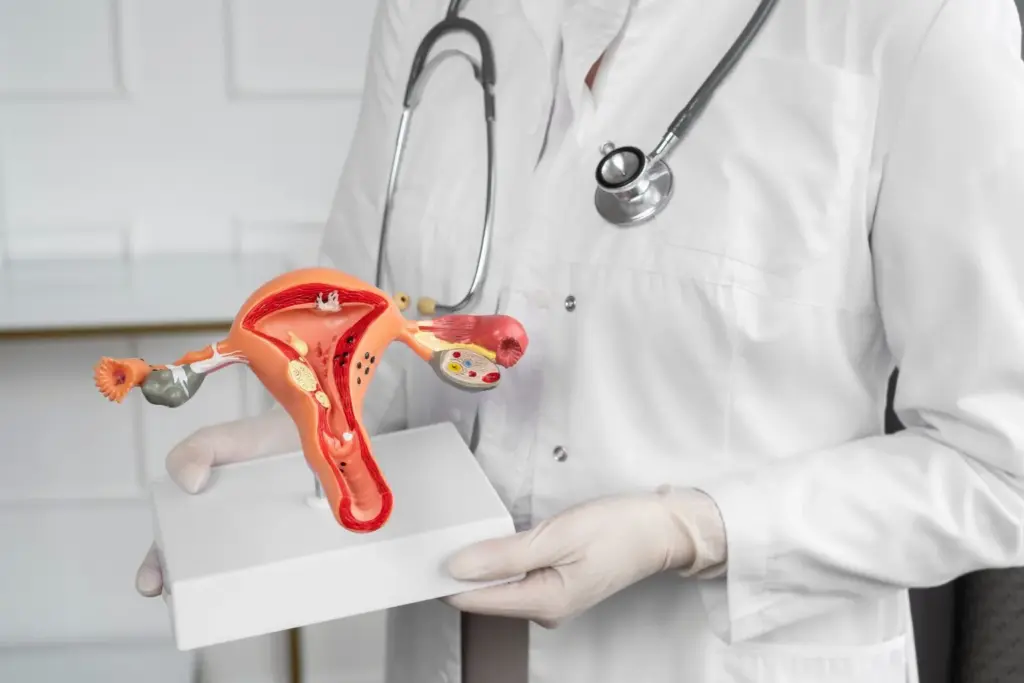
Treatment options for cervical cancer:
Treatment depends on the stage of cancer, the size of the tumour, and a person’s overall health. If caught early, treatment can be very effective.
- Surgery (often for early-stage disease)
- Cone biopsy (conization): Removes a small cone-shaped piece of tissue from the cervix. This can treat very early cancers or high-grade precancer.
- Hysterectomy: In some cases, removing the uterus and cervix may be recommended, especially when the cancer is more extensive but still localised.
- Radiation therapy: Radiation uses high-energy rays to destroy cancer cells. It may be used alone in certain cases or combined with chemotherapy in more advanced stages.
- Chemotherapy: Chemotherapy uses medicines to kill cancer cells or slow their growth. It’s often used alongside radiation (chemoradiation) or when the cancer has spread beyond the cervix.
Also Read | HPV beyond cervical cancer: Throat, anal, penile & vulvar risks
When found early, cervical cancer is highly treatable. Even better, many cases can be prevented through HPV vaccination and regular screening. If there’s one thing worth remembering, it’s this: don’t wait. Start screening in your 20s (or as your doctor advises).