
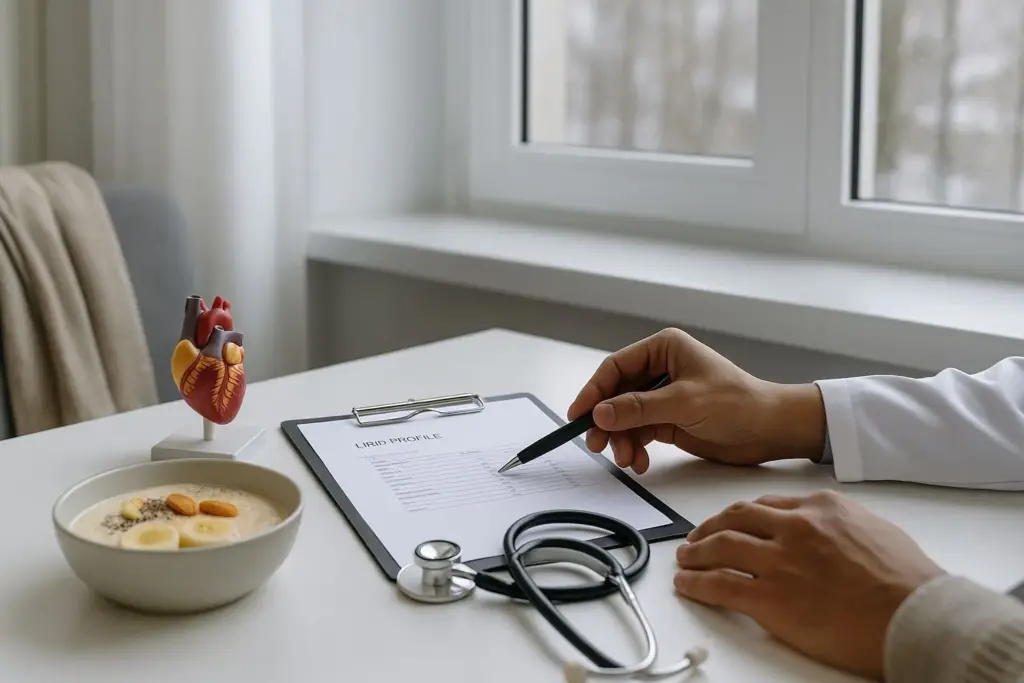
Cholesterol spikes during winter: Ever noticed how winter doesn’t just bring out sweaters and soup cravings, but also… your blood test results look a little worse? You’re not imagining it. There’s actually a connection between colder months and higher cholesterol levels.
It sounds odd at first. What does chilly air have to do with fat in your blood? Turns out, quite a bit.
Also Read | How can a vegan or vegetarian diet affect your cholesterol levels?
Why do cholesterol levels rise in winter?
When the temperature drops, your body starts doing what it always does best: survival mode. It tries to keep you warm, protect vital organs, and conserve energy. That often means slowing down certain processes, like metabolism. So, your body burns fewer calories, and your cholesterol levels naturally inch upward.
Another reason is diet. Let’s be honest, who’s reaching for salads when it’s ten degrees outside? Winter comfort food is heavier, creamier, and richer. More butter, more cheese, more everything. Combine that with fewer outdoor workouts, and you’ve got a perfect recipe for those sneaky cholesterol spikes.
There’s also some science behind it. Studies suggest that in colder temperatures, blood vessels constrict to keep heat inside the body. When that happens, blood pressure and cholesterol can both go up because your heart is working harder to pump through tighter vessels.
The “hibernation” factor:
Humans don’t technically hibernate, but you wouldn’t know it by looking at winter habits. People move less, sleep more, and often feel sluggish. That slower pace might sound cosy, but it also means your body’s not clearing out fats and sugars as efficiently.

And if you’re spending most of your day indoors with less sunlight, your vitamin D levels might dip too. Low vitamin D has been linked to higher LDL cholesterol. So it’s all connected, a kind of chain reaction that starts with the cold and ends with numbers on your blood test creeping higher.
What can you actually do about it?
Here’s the thing. You don’t have to panic every time winter rolls around. These changes are usually temporary, and a little awareness goes a long way.
Stay active, even if it’s just a brisk walk or some stretching at home. It doesn’t have to be perfect; it just has to happen. Keep an eye on your comfort foods. Enjoy them, but maybe don’t let “just one more slice” become a daily routine.
Also Read | Why early screening for teen cholesterol and BP matters
And check your cholesterol around the same time each year. Comparing a winter test to a summer one might freak you out for no reason, since those natural fluctuations are totally normal.
Cold weather doesn’t cause high cholesterol, but it definitely nudges it upward. Think of it as your body’s seasonal adjustment. The goal isn’t to fight it, just to work with it. So next time you’re sipping hot chocolate and your doctor reminds you to watch your cholesterol, don’t roll your eyes. They’re not wrong. The cold really can mess with your numbers, just not in ways that can’t be managed with a bit of balance and common sense.