
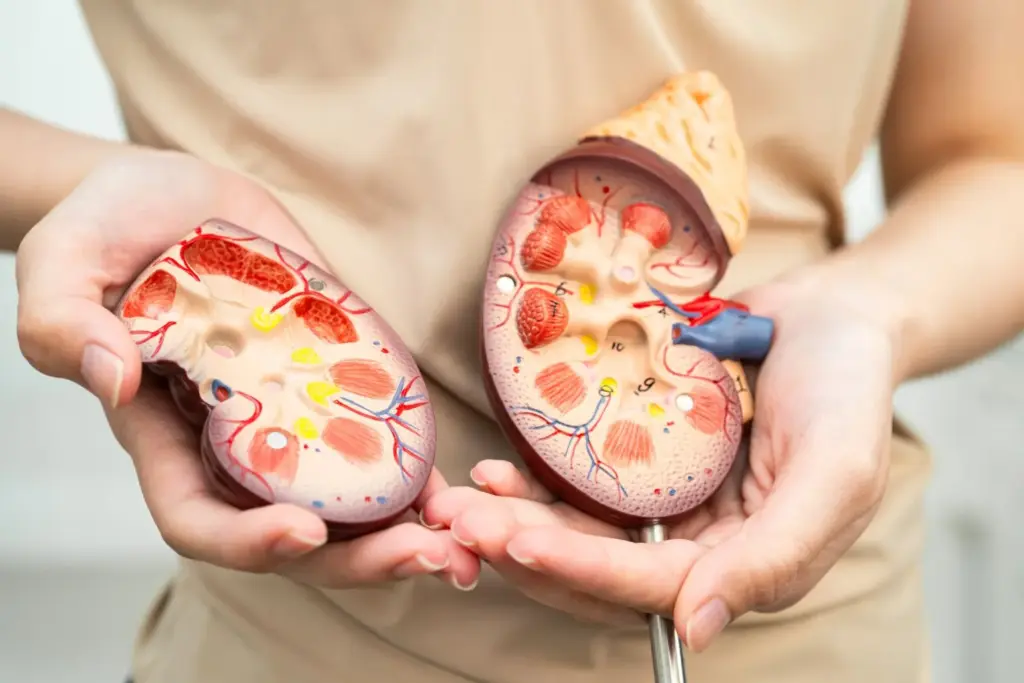
Treatment options for kidney failure: Hearing the words “kidney failure” can hit like a brick. It’s scary, confusing, and a little surreal. Most people don’t think much about their kidneys until they stop working the way they should. But here’s the thing: treatment doesn’t always look the same for everyone. There are options, and understanding them helps you (or someone you love) make decisions that actually make sense.
First, What Does “Kidney Failure” Even Mean?
Let’s keep it simple. Your kidneys filter waste and extra fluid from your blood. When they stop doing that properly, toxins start building up. You might feel tired all the time, notice swelling in your ankles, or see your blood pressure climb for no reason. That’s when doctors start talking about “renal failure.”
Also Read | Why kidney stones form and the best diet to prevent them
Now, depending on how far along things are, treatment can mean slowing down damage or replacing kidney function altogether. Sounds intense, but there’s a system to it.
Dialysis: When the Machine Steps In
For many people, dialysis becomes a lifeline. There are two main types: hemodialysis and peritoneal dialysis.
Hemodialysis is what most people picture: you go to a clinic, a machine filters your blood through an artificial kidney, and you go home afterwards. The sessions usually last a few hours, a few times a week. Some people find it draining (literally and figuratively), but it keeps the body balanced.
Peritoneal dialysis works differently. It uses the lining of your abdomen to filter waste through a special fluid. You can do it at home, even overnight while you sleep. Some folks prefer it for the flexibility, it gives a bit more control over daily life.
Dialysis isn’t a cure, though. It’s more like a reliable backup system, keeping things running until a longer-term solution is possible.

Transplant: The Gold Standard
A kidney transplant, when it’s an option, changes everything. Instead of relying on machines, you get a functioning kidney from a donor, living or deceased, and your body goes back to doing what it’s supposed to.
It’s not as simple as swapping out a part, of course. There’s surgery, recovery, and lifelong medication to prevent rejection. But many people say it gives them back a sense of normalcy they hadn’t felt in years. The waitlist can be long, and not everyone qualifies, but when it works, it’s life-changing.
Supportive Care: When Comfort Matters Most
Not everyone chooses dialysis or transplant, and that’s okay. Some opt for what’s called conservative management, focusing on comfort, symptom relief, and quality of life. It’s a deeply personal choice. Sometimes, it’s the right one.
Also Read | 7 easy ways to keep your kidneys healthy and functioning well
Kidney failure changes your routine, your diet, your patience, pretty much everything. But it doesn’t have to erase your sense of control. The right treatment isn’t just about numbers on a lab report; it’s about what fits your life. Talk to your doctor. Ask questions. Take notes. And don’t rush into decisions; this is your body’s story, and you get to help write it.
FAQs: Kidney Failure Treatment Explained: What Patients Should Know
What is kidney failure?
Kidney failure happens when the kidneys can no longer filter waste, extra fluid and toxins from the blood properly.
What are common signs of kidney failure?
Common signs may include tiredness, swelling in the feet or ankles, high blood pressure, reduced urination, nausea, loss of appetite and fluid retention.
Is dialysis a cure for kidney failure?
No. Dialysis does not cure kidney failure. It helps replace some kidney functions and keeps the body balanced.
Is kidney transplant better than dialysis?
For eligible patients, a kidney transplant can offer better long-term quality of life, but not everyone qualifies and it requires lifelong follow-up and medicines.
Can kidney failure be reversed?
Acute kidney failure may sometimes improve with treatment. Chronic kidney failure is usually long-term and may require ongoing care.