

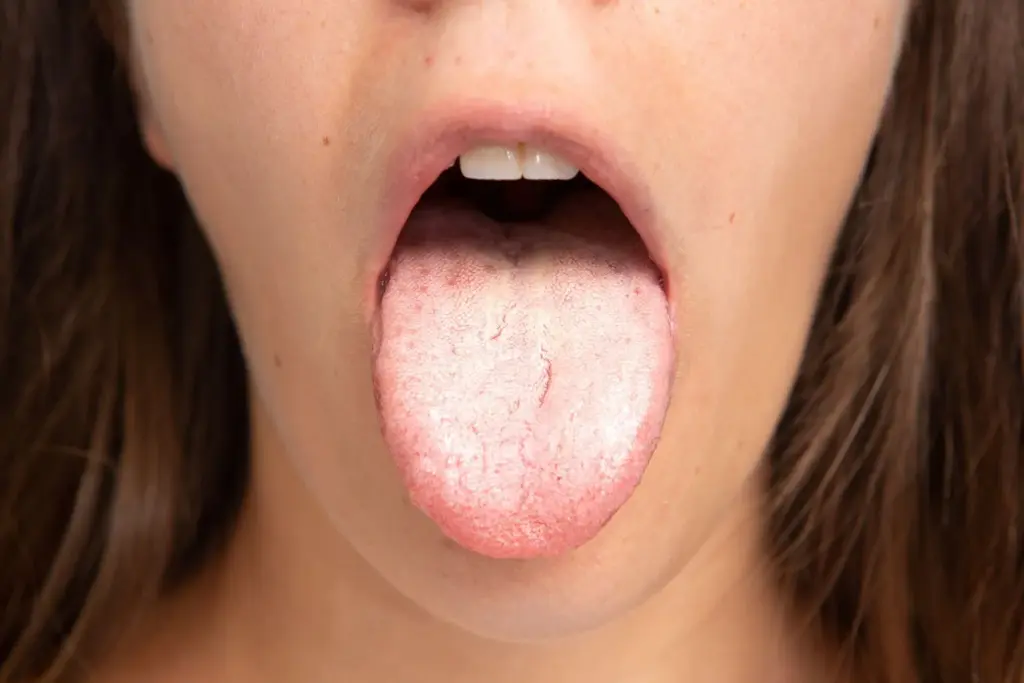
Dry mouth in winter: Winter has its own charm: warm layers, hot drinks, quieter nights. But the same cold season can leave your mouth feeling unusually dry. If you’ve ever woken up with a sticky tongue, a dry throat, or that “sandpaper” feeling in your mouth, it’s a very common winter complaint. And it’s not only about comfort. When your mouth stays dry often, your risk of cavities, bad breath, and irritated gums can go up.
Why is dry mouth more common in winter?
Dry mouth happens when your saliva production drops. Saliva matters more than most people realise. It keeps the mouth moist, helps with swallowing, supports digestion, and constantly protects teeth by washing away food particles and controlling bacteria.
In winter, a few everyday factors push saliva levels down:
- Dry outdoor air: Cold air naturally holds less moisture, so your mouth and throat dry out faster, especially when you breathe through your mouth.
- Indoor heating: Heaters make rooms cosy, but they also pull humidity from the air, leaving your home or office warm and dry.
- Less water intake: Many people drink less water in winter because they don’t feel as thirsty, even though the body still needs regular hydration.
Also Read | Why winter triggers tooth sensitivity and how to get relief fast
How can a dry mouth affect your teeth and gums?
Saliva is like your mouth’s built-in rinse. When there isn’t enough of it, plaque forms more easily, and bacteria stick around longer. Over time, that can lead to:
- More cavities (because food and acids aren’t cleared away as well)
- Gum irritation or swelling
- Bad breath
- A burning or uncomfortable sensation in the mouth
- Cracked lips
- Difficulty chewing or swallowing
- Faster plaque buildup
Simple care tips to prevent dry mouth in winter:
Sip more fluids throughout the day:
In winter, you may not feel thirsty, but your body still needs steady hydration. Keep a bottle or flask nearby and take small sips often, rather than drinking a large amount at once. Try:
- Warm water
- Caffeine-free herbal teas
- Water with a slice of lemon
- Soups and broths
Add moisture back to your room:
Indoor heating dries the air quickly, especially at night. If you regularly wake up with a dry mouth, a humidifier can make a noticeable difference. A humidifier helps by:
- Restoring humidity in the air
- Preventing your mouth, nose, and throat from drying out
- Reducing morning dryness and irritation
Nose-breathe whenever possible:
Mouth breathing dries the mouth more quickly, and the dry winter air exacerbates the issue. Breathing through your nose helps warm and humidify the air before it reaches your throat. If congestion is the problem, consider:
- Steam inhalation
- Saline nasal spray
- Keeping your space dust-free
- Staying warm to reduce cold-related stuffiness
Cut back on caffeine and alcohol:
Both caffeine and alcohol can reduce saliva production, which makes dryness harder to manage. Limit when possible:
- Coffee
- Strong/black tea
- Hot chocolate
- Alcoholic drinks
Don’t forget your lips:
Dry, cracked lips can make your whole mouth feel uncomfortable. Avoid licking your lips; it dries them out even more. Use:
- Coconut oil
- Shea butter
- Petroleum jelly
- A gentle, fragrance-free lip balm
Eat foods that naturally hydrate:
Certain foods help keep the mouth comfortable because they contain water and stimulate saliva. Include more:
- Citrus fruits (oranges, lemons)
- Cucumber
- Leafy greens
- Apples
- Carrots
- Soups
- Yogurt
See a dentist if it keeps happening:
Occasional winter dryness is common, but persistent dry mouth should be checked, especially if you notice dental issues. Book a visit if your dry mouth:
- Sticks around for weeks
- Comes with tooth sensitivity or pain
- Is linked with frequent cavities
- Causes cracks on the tongue or sore gums
- Makes bad breath worse
Also Read | What causes tooth decay? Warning signs and prevention tips
Winter dry mouth is common, but it doesn’t have to become your “normal.” With a few small habits like more fluids, better indoor humidity, and consistent oral care, you can stay comfortable and protect your teeth and gums all season long.