
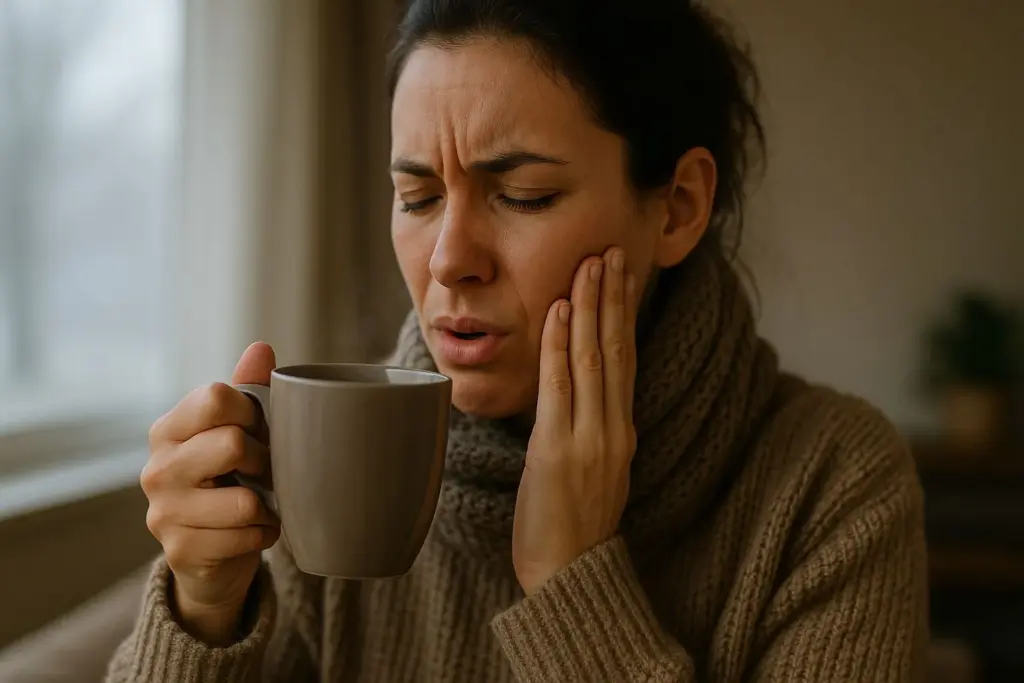
Winter triggers tooth sensitivity: Step outside on a cold winter morning, take a deep breath, and suddenly one tooth feels like it’s been zapped. That quick, sharp sting is something many people notice in winter, especially when cold air hits the mouth. It’s common, it’s annoying, and it can make simple things like walking outside or sipping tea uncomfortable.
So why does cold air hurt your teeth?
Your teeth are built in layers. The outermost shield is enamel, and it’s meant to protect what’s underneath. But when enamel gets worn down, because of hard brushing, acidic foods, grinding, cavities, or gum recession, the next layer, dentin, starts to get exposed.
Dentin isn’t as tough as enamel. It has tiny channels that lead inward. When cold air, hot foods, or sugary drinks touch exposed dentin, those channels carry the sensation toward the inner part of the tooth where the nerves live. That’s when you feel the sudden “shock-like” pain.
Also Read | What causes tooth decay? Warning signs and prevention tips
Why does winter make sensitivity worse?
- Cold air hits your teeth directly: If you breathe through your mouth, chilly air rushes straight onto the tooth surface. That sudden temperature drop can irritate the nerves and cause an instant, sharp pain.
- Dry air + heaters dry out the mouth: Winter air is naturally dry, and indoor heating makes it worse. A dry mouth usually means less saliva, and saliva is your mouth’s natural protection. When saliva reduces, teeth and gums can feel more irritated, and sensitivity can flare up.
- Existing enamel wear becomes more noticeable: Hot drinks, acidic foods, and harsh toothpaste can slowly weaken enamel over time. Winter doesn’t create the problem; it just makes you feel it more.
Signs it could be winter tooth sensitivity:
- A sharp sting when you breathe in cold air
- Pain with hot or cold drinks
- Discomfort while eating sweet, sour, or salty foods
- A sudden ache while brushing
- Pain that comes and goes
How to ease tooth sensitivity?
Try nose breathing:
Breathing through your nose keeps cold air from blasting your teeth directly. If you struggle due to allergies or congestion, consider:
- Steam inhalation
- Nasal strips
- Warm saline rinses
Use a sensitive-tooth toothpaste:
Sensitive-tooth toothpaste helps block the tiny channels in dentin so the nerves don’t react as strongly. Use it consistently for two to three weeks to feel a clear difference. Common ingredients in sensitive-tooth toothpaste include:
- Potassium nitrate
- Stannous fluoride
Switch to a soft-bristle toothbrush:
If you’re using a hard brush or brushing aggressively, you could be making sensitivity worse. Try brushing with light pressure in small circular motions instead of harsh back-and-forth strokes. A soft-bristle brush helps because it:
- protects the enamel surface
- reduces gum irritation
- lowers the risk of gum recession
- keeps sensitivity from getting worse over time
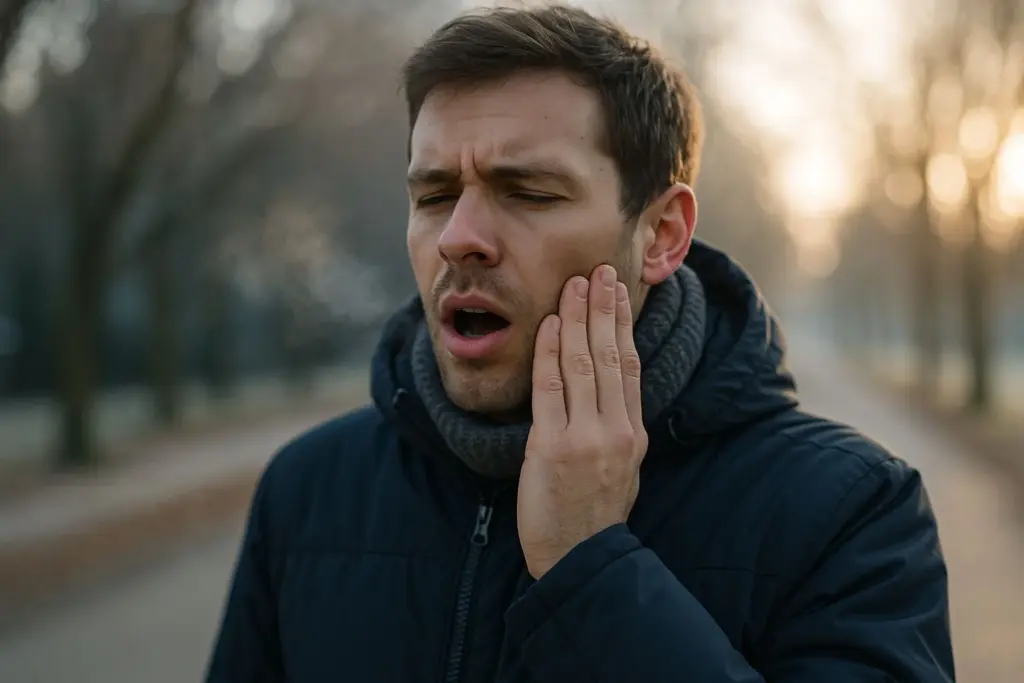
Avoid very hot or very cold foods:
In winter, extreme temperatures can trigger that sudden zing in sensitive teeth. To stay comfortable, stick to lukewarm drinks and room-temperature foods when possible. Try limiting:
- piping hot tea or coffee
- ice-cold water or cold drinks
- frozen desserts
- very sour or sugary foods (they can irritate sensitive teeth further)
Occasional sensitivity is common, but if the pain becomes intense, lasts more than a few weeks, or makes eating and drinking difficult, it’s best to get it checked. Sensitivity can sometimes point to issues like cavities, cracks, or gum problems. A dentist may suggest:
- fluoride treatment to strengthen enamel
- dental bonding to cover exposed areas
- desensitising gels or varnishes
- gum treatment if recession is the cause
- fillings or repairs for cracks/cavities
- a custom night guard if grinding is involved
Also Read | Why poor oral hygiene can harm your heart
Winter sensitivity is annoying, but it doesn’t have to ruin the season. With gentle brushing, smart food choices, and timely dental care, you can calm the nerves, protect your enamel, and enjoy winter without that sharp tooth sting.