

Sweating out a fever: If you’ve ever had a fever, you’ve probably heard the advice: “Bundle up, drink something hot, sweat it out, the fever will break.” It sounds comforting, almost traditional. But it isn’t always a good idea.
What a fever really is:
A fever isn’t a disease by itself. It’s your body’s built-in alarm system. When you catch an infection, usually viral or bacterial, your brain raises your body temperature on purpose. That warmer environment can slow down germs and give your immune system an edge. Normal body temperature sits around 98.6°F (37°C). When it reaches about 100.4°F (38°C) or higher, we call it a fever. In that sense, a fever can actually mean your body is responding the way it should.
Also Read | Can antibiotics treat viral fever? Myths and medical facts
Where the ‘sweat it out’ idea comes from:
The logic behind sweating is simple: if heat is part of fever, then adding more heat might “push it out faster.” That’s why people suggest thick blankets, hot tea, steam, and heavy clothing. But here’s the catch: your body is already overheated. Forcing extra heat doesn’t treat the infection. It can just make your body struggle more.
Why can it backfire?
Sweating heavily makes you lose fluids and important salts like sodium and potassium. Fever itself already increases fluid loss, so adding extra sweating can tip you into dehydration. Signs can be subtle at first: dry mouth, dizziness, headache, dark yellow urine, weakness. Dehydration can make you feel worse, slow recovery, and in severe cases, become dangerous.
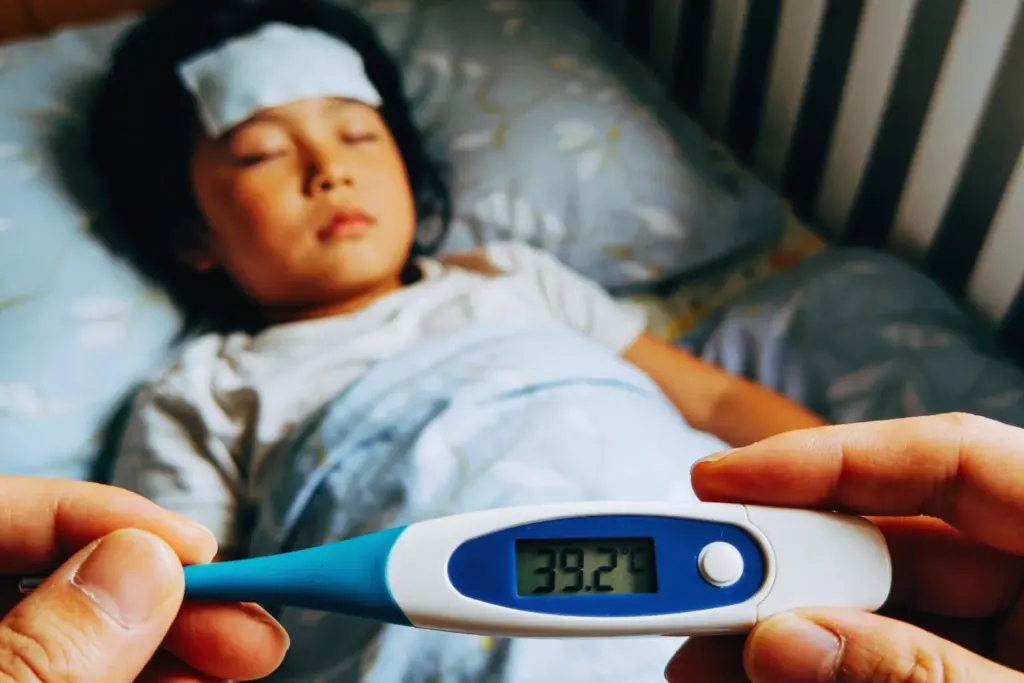
There’s another problem: when you’re wrapped in layers, your body can’t cool down properly. Instead of helping the fever settle, you may trap heat, raising the temperature even higher. Very high fevers (around 104°F / 40°C or more) can cause serious issues like confusion, seizures (especially in children), and can be harmful if not managed properly.
A fever isn’t “toxins leaving the body.” It’s not something you can sweat out like poison. It’s your immune system doing its job. The real goal is to stay comfortable, stay hydrated, and monitor the temperature, not force the body to overheat even more.
So what should you do instead?
Start with the basics: fluids, comfort, and rest. Sip water regularly. If plain water feels boring, coconut water, clear soups, and light herbal teas are good options too. The goal is simple: keep your body hydrated while it’s working harder than usual.
Next, don’t trap the heat. Skip the heavy blankets and thick layers. Wear loose, breathable clothes and keep the room comfortably cool. Let your body do what it’s designed to do: regulate its own temperature.
And finally, slow down. Fever isn’t the time to “push through.” Avoid workouts, long errands, or heavy household chores. Your immune system needs energy, and rest is part of recovery, not laziness.
Also Read | Which fever range is normal, and which needs urgent care?
The main thing to remember is this: a fever is your body fighting back. Forcing yourself to sweat may feel like a shortcut, but it doesn’t make you heal faster. It can leave you dehydrated, more exhausted, and sometimes even hotter than before.
FAQs: Fever and ‘sweating it out’
Should I try to sweat out a fever?
Not usually. Fever already raises body temperature, and forcing extra sweating can increase dehydration and make you feel worse.
Is sweating a sign that the fever is breaking?
Sometimes. Many people sweat when the temperature starts coming down, but sweating alone doesn’t “remove” the fever’s cause.
When should I take medicine for a fever?
If fever is making you very uncomfortable, affecting your sleep, or causing body aches, fever-reducing medicines may help. Follow label directions and medical advice, especially for children.
When is fever considered “high”?
In adults, around 103°F (39.4°C) or higher is generally considered high. In children, guidance depends on age; monitor closely and follow pediatric advice.
When should I see a doctor for a fever?
Seek medical advice if the fever lasts more than 3 days, keeps returning, or is accompanied by severe symptoms like breathing difficulty, confusion, persistent vomiting, severe weakness, stiff neck, or dehydration.