
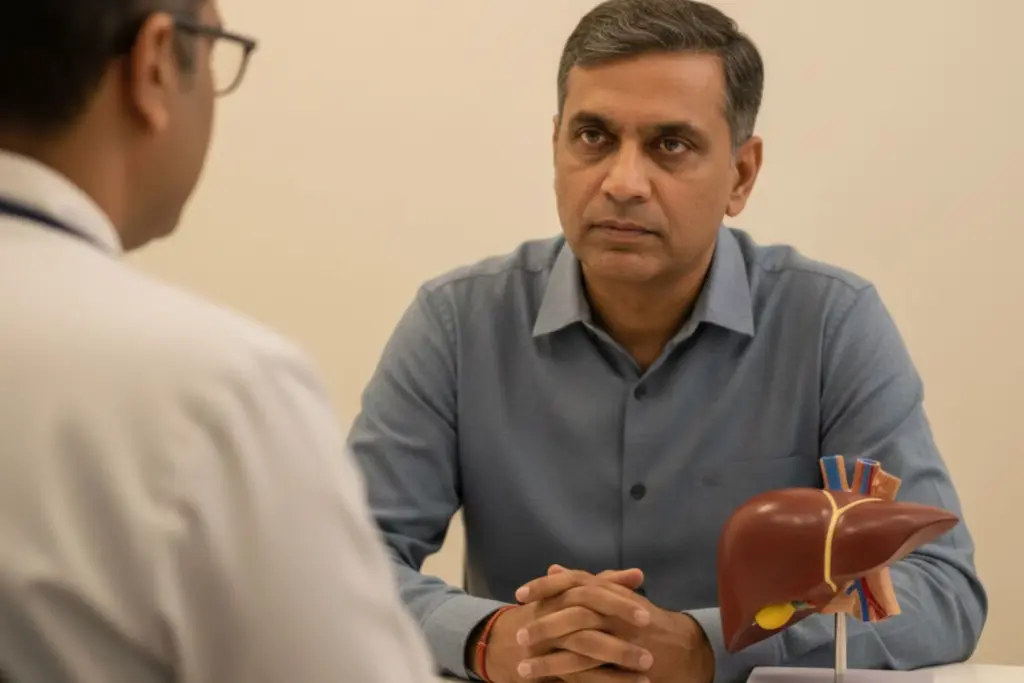
Signs of liver damage: Your liver is one of the hardest-working organs in your body. Every day, it filters your blood, supports digestion, stores and releases energy, and helps your body handle medicines and other chemicals. The problem is that liver trouble often starts quietly; early symptoms can be mild or easy to miss. That’s why knowing the basics and spotting warning signs matters.
What does the liver actually do?
Think of the liver as your body’s filter + factory. It:
- Cleans and processes substances in the blood
- Breaks down alcohol and many medications
- Produces bile to help digest fats
- Stores nutrients and manages energy supply
- Helps with blood clotting, so you don’t bleed excessively after an injury
Because it handles so many essential jobs, even small damage can affect overall health.
Also Read | Can fatty liver be reversed naturally?
What can damage the liver?
Liver damage usually builds up over time. Common causes include:
- Heavy or long-term alcohol use
- Viral hepatitis infections (like hepatitis B or C)
- Fatty liver disease (often linked to excess weight, diabetes, or high cholesterol)
- Autoimmune liver conditions (where the immune system attacks liver cells)
- Certain medications or toxins (especially when misused)
If the liver stays inflamed or injured for too long, it can develop scarring (fibrosis). Over the years, severe scarring can lead to cirrhosis, where the liver struggles to do its normal work.
Common signs of liver damage:
Liver problems don’t always announce themselves loudly. In the early stages, symptoms can look like everyday issues until they start stacking up.
Constant fatigue that doesn’t improve with rest:
If you feel unusually drained for days or weeks, like your body never fully “recharges”, it can be a warning sign. When the liver isn’t working well, the body’s energy balance and metabolism can be affected, leaving you feeling sluggish, sleepy, or mentally foggy.
Yellowing of the skin or eyes (jaundice):
This is one of the most noticeable red flags. Yellow skin or yellowing in the whites of the eyes can happen when the liver can’t clear bilirubin properly. Jaundice may also come with dark urine and pale or clay-coloured stools.
Swelling or bloating in the belly:
A suddenly swollen abdomen or a “tight” bloated feeling, especially when it keeps returning, can sometimes be linked to fluid build-up. This can happen in more advanced liver disease when protein levels and blood flow changes affect how fluid is handled in the body.

Swelling in the legs or feet:
Fluid retention can also show up as puffiness around the ankles and lower legs, especially in the evening.
Spider-like blood vessels on the skin:
Some people notice small, web-like blood vessels (often on the chest, shoulders, or arms). In certain cases, liver disease can affect hormone balance and blood vessel changes.
Changes in urine or stool:
Bathroom clues matter:
- Urine: dark brown or tea-coloured
- Stool: pale, greyish, or unusually greasy/floating
- Odour/texture changes: persistent and unusual changes can be a signal to check in
When should you see a doctor?
Seek medical advice if you notice:
- Yellowing of the skin or eyes
- Ongoing fatigue with no clear reason
- Unexplained weight loss or poor appetite
- Swollen belly, legs, or ankles
- Easy bruising/bleeding
- Confusion, poor focus, or memory changes
Early evaluation can make a big difference in slowing or managing liver damage.
How to protect your liver
- Limit alcohol (or avoid it if you already have liver concerns)
- Eat more fruits, vegetables, whole foods, and lean proteins
- Cut down on excess sugar and ultra-processed foods
- Maintain a healthy weight and manage diabetes/cholesterol
- Use medicines responsibly, avoid self-medicating with painkillers
- Get tested for hepatitis if you’re at risk (doctor-guided)
Also Read | Fatty liver: The difference between alcohol damage and metabolic damage
Your liver is a quiet worker; it can struggle for a long time before symptoms become obvious. If something feels off and stays off, especially fatigue, jaundice, swelling, or major bathroom changes, don’t ignore it. Getting checked early is the best way to protect your liver and your long-term health.