

Birth trauma after delivery: No one really tells you how chaotic childbirth can get. Sure, you hear the stories, water breaking in the car, 18-hour labours, nurses yelling “push!” like it’s a high-stakes game, but what about the part where the mom walks away not just sore, but shaken? Deeply, emotionally rattled. That’s birth trauma, and it doesn’t always leave visible scars.
Let’s be clear: it’s not just about something going medically wrong. Yes, emergencies like haemorrhages or unplanned C-sections can trigger it, but so can being ignored, shouted at, or made to feel powerless during labour. A healthy baby doesn’t automatically mean the birth was “fine.” That phrase, “but the baby’s healthy!”, can feel like a slap when a woman’s still mentally replaying the worst day of her life.
Some women describe it like a fog.
Also Read | How to prepare your body for IVF: Lifestyle and medical tips
Others remember every moment in high-def: the tone of a doctor’s voice, the coldness of the delivery room, the panic when something didn’t feel right, and no one listened. It’s not just about pain, either. It’s the fear. The loss of control. Feeling like things were happening to you, not with you.
What makes it worse? We don’t talk about it. Moms are expected to bounce back, smile for pictures, and fall in love with their baby instantly. But trauma doesn’t punch out just because the hospital bracelet comes off.
Weeks, months, even years later, the aftershocks linger. Panic attacks. Sleepless nights. Fear of hospitals. And in some cases, a complete dread of having another child, not because the parenting part is scary, but because the idea of giving birth again feels like walking back into a battlefield.
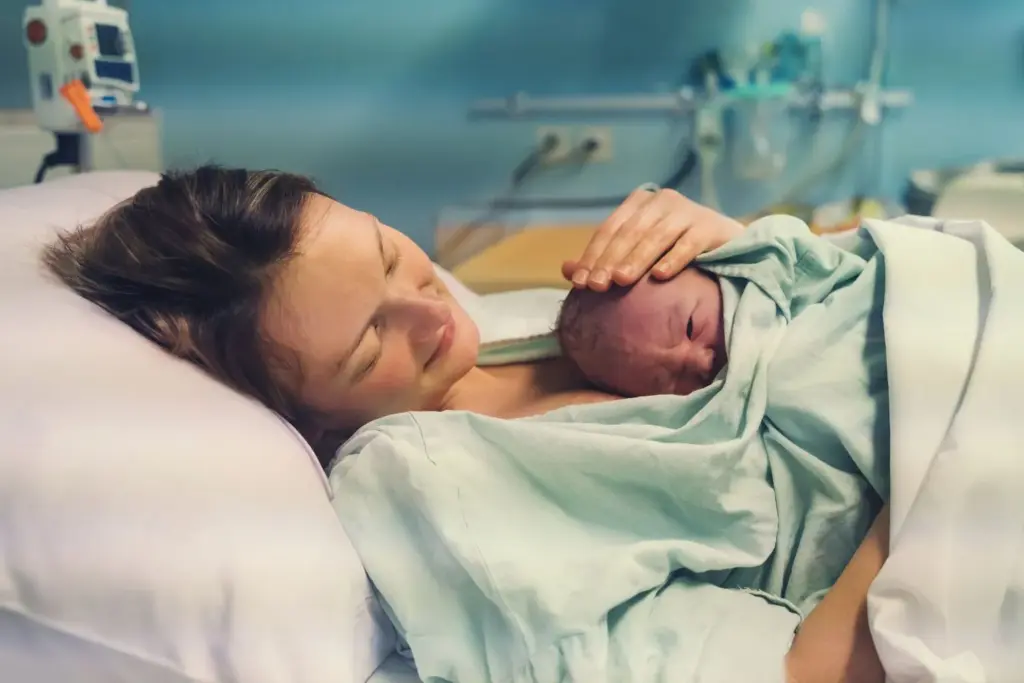
Here’s the kicker: birth trauma is common. But many women don’t even realise that what they went through was trauma. They just assume they’re being too sensitive. That somehow, they failed. Spoiler: they didn’t.
Support systems matter. Sometimes it takes just one midwife, one nurse, or one friend who says, “Hey, that sounds traumatic,” for the healing to start. Therapy helps. Peer groups help. Even just saying the words out loud helps.
Also Read | Thyroid in pregnancy: Why it fluctuates and how you can keep your baby safe
You know what doesn’t help? Silence. Brushing it off. Telling new moms they should be grateful.
Birth can be beautiful. But when it’s not, we need to stop pretending everything’s fine just because there’s a cute baby involved. The person who brought that baby into the world deserves to feel safe, seen, and whole, not broken and dismissed.
And if you’re reading this and something about it hits too close to home? You’re not alone. You’re not being dramatic. And no, you’re not just “emotional.”
You’re human. And what happened to you matters.