
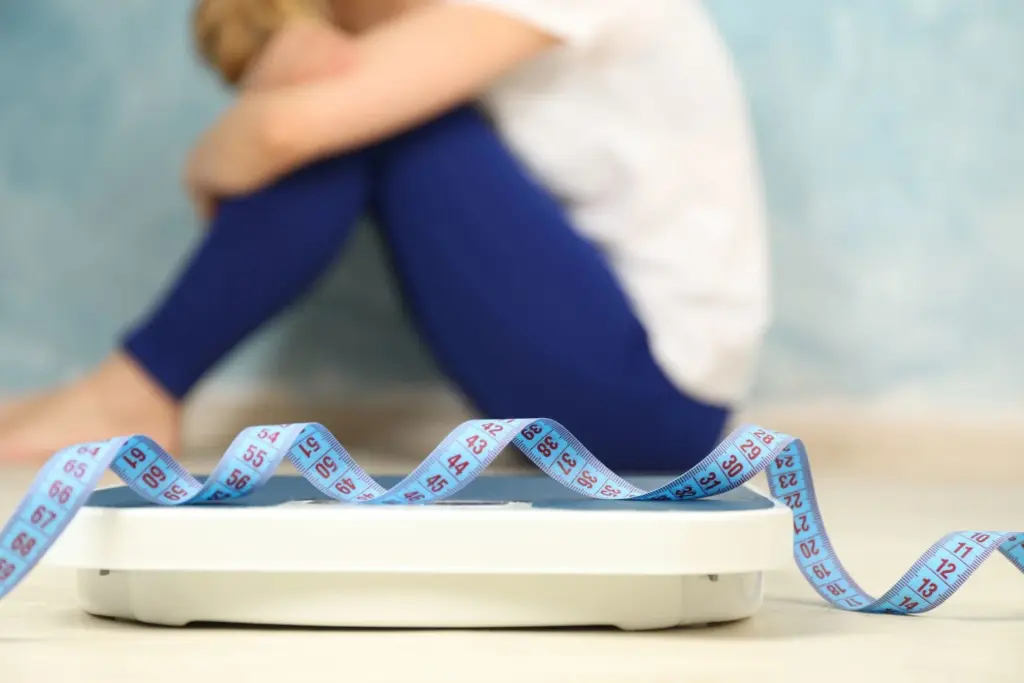
Body image concerns: A study by researchers at the All India Institute of Medical Sciences (AIIMS), New Delhi, has found that body-image distress is common among young adults at both ends of the weight spectrum, with underweight and obese participants reporting the highest levels of concern.
The survey, conducted among 1,000 young adults, showed that nearly half of those who were underweight or obese experienced moderate to severe worries linked to their body weight, including feeling self-conscious and lacking confidence. The researchers reported that 47.1% of underweight participants and 49.6% of obese participants fell into the moderate-to-severe category of body image concerns.
Also Read | FDA clears Novo Nordisk’s weight-loss pill, first oral option in booming market
By comparison, participants in the normal-weight and overweight categories mostly reported milder concerns, with 35.8% of normal-weight individuals and 35.5% of overweight individuals reporting moderate to severe issues.
The findings also highlighted the role of social pressure: 37.5% of participants said they felt judged by others because of their weight, while 24.5% reported frequent anxiety related to weight.
The study noted that the nature of distress differed across weight groups. Feelings of self-consciousness were more strongly linked with obesity, while confidence problems were most pronounced among underweight participants. Confidence concerns were also seen among obese participants, though less severely than in the underweight group.
Researchers have long recognised body weight as a significant factor influencing psychological well-being in young adults. The results provide further insight by identifying which aspects of well-being are most affected across different weight categories.
They called for broader health policies that address body-image concerns not only in obesity but across the weight spectrum, including underweight individuals who are often overlooked. The team also recommended that educational institutions and healthcare providers include body-image literacy and resilience-building programmes to reduce stigma and support mental as well as physical health among young adults.