
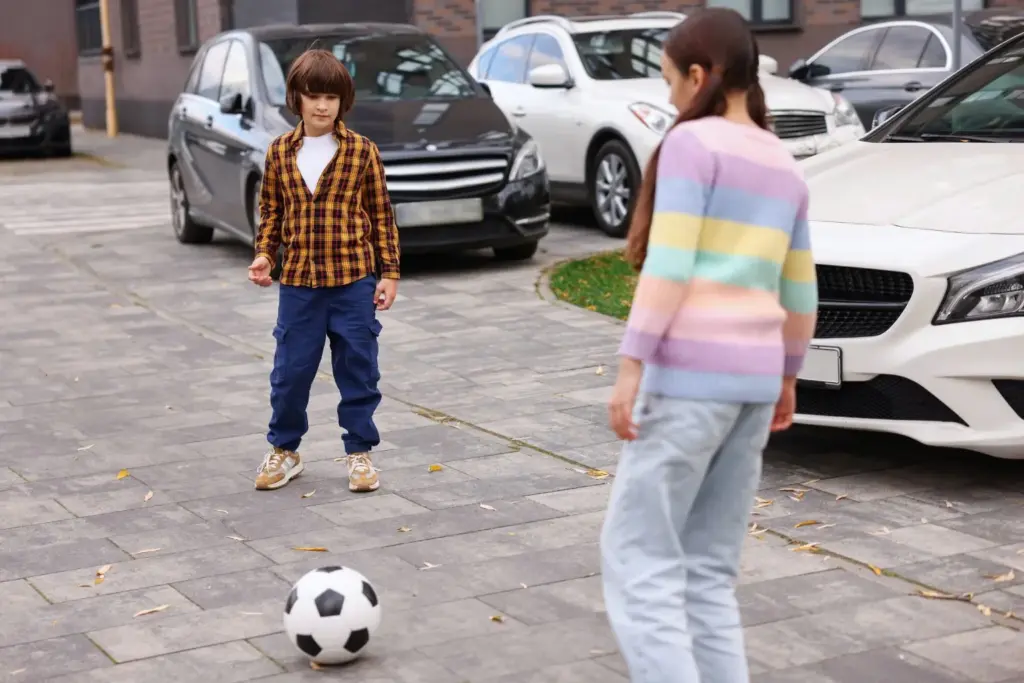
COVID-19 restrictions: A new study has found a consistent drop in motor competence, the ability to move with coordination and control, among children and teenagers after COVID-19 restrictions, including lockdowns, school closures and reduced opportunities for physical activity.
The analysis reviews research that directly measured movement skills before and after pandemic restrictions, focusing on changes in abilities such as balancing, running, hopping, jumping and skipping. Across the eligible evidence, most studies reported that children’s movement skills worsened following the pandemic period.
Also Read | AIIMS study finds no link between COVID vaccination and sudden deaths in young adults
Researchers reviewed studies involving more than 278,000 children and young people aged three to 19, drawing on data published from 2015 onwards. Ten of the 11 studies that met the inclusion criteria reported a decline in motor competence after the pandemic. One study also reported a sharp rise in the prevalence of motor problems.
Alongside reduced locomotor skills, the review also points to declines in object-control skills, such as throwing and catching, suggesting that both whole-body movement and hand–eye coordination may have been affected.
Overall, the findings indicate small to moderate reductions in motor competence among children aged three to 12, based on studies from Europe, Asia and South America. The biggest declines were seen in overall movement ability and among children from lower socio-economic backgrounds.
Motor competence refers to how well a person can perform a wide range of movement skills, including the quality of movement, coordination and control. It is closely linked to brain development and is considered important for health outcomes, including physical fitness and body fat levels. It also plays a key role in whether children can comfortably take part in sport and regular physical activity.
The researchers note that movement skills were already showing signs of gradual decline in children even before the pandemic, but the evidence suggests this downward trend became more pronounced after COVID-related restrictions. They also point to other shifts during the same period, including increased screen time, rising body fatness and lower physical activity and fitness, as likely contributors to the overall decline.
The review also highlights early signs that recovery may be possible. In one study tracking five-year-olds in Uruguay, locomotor skills were reported to have returned to pre-pandemic levels by 2022.