
Cholesterol drug: The US Food and Drug Administration has approved Lipfendra, a once-daily pill designed to significantly reduce harmful LDL cholesterol in adults who need additional treatment.
Developed by Merck, Lipfendra, also known as enlicitide, is the first oral medicine approved to block PCSK9, a liver protein that affects the body’s ability to remove LDL, commonly called “bad” cholesterol, from the bloodstream. Until now, medicines targeting PCSK9 were available only as injections.
The drug has been approved for adults with high cholesterol, including people with heterozygous familial hypercholesterolemia, an inherited condition that can cause unusually high LDL levels. It is intended to be used alongside diet, exercise and existing cholesterol treatments, including the highest statin dose a patient can tolerate.
Also Read | Studies suggest single gene-editing infusion may sharply cut LDL cholesterol
Statins remain the most commonly prescribed medicines for lowering cholesterol and reducing cardiovascular risk. However, they are not always enough to bring LDL levels within the recommended range, particularly among people who already have heart disease or face a high risk of developing it.
The approval was supported by two clinical trials involving 3,207 adults who were already receiving statin treatment. In the first study, which included people with cardiovascular disease or a high risk of developing it, patients taking Lipfendra recorded an average LDL reduction of 56% after 24 weeks compared with placebo.
A second trial involving patients with inherited high cholesterol reported an average reduction of 59% over the same period.
Safety results were broadly comparable between patients receiving Lipfendra and those taking a placebo. Diarrhoea and dizziness were reported more frequently in the second study, although treatment discontinuation rates linked to side effects were similar between the groups.
The arrival of an oral PCSK9 treatment could offer a more convenient option for patients who require powerful cholesterol reduction but are hesitant or unable to use injectable medicines. However, the drug must be taken once daily, and patients should follow the prescribing instructions given by their healthcare provider.
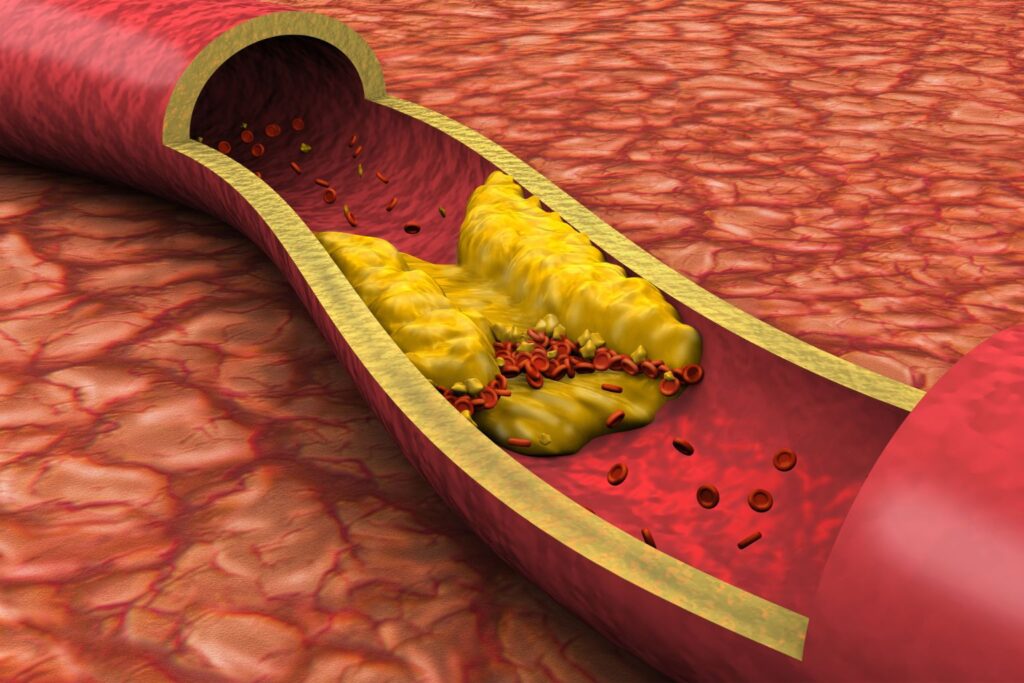
High LDL cholesterol contributes to plaque formation inside the arteries. Over time, this narrowing can restrict blood flow and increase the risk of heart attack and stroke. The condition often causes no noticeable symptoms and is usually identified through a blood test.
The FDA granted Lipfendra Priority Review, a process used for medicines considered capable of offering meaningful improvements in treatment. Merck announced the approval on July 16, 2026.