
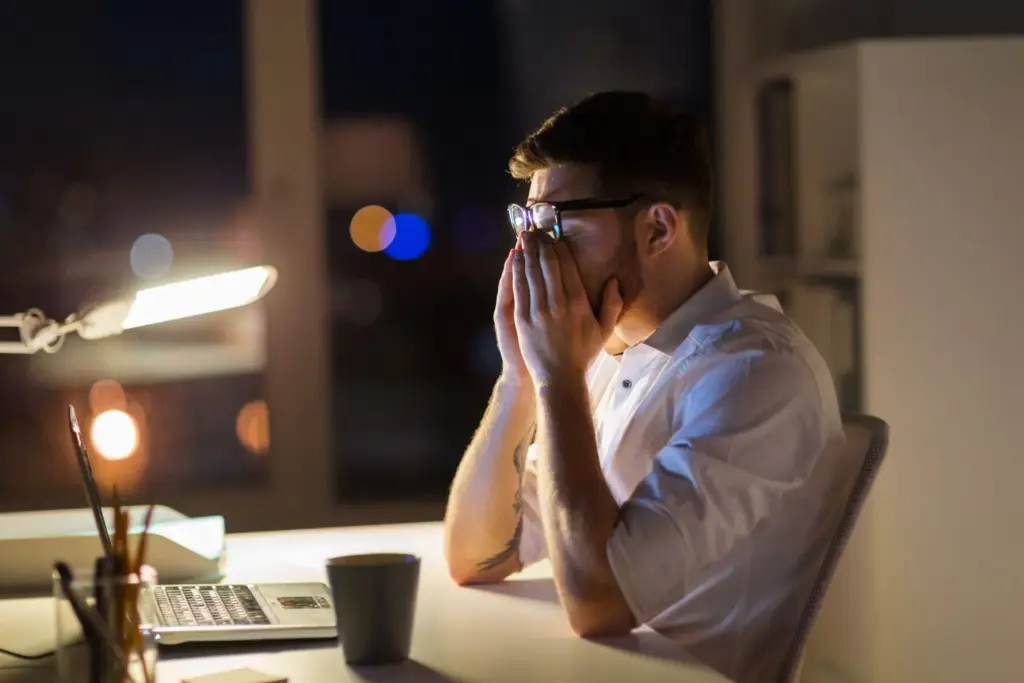
Workplace productivity: Sleep patterns collected from smartphones reveal that workers experiencing “social jetlag” and those prone to insomnia suffer the greatest drops in workplace productivity, according to a study of nearly 80,000 Japanese employees.
Social jetlag occurs when a person’s natural sleep-wake rhythm conflicts with their work and social obligations.
Also Read | How to stop feeling sleepy all day, without more coffee
Scientists at the University of Tsukuba analysed sleep metrics, including total hours slept, how long it took participants to fall asleep, and periods of wakefulness during the night. They compared these measurements against productivity loss reported by workers through surveys.
The research, published in npj Digital Medicine, found a U-shaped relationship between sleep duration and job performance. Workers sleeping either too little or too much showed decreased productivity compared to those with moderate sleep duration.
Researchers categorised participants into five distinct sleep types: healthy sleepers, long sleepers, fragmented sleepers, poor sleepers and social jetlaggers.
Poor sleepers and social jetlaggers recorded the worst outcomes for insomnia symptoms, daytime drowsiness and presenteeism, a term describing reduced productivity while at work.
Workers who took longer to fall asleep, woke up repeatedly during the night, or experienced greater misalignment between their biological clock and daily schedule demonstrated lower job performance.
The results underscore that workplace functioning depends not only on how long people sleep but also on sleep quality, timing and consistency, researchers said.
Smartphone-based sleep monitoring could provide a practical way to identify workers at risk for productivity problems and help develop tailored intervention strategies, the team noted.