
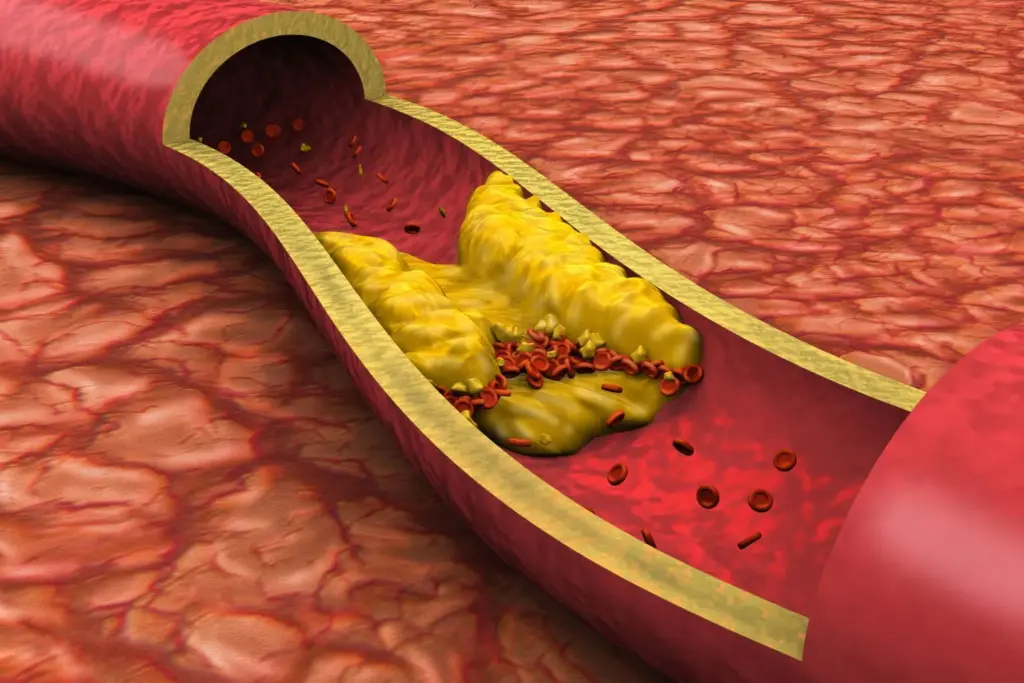
LDL cholesterol: Scientists are testing a new way to tackle high cholesterol that could one day replace daily pills with a single gene-editing treatment.
Two early-stage research programs are using CRISPR-based editing to switch off genes in the liver that influence levels of LDL (“bad”) cholesterol and triglycerides, fatty particles that contribute to plaque buildup in arteries and raise the risk of heart attack and stroke. Supporters say the appeal is straightforward: if the edit is durable, it could provide long-term cholesterol control after a one-time infusion.
Also Read | New cholesterol pill cuts LDL up to 60% in high-risk patients on statins
One approach targets a gene called ANGPTL3. In a small phase 1 trial involving 15 adults, participants received a single infusion of lipid nanoparticles carrying CRISPR tools designed to edit liver cells. Two weeks after treatment, those given the highest dose saw LDL and triglycerides fall by roughly half on average, with the reductions persisting through at least the early follow-up period reported.
A separate development track, led by Verve Therapeutics, aims at PCSK9, another liver-linked gene with a well-established role in cholesterol regulation. In early data from its ongoing program, the company has reported dose-dependent LDL reductions, with the highest-dose cohort showing a drop in the range of about half in small numbers of participants.
The science builds on human genetics: rare “loss-of-function” variants in ANGPTL3 or PCSK9 are associated with very low LDL over a lifetime and lower rates of cardiovascular disease, suggesting that turning down these pathways can be beneficial.
Researchers and outside experts caution that the trials are small and designed mainly to assess safety and early signals of efficacy. Gene edits are intended to be permanent, meaning long-term follow-up is critical to understand durability and potential risks, such as unintended edits or liver-related inflammation from delivery particles. For now, studies are focusing on people at high cardiovascular risk whose cholesterol remains difficult to control.
Even if gene editing eventually proves effective, cardiology groups continue to emphasise established steps to reduce heart risk, including diet quality, physical activity, sleep, weight management, avoiding tobacco, and controlling blood pressure, blood sugar, and cholesterol.