
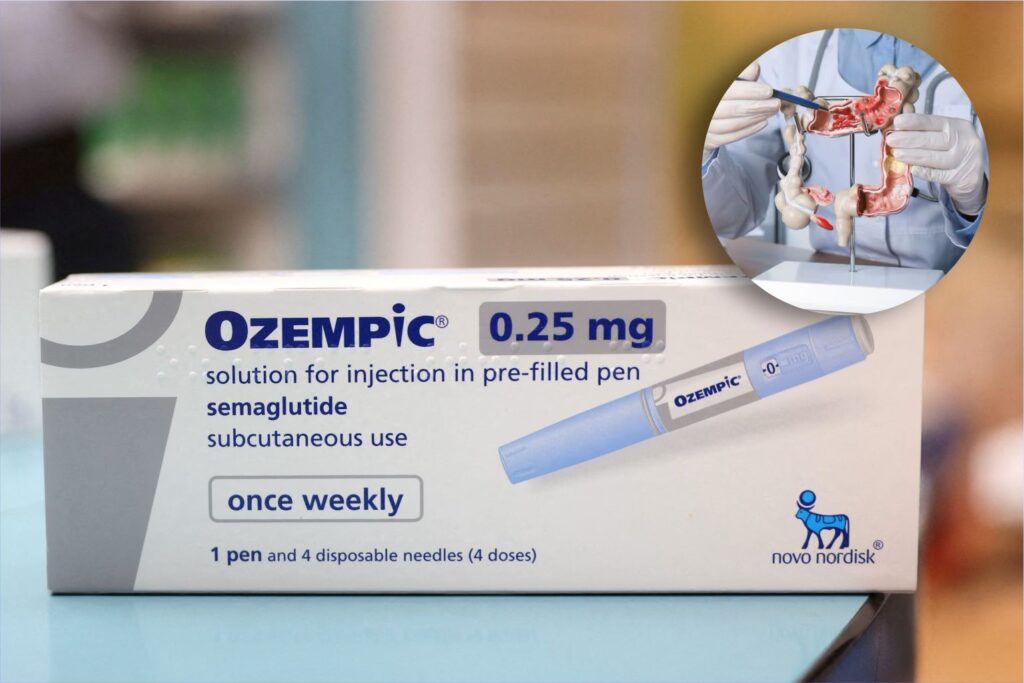
A new study suggests that GLP-1 drugs like Ozempic, commonly prescribed for type 2 diabetes, may slightly lower the risk of obesity-related cancers—particularly colorectal cancer.
GLP-1 receptor agonists are injectable drugs used to manage diabetes and, in some cases, obesity. They cut cravings by mimicking gut-brain hormones to reduce food intake and regulate appetite.
In a study of more than 85,000 people treated from 2013 to 2023, those taking GLP-1 medications had fewer obesity-related cancers (2,501 cases) than those using DPP-4 inhibitors (2,671 cases).
Also Read | Blood, urine markers can reveal ultraprocessed food intake, shows study
The study showed that those taking GLP-1 drugs had a 7% lower risk of developing obesity-related cancer and an 8% lower risk of death from any cause compared to those who took other types of diabetic drugs. The effect was only statistically significant in women, researchers said.
The GLP-1 drugs were also linked to a reduction in the risk of 14 obesity-related cancers, especially colorectal, with 16% fewer colon and 28% fewer rectal cancer cases.
“These data are reassuring, but more studies are required to prove causation,” lead study author Lucas Mavromatis, a medical student at the NYU Grossman School of Medicine in New York, said in a statement. The findings were by the American Society of Clinical Oncology and will be discussed at its annual meeting in Chicago.