
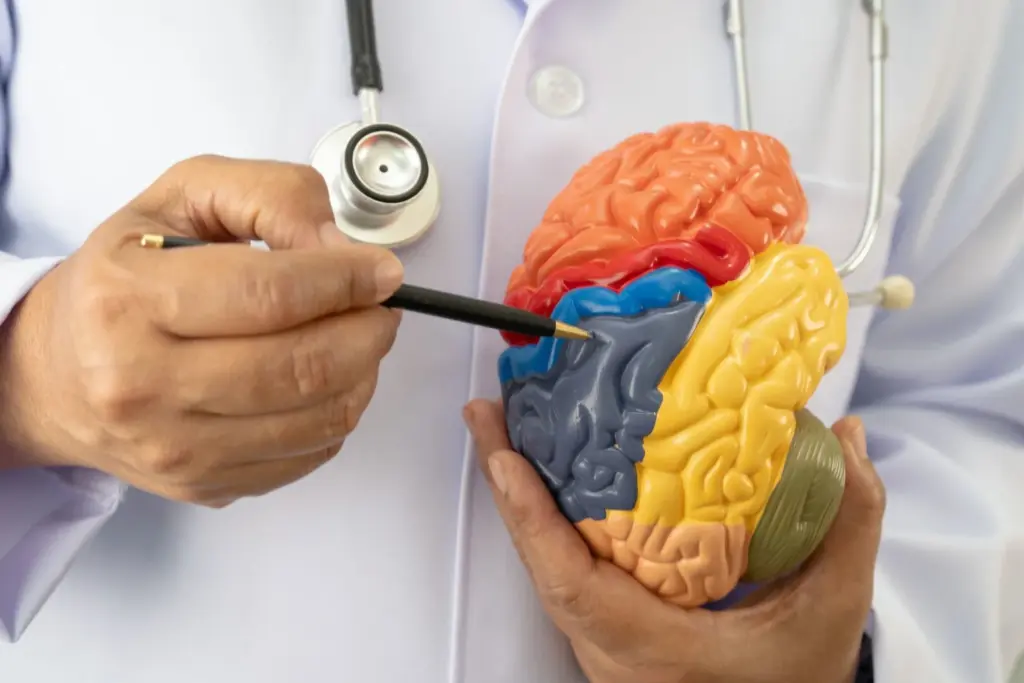
Brain tumour growth: Researchers have identified a new way glioblastoma, one of the most aggressive forms of brain cancer, may be protecting itself from the immune system. The study suggests that immune cells inside the tumour environment can be redirected to process fructose in a way that helps the cancer grow while dampening the body’s natural defence response.
The findings, published in the Proceedings of the National Academy of Sciences, point to a previously unrecognised role for sugar metabolism in glioblastoma. According to the researchers, this is the first time fructose breakdown has been linked so directly to immune suppression in this type of brain tumour.
Also Read | Decades-old blood pressure drug may stall aggressive brain tumours
The work focused on microglia, the immune cells that normally help support and protect the brain and central nervous system. In glioblastoma, however, these cells appear to be co-opted by the tumour. The researchers found that microglia carry a specific fructose transporter called GLUT5, which allows them to take in and metabolise fructose. Among the immune cells present around the tumour, microglia were the only ones shown to do this.
The team used a range of tools, including genetic sequencing and other analytical methods, to study microglia, macrophages and tumour cells. Their analysis showed that the fructose pathway in microglia plays a central role in shaping the tumour’s immune environment.
In mouse models, tumours failed to grow when the fructose transporter was removed. The absence of GLUT5 was also linked to a much stronger immune reaction. Researchers observed better recognition of tumour cells, increased production of inflammatory signalling molecules and rapid expansion of CD8-positive T-cells, which are among the immune system’s main cancer-fighting cells.
The study suggests that when fructose metabolism is blocked in microglia, the immune system becomes more active not only within those cells but across other parts of the tumour environment as well. Researchers say this points to a broader immune interaction, rather than a single isolated mechanism.
Glioblastoma is known to be highly resistant to treatment, in part because of the complex mix of cells surrounding the tumour. The researchers believe that targeting fructose metabolism in microglia could offer a new therapeutic direction and may eventually help improve responses to immunotherapy.
Senior author Jason Miska of Northwestern University said the team did not expect the fructose transporter to play such an important role in brain tumour growth. First author Leah Billingham said the findings highlight how different immune cells inside the tumour environment appear to work together in ways that influence whether the tumour is rejected or allowed to progress.