
Flavanols’ advantages: Prolonged sitting can temporarily impair blood vessel function, even in fit young adults. Still, a flavanol-rich drink may blunt the damage, according to a University of Birmingham trial published in the Journal of Physiology.
In the study, 40 healthy men (20 with higher fitness and 20 with lower fitness) sat for two hours after consuming either a high-flavanol cocoa beverage (about 695 mg total flavanols) or a low-flavanol cocoa drink (about 5.6 mg). Researchers measured flow-mediated dilatation (FMD) in arm and leg arteries, along with blood pressure, shear rate, blood flow and muscle oxygenation, before and after the sitting period.
Also Read | Stiff at your desk? Try these chair exercises for instant relief
Men who drank the low-flavanol cocoa showed declines in FMD in both arm and leg arteries, higher diastolic blood pressure, reduced shear rate and blood flow, and lower muscle oxygenation, classic signals that uninterrupted sitting stresses the vascular system. By contrast, those who consumed the high-flavanol cocoa did not experience FMD declines, regardless of their fitness level, indicating that flavanols helped preserve arterial function during the two-hour sit. The authors note that even a 1% drop in FMD has been linked in prior research to a roughly 13% increase in cardiovascular risk, underscoring why these short-term changes may matter over time.
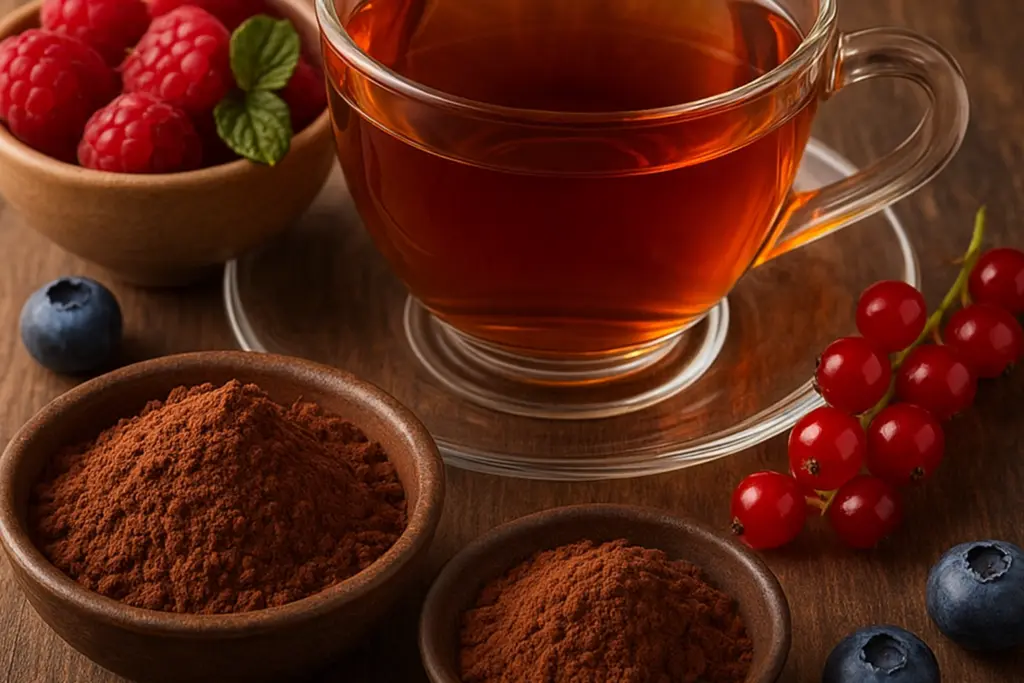
Flavanols are polyphenols naturally present in tea, cocoa, berries, apples, plums and some nuts, and have been associated with cardiovascular benefits in other contexts, such as periods of mental stress. This experiment is the first to show protection against sitting-induced vascular dysfunction in young healthy men and the first to suggest that baseline cardiorespiratory fitness does not alter the vascular effects of flavanol intake.
The trial did not include women because estrogen fluctuations across the menstrual cycle could influence vascular responses; the researchers say dedicated studies in women are needed.