
US food pyramid: The Trump administration released the 2025–2030 US Dietary Guidelines for Americans, calling on the public to eat more whole foods and protein while cutting back on highly processed foods and added sugars.
Health and Human Services Secretary Robert F. Kennedy Jr. and Agriculture Secretary Brooke Rollins unveiled the updated federal guidance at the White House, with Kennedy urging Americans to “eat real food” as part of his Make America Healthy Again agenda.
The new guidelines, which are updated every five years, shape federal nutrition policy and serve as the backbone for major programs such as school meals. Officials said the 2025–2030 edition is shorter than previous versions and designed to be simpler for consumers to follow.
Also Read | 10 high-protein fruits to help you reach your daily intake
Beyond reiterating familiar advice to eat more fruits, vegetables, and whole foods, the document takes a stronger stance against “highly processed” foods and refined carbohydrates, warning against salty or sweet packaged items such as chips, cookies, and candy.
On saturated fats, the guidance maintains the long-standing recommendation to keep saturated fat to no more than 10% of daily calories, while encouraging people to choose whole-food sources. It also notes that other options can include butter or beef tallow, a shift from earlier guidance that generally advised avoiding those fats.
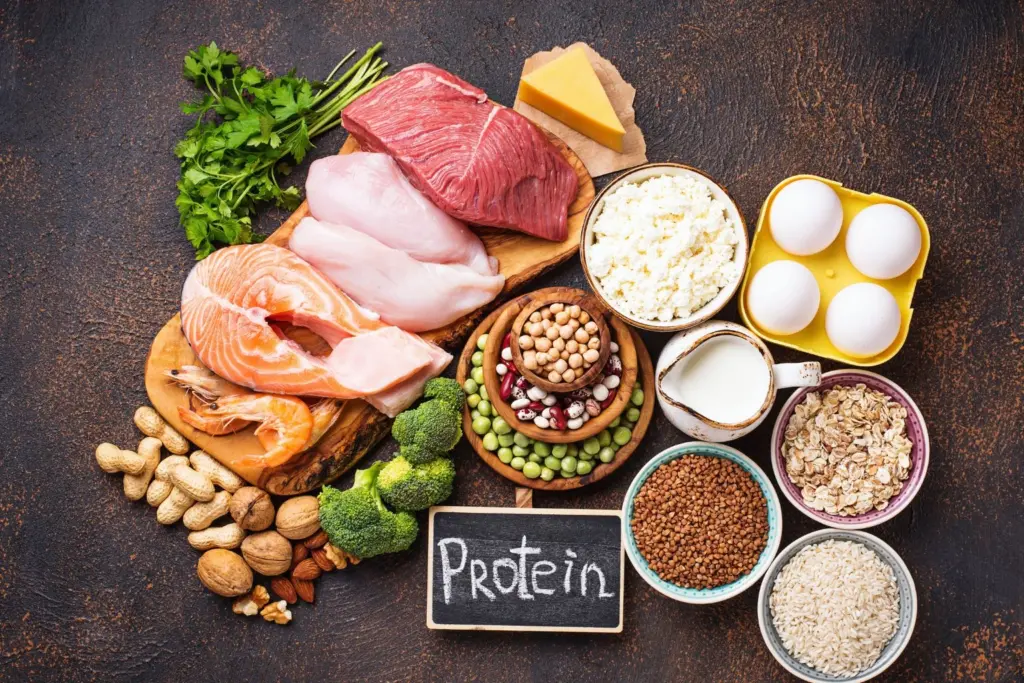
The guidelines also raise recommended protein intake compared with prior federal advice. The new range calls for 1.2 to 1.6 grams of protein per kilogram of body weight, replacing the older benchmark that was widely viewed as a minimum needed to prevent deficiency.
For sugar, the document advises sharply limiting added sugars and says no single meal should include more than 10 grams of added sugar.
The updated guidelines also roll back previous daily drink-count limits for alcohol, instead advising Americans to consume less alcohol for better health. The guidance adds that alcohol should be avoided by pregnant women, people recovering from alcohol use disorder, and those unable to control the amount they drink.
The release is expected to influence nutrition standards across federal programs, though translating the recommendations into requirements, particularly for school meals, can take years.