
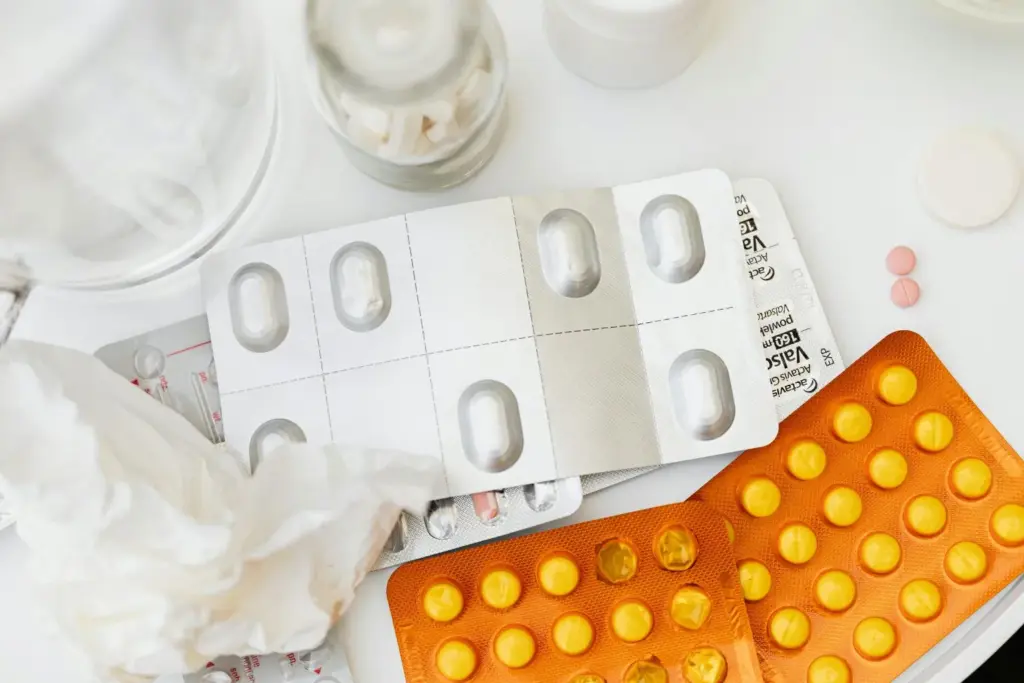
US prescription prices: US President Donald Trump said that nine major drugmakers have agreed to cut the prices of some prescription medicines in the United States, including by lowering what Medicaid pays to levels closer to those charged in other wealthy countries.
The companies: Amgen, Bristol Myers Squibb, Boehringer Ingelheim, Genentech, Gilead Sciences, GSK, Merck, Novartis and Sanofi, will move Medicaid pricing toward a “most-favoured-nation” approach, which ties US costs to prices in other developed markets, according to administration officials.
Under the agreements, newly launched drugs from those manufacturers would also be introduced nationwide at most-favoured-nation pricing across all major channels, including commercial insurance, cash-pay customers and government programs such as Medicare and Medicaid.
Also Read | Tapering antidepressants slowly may prevent relapse in 1 in 5 patients, study finds
Drug costs in the US vary widely based on competition, insurance coverage and negotiated rebates. While most Americans are shielded from the full list price through employer coverage, private plans or government programs, the administration said the changes could offer the biggest relief to people without insurance and to state budgets that help fund Medicaid.
Medicaid patients typically pay only small co-payments at the pharmacy, but officials said lower underlying prices would reduce the program’s overall spending. Even so, analysts warned that large discounts may not always translate into affordable monthly bills for people paying out of pocket.
William Padula, a professor of pharmaceutical and health economics at the University of Southern California, said Medicaid already receives some of the lowest drug prices in the system, meaning the true impact of the new pricing structure could be limited and may take time to measure.
“It can’t be bad,” Padula said, adding that the potential upside remains uncertain until it becomes clear whether more patients can access the medicines they need.
The White House also said the participating companies will sell “pharmacy-ready” medicines through a new direct-purchase platform, TrumpRx, expected to launch in January, allowing consumers to buy certain drugs straight from manufacturers.
Several companies also agreed to donate supplies of key active pharmaceutical ingredients to a national reserve, with plans to convert them into emergency medicines such as antibiotics, rescue inhalers and blood thinners if needed.
Bristol Myers Squibb separately said it will provide its blockbuster blood thinner Eliquis at no cost to the Medicaid program. Padula called the donation a meaningful step toward health equity, noting that Eliquis has been among the most profitable drugs ever sold.
Other major manufacturers, including Pfizer, AstraZeneca, EMD Serono, Novo Nordisk and Eli Lilly, reached similar agreements with the administration earlier this year. Officials said the latest deals raise the total number of participating companies to 14, after Trump publicly pressed the industry to bring US brand-name drug prices closer to international norms.
Trump said he used the threat of tariffs, including a 10% tariff warning, to push companies into negotiations.