
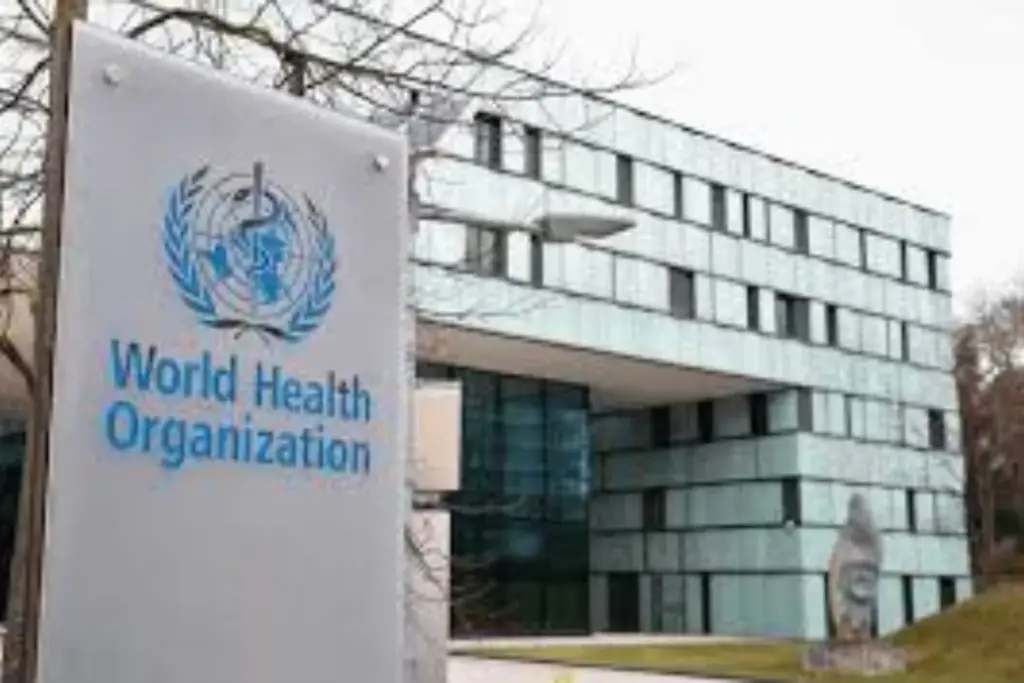
US and WHO: The United States formally exited the World Health Organization, following a year-long notice period that began when President Donald Trump signed an executive order on his first day in office in 2025. The administration said the withdrawal reflects what it called the U.N. health agency’s failures in handling the COVID-19 pandemic.
In a joint statement, the US Departments of Health and Human Services and State said Washington would maintain only limited engagement with the WHO to complete the withdrawal process. A senior US health official said the administration does not plan to rejoin the agency or participate as an observer. Instead, the United States intends to pursue disease surveillance and other public-health priorities through direct cooperation with other countries rather than through an international organization.
Also Read | WHO warns of ‘global health financing emergency’ as aid plunges and debts surge
The decision has also revived a dispute over money the United States is said to owe the WHO. Under U.S. law, withdrawal requires one year’s notice and payment of outstanding obligations, estimated at $260 million. A State Department official contested the interpretation that payment is a precondition for departure, and a department spokesperson said the United States has “paid more than enough.” Health officials said the government has ended its funding contributions and halted future transfers of U.S. resources to the agency.
Witnesses in Geneva said the US flag was removed from outside the WHO’s headquarters on Thursday.
The move comes as the United States has taken steps in recent weeks to exit other United Nations bodies, prompting concerns among observers about broader pressure on the multilateral system. Some WHO critics have suggested creating a new organization to replace the agency, though a proposal reviewed last year instead recommended that the United States pursue reforms and expand its leadership role within the WHO.
WHO officials have urged the U.S. to reconsider. The agency said the United States has not yet paid outstanding fees for 2024 and 2025, and member states are expected to discuss the withdrawal and next steps at the WHO executive board meeting in February.
The U.S. departure has intensified financial strain at the WHO. The agency has cut senior management positions, scaled back work across departments, and reduced budgets, according to the report. The United States has historically been the WHO’s largest single funder, contributing about 18% of its overall financing. The WHO is also expected to reduce staffing levels significantly by mid-year.
While the WHO said it continued sharing information with the United States during the past year, it remains unclear how cooperation will function after the withdrawal. Public health experts warned that reduced coordination could weaken global systems used to detect and respond to infectious disease threats, with potential consequences for both the U.S. and other countries.