
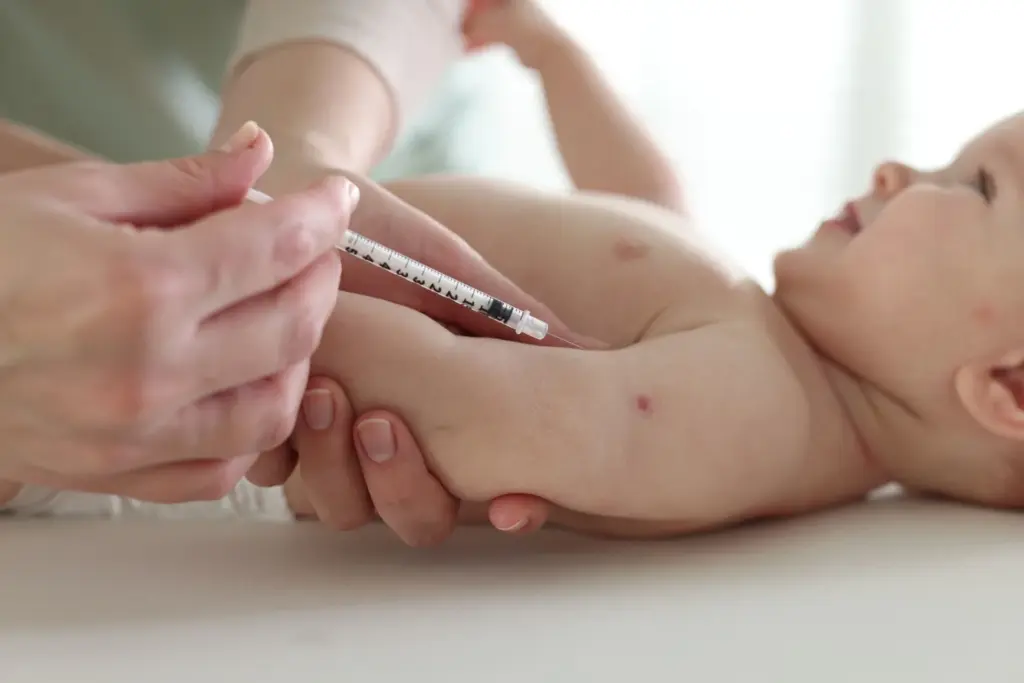
Malaria drug for newborns: The World Health Organization has approved the first malaria medicine made specifically for newborns and very young babies, filling a major gap in treatment for infants at the highest risk.
The drug, artemether-lumefantrine, has been cleared for babies weighing two to five kilograms. Until now, doctors often had to use malaria medicines meant for older children and adjust the dose for smaller infants, which raised the risk of wrong dosing and side effects.
Also Read | India to be ‘almost free’ of malaria soon, says Amit Shah at IMA conference
WHO’s prequalification means the medicine meets global standards for quality, safety and effectiveness. It also allows health programmes to procure it more easily.
The decision is expected to help babies born in malaria-endemic parts of Africa, where millions of newborns remain exposed to the disease every year.
WHO has also cleared three new rapid malaria tests. These tests are meant for areas where older tests are failing because some malaria parasites no longer carry the protein those tests detect. The newer tests look for a different marker, making diagnosis more reliable in such regions.
Malaria continues to be a serious global health threat. In 2024, the disease caused an estimated 282 million cases and 610,000 deaths worldwide.
Health experts say better medicines for infants, improved testing, vaccines and next-generation mosquito nets could help countries protect more children, but progress will depend on steady funding and strong public health action.