
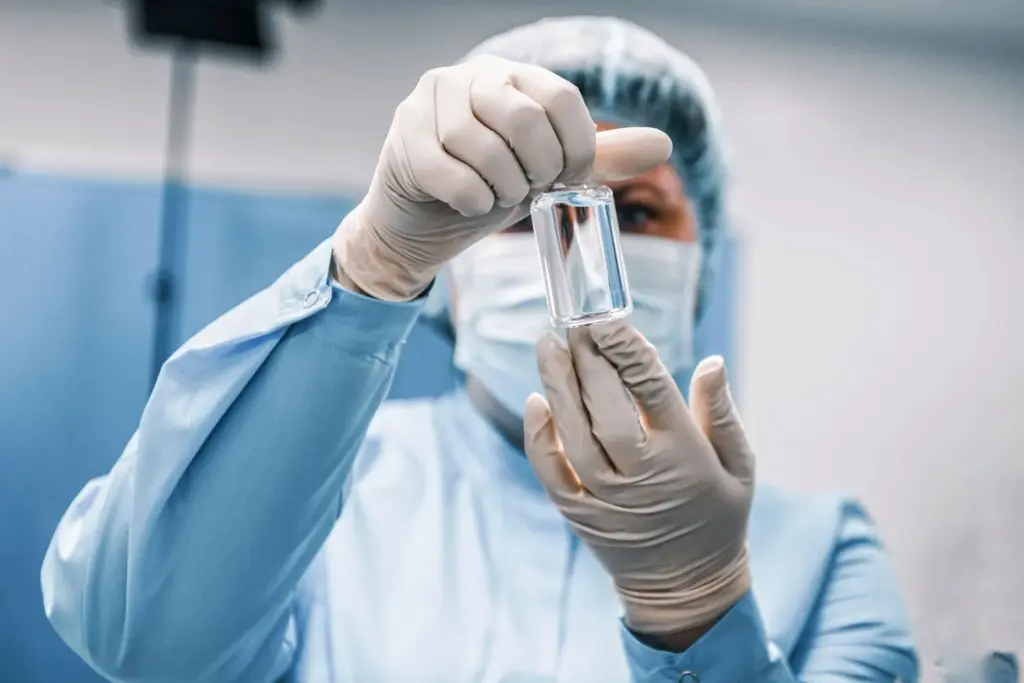
Nipah virus vaccine: Researchers in the United States have completed an early-stage trial of a vaccine against the Nipah virus, a deadly pathogen that kills up to 82 per cent of infected people.
The phase 1 trial tested three different doses and schedules of the experimental vaccine, called HeV-sG-V, in 192 healthy adults between the ages of 18 and 49. Results published in The Lancet showed the vaccine was safe and triggered an immune response in participants.
Also Read | India develops portable test kit for detecting Nipah virus
A team from Cincinnati Children’s Hospital Medical Center led the study. They found that while a single dose proved insufficient, two doses generated a strong immune response. The best results came from participants who received two 100-microgram doses spaced 28 days apart.
Antibody levels jumped sharply seven days after the second dose. The researchers said antibodies appeared within one month of vaccination, and two doses provided lasting protection. This suggests the vaccine could work both for controlling outbreaks as they happen and for preventive use.
The most common side effect was mild to moderate pain at the injection site. No serious adverse events, hospitalisations or deaths occurred during the trial.
Nipah virus was first identified in Malaysia in 1999. Since then, it has caused annual outbreaks across south and southeast Asia, particularly in India. Between 40 and 75 per cent of infected people die from the disease.
The World Health Organization lists Nipah as a high-priority pathogen because of its extreme lethality and the absence of approved treatments or vaccines.
The virus causes acute brain inflammation, severe respiratory disease, and often death. It spreads to humans from animals, making it a zoonotic disease.
Scientists from the Indian Council of Medical Research-National Institute of Virology in Uttar Pradesh called the findings a “milestone” in Nipah vaccine development in an editorial accompanying the study.
The ICMR-NIV experts said the vaccine should now move to a larger phase 2 trial. Such a trial would provide more information about safety and give clearer evidence of how much protection the vaccine offers against infection.
No vaccines or treatments for Nipah virus have received regulatory approval to date, making this trial an important step toward addressing a major public health threat in affected regions.