
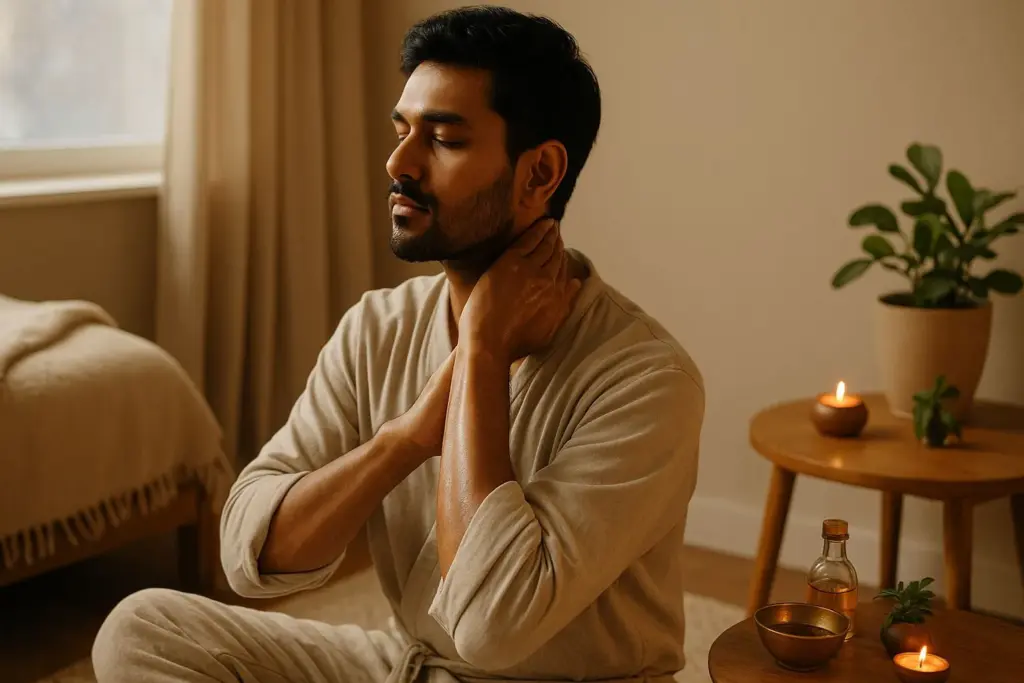
Abhyanga oil massage: There’s a special kind of charm to winter: soft blankets, hot chai, slower mornings and quiet evenings. But along with that comfort often comes dry, itchy skin, stiff joints and a constant dip in energy.
In the middle of all this, one old Indian practice can add warmth, grounding and vitality back into your day: Abhyanga, the ritual of self-oil massage. Once woven into everyday life in Ayurveda, it has slipped out of most modern routines, even though it’s one of the easiest and most nurturing winter habits you can build for both body and mind.
Also Read | Can chiropractors effectively treat sciatica pain?
What is Abhyanga?
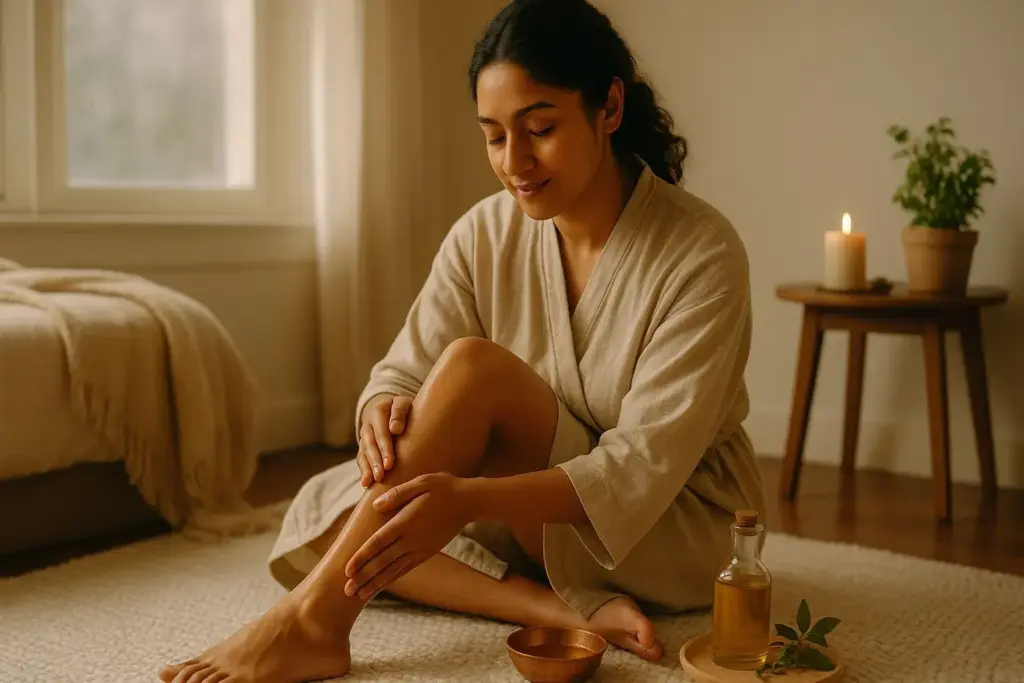
Abhyanga is simply the practice of massaging your body with oil. In Ayurveda, it’s seen as much more than skincare; it’s an act of self-care and gentle healing. Warm oil is applied from head to toe with slow, mindful strokes, usually moving in the same direction as your blood flow. This ritual is said to help balance the doshas, especially Vata, which tends to be high in winter and is linked with cold, dryness and a restless, anxious feeling.
Why Abhyanga works so well in winter?
As the temperature drops, the body quietly starts to protest. Skin feels dry and rough, joints feel stiff in the morning, energy dips, and many people notice feeling a little low, restless or anxious without knowing why.
Abhyanga meets all of this in a very simple way: with warmth and touch. When you massage your body with warm oil, you’re not just moisturising the surface. The oil seeps into the skin, cushions the muscles and joints, and soothes the nerves. After 10–15 minutes, there’s often a clear shift; you feel warmer, looser and more grounded, as if your whole body has let out a long sigh of relief.
Key benefits of Abhyanga in winter:
- Deep hydration for dry skin: Cold air and indoor heaters pull moisture from your skin. Oil massage helps lock it back in, leaving the skin soft, supple, and naturally glowing, without relying only on lotions and creams.
- Calms the nervous system: The slow, rhythmic strokes of Abhyanga activate the body’s “rest and relax” mode. Many people feel calm, their breathing slows down, and anxiety eases within minutes.
- Better, deeper sleep: A warm oil massage in the evening, especially on the feet, legs and scalp, can help the body unwind after a long day. It signals to the brain that it’s safe to switch off, making it easier to fall asleep and wake up feeling more rested.
Choose the correct oil:
| Oil type | Best for | Qualities |
| Sesame oil | All body types, especially Vata | Warming, nourishing |
| Mustard oil | Cold weather, stiff joints | Deeply warming and stimulating |
| Coconut oil | Hot climate, sensitive skin | Cooling and light |
| Almond oil | Dry, flaky skin | Moisturising and gentle |
| Herbal oil | Joint or nerve pain | Medicinal and strengthening |
How often should you practice Abhyanga?
In classical Ayurveda, Abhyanga is recommended every day, especially in the colder months. But in real life, that doesn’t work for everyone. A practical goal is:
- Ideal: Daily, even if it’s a short 10-minute routine
- Realistic: 2–3 times a week during winter is enough to feel a difference
- Even a quick oil massage before a bath can be surprisingly effective if you do it consistently.
Who should be careful or avoid Abhyanga?
Abhyanga is gentle, but there are times when it’s better to skip or modify it:
- If you have a fever, cold, flu or active infection, wait until you feel better
- If you have skin infections, rashes or open wounds, avoid those areas or postpone the massage
- If you’re pregnant, only do Abhyanga after checking with your doctor
- Don’t do it right after a heavy meal
What changes when you make Abhyanga a habit?
Done regularly over a few weeks, many people notice:
- Softer, healthier-looking skin instead of dull, flaky winter skin
- Less stiffness in the neck, back and joints, especially in the morning
- Better sleep quality, with fewer restless nights
- A drop in anxiety, irritability or that “on edge” feeling
- A gentle, steady sense of warmth and comfort in the body
Also Read | Can essential oils help with anxiety and sleep?
Abhyanga isn’t just about glowing skin; it’s a quiet ritual of reconnecting with yourself. For those 10–15 minutes, you’re not just applying oil; you’re giving your body attention, kindness and time in a world that constantly rushes you.