

Diabetic foot care in winter: Winter is when we reach for warm socks, cosy blankets and hot drinks. But if you live with diabetes, cold weather can bring a quieter problem: foot trouble. Low temperatures can dry the skin, slow circulation and make small cracks or cuts more likely, and if you have reduced sensation in your feet, you may not notice an issue until it’s already worsening. The good news is that a few simple habits can protect your feet all winter.
Why winter foot care matters more with diabetes
When it’s cold, blood vessels in the legs and feet naturally narrow to conserve heat. In diabetes, circulation may already be reduced, and nerve sensitivity can be lower. Together, this can mean:
- feet that feel colder or numb
- dry skin that cracks more easily
- slower healing if you get a cut, blister or shoe-rub
- higher risk of infection from even minor wounds
Also Read | Can people with diabetes have sugarcane juice?
Daily foot checks: your best defence
A small wound can worsen quickly if it goes unnoticed, so a daily check is one of the most protective habits you can build.
Look for:
- redness, swelling, or warmth
- cuts, cracks, blisters or peeling skin
- colour changes (pale, blue-ish or dark patches)
- ingrown nails or nail damage
- signs of infection (oozing, bad smell, increasing tenderness)
Tip: If you struggle to see the soles of your feet, use a mirror or ask someone at home to help.
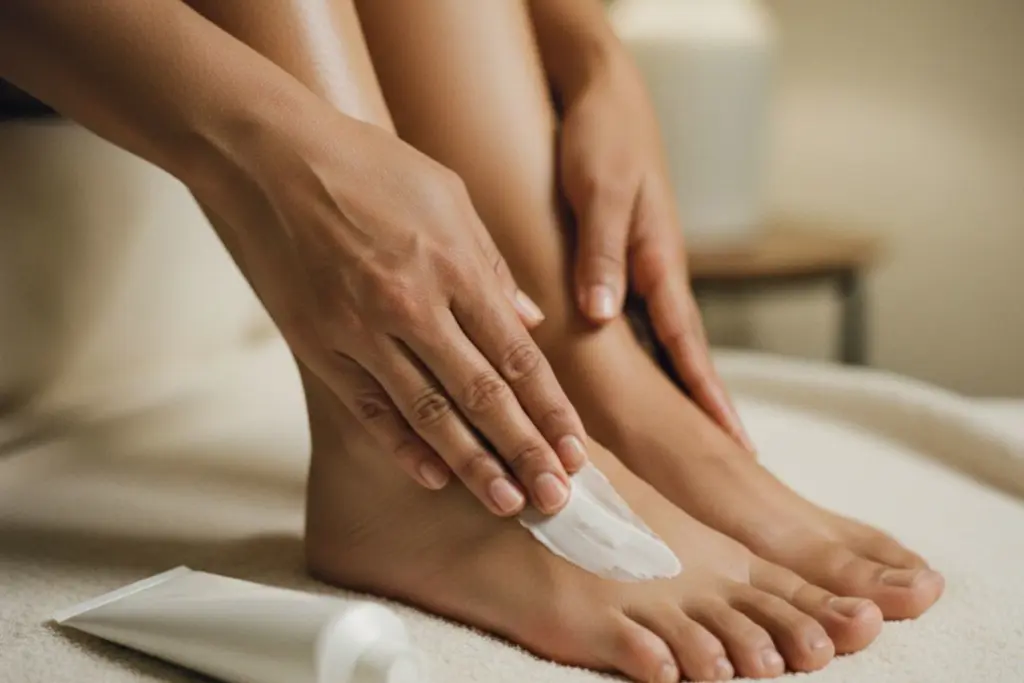
Moisturise, but do it the right way
Cold air and indoor heating can dry skin fast, especially around the heels. Moisturising helps prevent cracking, and cracking is often where infections begin.
- Apply moisturiser after washing, when skin is fully dry
- Focus on heels and dry areas
- Avoid moisturiser between the toes (extra moisture there can encourage fungal infections)
If your heels are consistently cracking, speak to your doctor or podiatrist; you may need a stronger foot cream
Socks: small choice, big impact
Socks are more than comfort in winter; they’re protection against cold, friction and skin breakdown. The wrong pair can restrict circulation or trap sweat.
Choose socks that are:
- soft and seamless (less rubbing)
- not tight at the ankle (no harsh elastic marks)
- warm but breathable (cotton/wool blends often work well)
- moisture-wicking if your feet sweat
- lightly padded if shoes tend to rub
Winter footwear: warm, roomy, and safe
In cold months, people often wear thicker socks or snug shoes for warmth. But tight footwear can reduce blood flow and increase friction, a risky combination.
- Pick shoes with a soft inner lining and enough toe space
- Avoid tight boots that compress the forefoot
- Check inside shoes before wearing (pebbles, rough seams, sharp edges)
- Don’t “break in” painful shoes; comfort should be immediate
Wash smart: warm doesn’t mean hot
When your feet feel icy, hot water seems tempting, but if sensation is reduced, burns can happen without you realising.
Safer washing habits:
- use lukewarm water, not hot
- test the temperature with your elbow (or a thermometer)
- wash gently with mild soap
- dry thoroughly, especially between toes
Keep feet warm without direct heat:
Poor circulation can make feet feel cold, but direct heat sources can be dangerous.
Avoid:
- hot water bottles directly on feet
- electric blankets on bare feet
- sitting too close to heaters
Do this instead:
- wear warm socks indoors
- keep the room comfortably warm
- move your feet regularly (gentle ankle rotations, short walks) to encourage circulation
When to see a doctor
Don’t wait if something looks or feels wrong. Get medical advice if you notice:
- a sore that isn’t healing
- persistent redness or swelling
- colour change or new numbness
- burning, tingling or increasing pain
- thickened nails, fungal infection or repeated cracking
Also Read | Can methi dana, karela juice and jamun seeds replace diabetes medicine?
Winter care doesn’t need to be complicated. A quick daily check, the right socks, consistent moisturising and safe warmth can prevent most problems before they start. Your feet carry you through every season. Give them a few minutes each day, and they’ll keep carrying you comfortably for years.
FAQs: Winter Foot Care for People with Diabetes
Why do diabetic feet get worse in winter?
Cold weather can narrow blood vessels and reduce blood flow. Diabetes may already affect circulation and nerve sensation, so skin dries faster, cracks more easily, and small wounds can take longer to heal.
How often should I check my feet in winter?
Ideally, every day. Winter dryness and tight footwear can cause cracks or blisters quickly, and reduced sensation can make problems easy to miss.
What are the early warning signs I shouldn’t ignore?
Redness, swelling, warmth, cracks, blisters, colour changes (pale/blue/dark patches), oozing, bad smell, or a sore that doesn’t start improving within a few days.
Is it safe to soak my feet in hot water to warm them up?
Usually not recommended. If you have reduced sensation, you may not feel burns. Use lukewarm water, keep it brief, and always test the temperature with your elbow or a thermometer.
What kind of socks are best for diabetics in winter?
Soft, seamless socks with no tight elastic, breathable, warm fabrics (cotton/wool blends), and moisture-wicking material if your feet sweat. Avoid socks that leave deep marks on the ankle.