
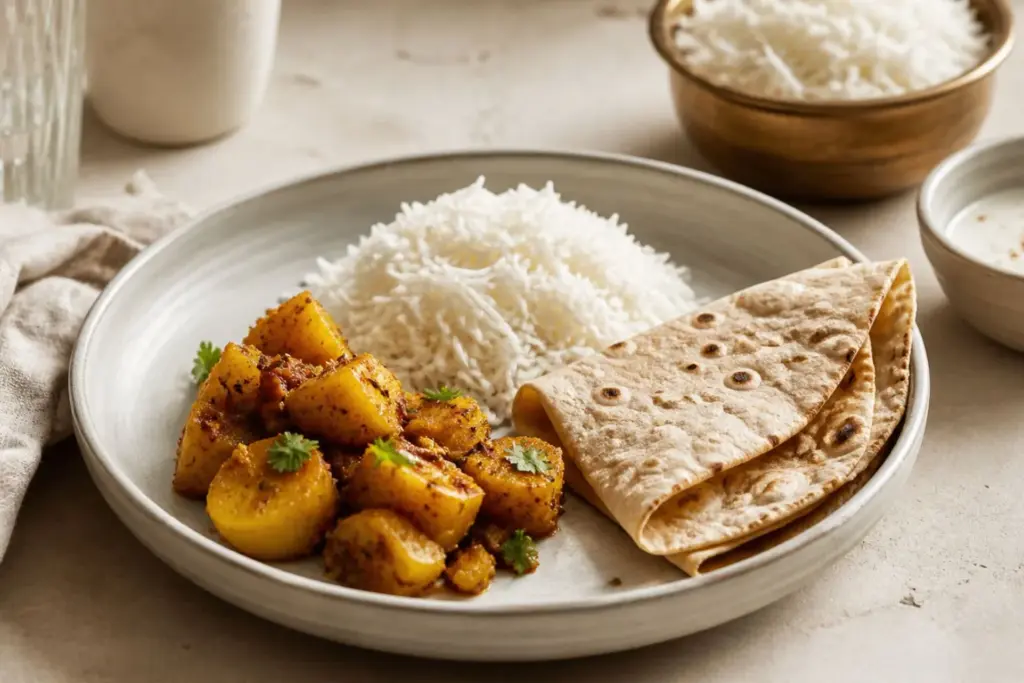
Indian diets and blood sugar: It’s a question that comes up often, especially at family dinners where someone is quietly skipping rice. Do Indian diets really spike blood sugar faster, or is that just another half-truth that stuck around too long?
The short answer is… sometimes. But it’s not as simple as blaming roti or rice and calling it a day.
Also Read | Can people with diabetes eat rice? 5 better options to choose
Why Indian Meals Get a Bad Rep:
A typical Indian meal is carb-heavy. Rice, chapati, dosa, idli. Add potatoes, lentils, and maybe a sweet at the end. On paper, that does look like a blood sugar rollercoaster. But here’s the thing. It’s not just what we eat. It’s how we eat it.
White rice eaten alone, hot and fresh, will raise blood sugar quickly. You can almost feel it. That sudden heaviness. The sleepy eyes twenty minutes later. That’s a fast glucose spike. The same rice eaten with dal, vegetables, ghee, and some protein slows things down.
The Glycemic Index Isn’t the Whole Story
People love throwing around the glycemic index. Yes, many Indian staples rank high. White rice. Poha. Refined wheat products. But GI is measured in isolation, under lab conditions, with a single food.
Real meals aren’t eaten that way.
Fat, fibre, and protein change how fast sugar enters the bloodstream. A plate of rajma chawal behaves very differently from a bowl of plain rice. Same carb. Different outcome.
Also worth noting. Cooking methods matter. Overcooked rice, mashed potatoes, and finely ground flours digest faster. Softer texture equals quicker absorption.
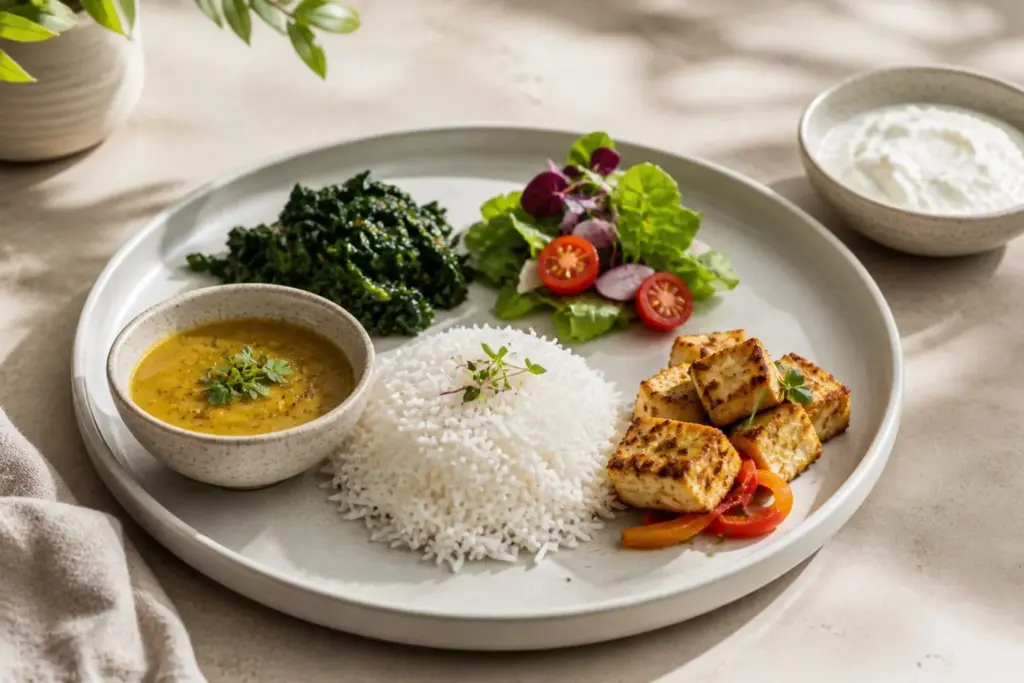
Portion Size and Frequency Play a Bigger Role:
Indian portions have quietly grown. Extra ladles of rice. Bigger rotis. Second helpings because food equals love. Add frequent snacking and sugary chai breaks, and blood sugar barely gets a chance to settle.
This is where problems creep in. Not because the food is Indian, but because it’s constant and carb-dominant.
Many traditional diets actually had balance built in. Seasonal vegetables. Fermented foods. Long gaps between meals. We’ve just drifted away from that rhythm.
So, Is the Indian Diet the Problem?
Honestly? No. A modern version of it can be. Indian food isn’t automatically blood sugar hostile. But meals that are mostly refined carbs, low on protein, rushed, and eaten late at night will spike anyone’s glucose. Indian or not.
Also Read | How Type 2 diabetes affects mental health, mood, and daily life
Small tweaks go a long way. More vegetables on the plate. Protein at every meal. Letting rice cool slightly before eating. Walking for ten minutes after dinner.
None of this is dramatic. But it works. The real issue isn’t Indian food. It’s how far we’ve moved from how it was meant to be eaten.
FAQs: Indian Diet and Blood Sugar: What Really Causes Glucose Spikes?
Do Indian diets spike blood sugar faster?
Sometimes, yes. Many Indian meals are rich in carbohydrates, but the blood sugar response depends on portion size, cooking method, meal timing, and what the carbs are eaten with.
Is Indian food bad for blood sugar?
No. Indian food is not automatically bad for blood sugar. The problem usually comes from refined carbs, large portions, low protein, frequent snacking, and eating meals without enough fibre or healthy fat.
Does white rice raise blood sugar quickly?
Yes, white rice can raise blood sugar quickly, especially when eaten alone, hot, and in large portions.
Is roti better than rice for blood sugar?
It depends. Whole wheat roti may have more fibre than white rice, but large portions or refined flour rotis can still raise blood sugar.