

Food pairings for heart health: Most folks think heart health is all about cutting out butter and jogging more. That helps, sure. But there’s another angle people miss; what you eat together matters just as much as what you eat at all. Pair the right nutrients, and your heart gets more out of every bite.
Here’s the lowdown on eight combos that give your ticker real support. No fluff, no fake promises. Just stuff that makes sense and works.
Also Read | Silent symptoms of heart disease you should never ignore
Turmeric + Black Pepper:
Turmeric’s great for inflammation, but by itself? Not very bioavailable. Enter black pepper. Piperine, its active compound, boosts curcumin absorption like crazy. Use them together in warm milk, curry, or even soups. The taste? Earthy with a kick. Your arteries will thank you.
Vitamin C + Iron-Rich Veggies:
Ever notice how spinach or rajma doesn’t always do the job on iron levels? That’s because plant-based iron (non-heme) isn’t absorbed as easily. Throw in something rich in vitamin C, such as lemon juice, tomatoes, or even some amla, and boom. You’ve just upgraded your iron game. Plus, it adds a zing that brightens up any dish.
Garlic + Healthy Fats:
Raw garlic’s a powerhouse; it can lower blood pressure and cholesterol. But when paired with good fats (think mustard oil, ghee, or olive oil), its active compounds get a major boost. The combo adds flavour and some serious cardiovascular firepower. Yeah, your breath might take a hit, but your heart won’t.
Nuts + Dried Fruits:
Not just for snacking. Almonds with raisins, walnuts with dates; that mix of fibre, healthy fat, and natural sugars keeps your blood vessels flexible and cravings in check. Just don’t go overboard. A fistful is enough. You’re not making trail mix for a trek here.
Green Tea + Lemon:
Green tea has catechins, antioxidants that help reduce plaque buildup. But here’s the kicker: add lemon, and those catechins become more stable and easier to absorb. Bonus: it cuts the bitterness and adds a fresh twist. Great in the afternoon slump.
Beans + Rice (with a Twist):
Everyone’s had rajma chawal or chana with rice. But have you ever noticed how adding onion, fresh coriander, or a squeeze of lime makes it feel lighter? That’s synergy. The fibre in beans plus the amino acids from rice equals a complete protein. Add herbs, and you’ve got flavour and function.
Leafy Greens + Sesame Seeds:
Spinach, methi, or mustard leaves have loads of calcium. Trouble is, your body doesn’t absorb it well alone. Add sesame seeds (til), and boom; better calcium absorption, plus healthy fats to go with it. Throw it into a stir-fry or paratha, and it just works.
Also Read | Can olive oil reduce cholesterol levels? Benefits explained
Berries + Yoghurt:
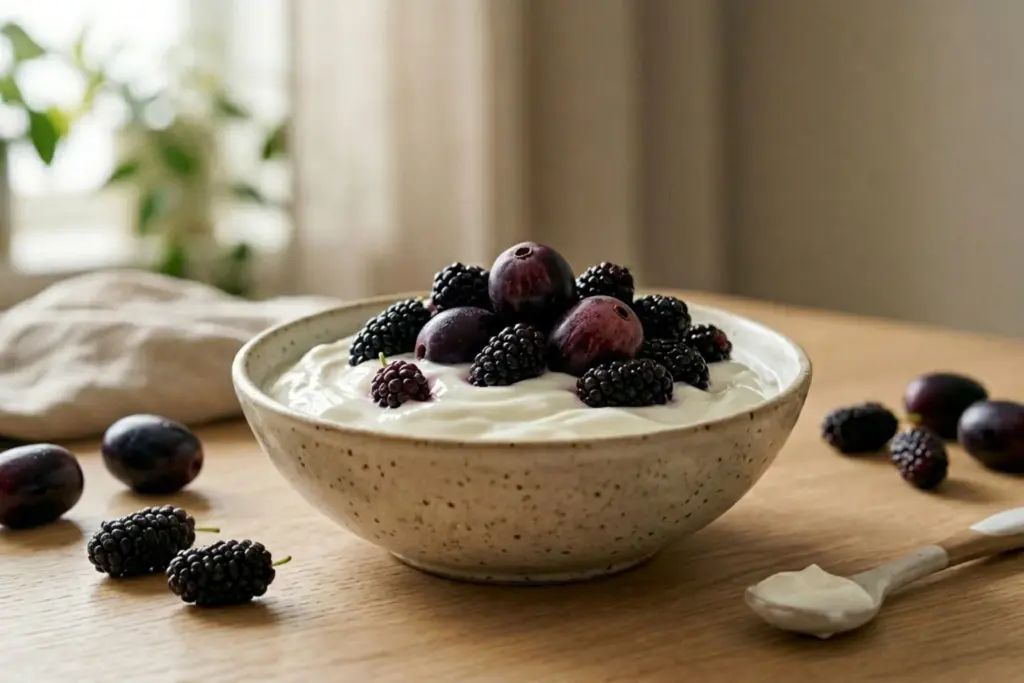
If you manage to get your hands on fresh jamun or mulberries, pair them with plain yoghurt. The probiotics in the yoghurt and antioxidants in the berries? A gut-heart win. Also, it just tastes like something summer invented for your happiness.
It’s not about going vegan, raw or keto. It’s about eating smart. Combine foods that make each other stronger, and your heart ends up winning by default. You don’t need a nutritionist. Just a little common sense and a willingness to mix it up.
FAQs: 8 Best Food Pairings for a Healthy Heart
Is garlic good for heart health?
Garlic is often linked to benefits for blood pressure and cholesterol levels, especially when included regularly as part of a balanced diet.
Are nuts and dried fruits good for the heart?
In moderation, yes. Nuts provide healthy fats and fibre, while dried fruits add natural sweetness and some minerals, making them a smart snack combination.
Can green tea support heart health?
Green tea may support heart health because of its antioxidant content, especially when it is part of a healthy lifestyle.
How can beans and rice be made more heart-friendly?
Adding herbs, onions, coriander and lime can improve flavour and make the meal feel lighter without relying on excess salt or heavy toppings.
Is yoghurt and berries a good combination for heart health?
Yes. Yoghurt provides probiotics and protein, while berries offer antioxidants that may support both gut and heart health.