
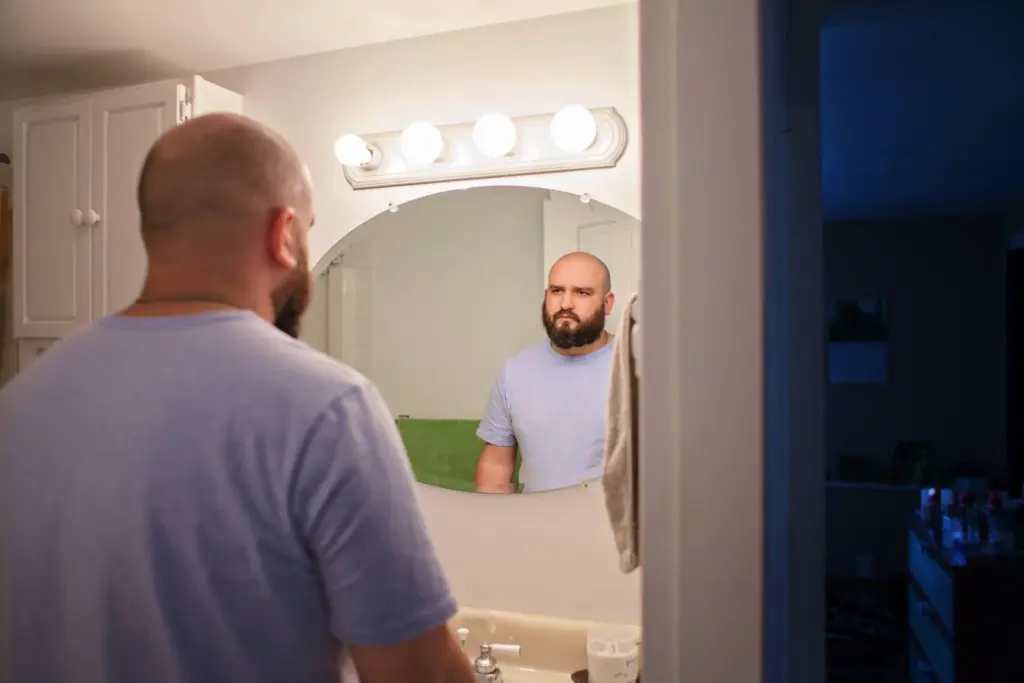
Low self-esteem: Everyone hits that wall sometimes. You look in the mirror and think, ugh, not today. Or you’re in a room full of people, and suddenly you’re hyper-aware of how you’re sitting, talking, breathing. That constant inner voice whispering, “you’re not good enough”? Yeah, that’s low self-esteem. And while it doesn’t vanish overnight, it can be managed.
Start by Noticing the Voice:
Low self-esteem usually sneaks in quietly. It’s not always dramatic. It’s the thought that your idea in a meeting isn’t worth sharing, or that people are “just being polite” when they compliment you. Catching those thoughts as they happen is step one. Literally pausing and asking yourself: Would I talk to a friend this way? Nine times out of ten, the answer’s no.
Also Read | How Type 2 diabetes affects mental health, mood, and daily life
Small Wins Add Up
Here’s the thing: you don’t rebuild self-esteem with one big heroic act. It’s small, boring, and almost unnoticeable wins. Making your bed in the morning. Speaking up once in that Zoom call. Saying “thanks” instead of brushing off a compliment. These tiny actions tell your brain, ” Hey, maybe I’m not as useless as I think.” And momentum starts to build.
Get Out of Your Own Head (Seriously)
When self-esteem is low, it’s like your brain is a badly lit room where everything looks worse than it is. One trick? Shift focus outward. Volunteer somewhere. Help a neighbour. Even something as simple as cooking for someone else can break the self-critical loop. Oddly enough, self-worth grows when you stop obsessing over yourself.
Curate Your Surroundings
Ever notice how certain people leave you drained while others make you feel like you can breathe again? Low self-esteem thrives in environments where you’re constantly compared, criticised, or dismissed. If your circle does that, shrink it. Spend more time with people who genuinely see you. Doesn’t mean cutting everyone off, but it does mean protecting your space.

Move Your Body, Change Your State
This one sounds cliché, but it works. Physical movement shifts your chemistry. Go for a walk without your phone. Hit the gym if that’s your thing, or just stretch until your muscles loosen. There’s something about proving to yourself that you can push through discomfort physically—it translates mentally.
Therapy Isn’t Weakness
Here’s the unglamorous truth: sometimes low self-esteem is too sticky to untangle alone. Therapy gives you tools, perspective, and a neutral voice that isn’t trapped inside your head. Think of it as a workout for your mental health. Nobody side-eyes you for hiring a personal trainer; same logic here.
Also Read | What is the difference between sadness and clinical depression?
Progress, Not Perfection
Managing low self-esteem doesn’t mean you’ll suddenly love yourself 24/7. That’s not realistic. But you can learn to quiet the harshest thoughts, to see yourself in a more balanced light. And honestly? That’s enough. Because self-esteem isn’t about becoming flawless, it’s about remembering you’re already a whole person, flaws and all.
FAQs: How to Build Self-Esteem Without Pressure
What are the signs of low self-esteem?
Common signs include constant self-doubt, negative self-talk, difficulty accepting compliments, fear of judgment, and avoiding new opportunities.
Can low self-esteem be improved?
Yes, it can be managed over time with small, consistent actions, awareness of negative thoughts, and supportive environments.
What causes low self-esteem?
It can come from past experiences, criticism, comparison, failures, or growing up in environments where you felt undervalued.
How can I stop negative self-talk?
Start by noticing it. Pause and question the thought. Ask yourself if you’d say the same thing to someone you care about.
Do small habits really help build self-esteem?
Yes. Small wins like completing daily tasks, speaking up, or accepting compliments slowly shift how you see yourself.