
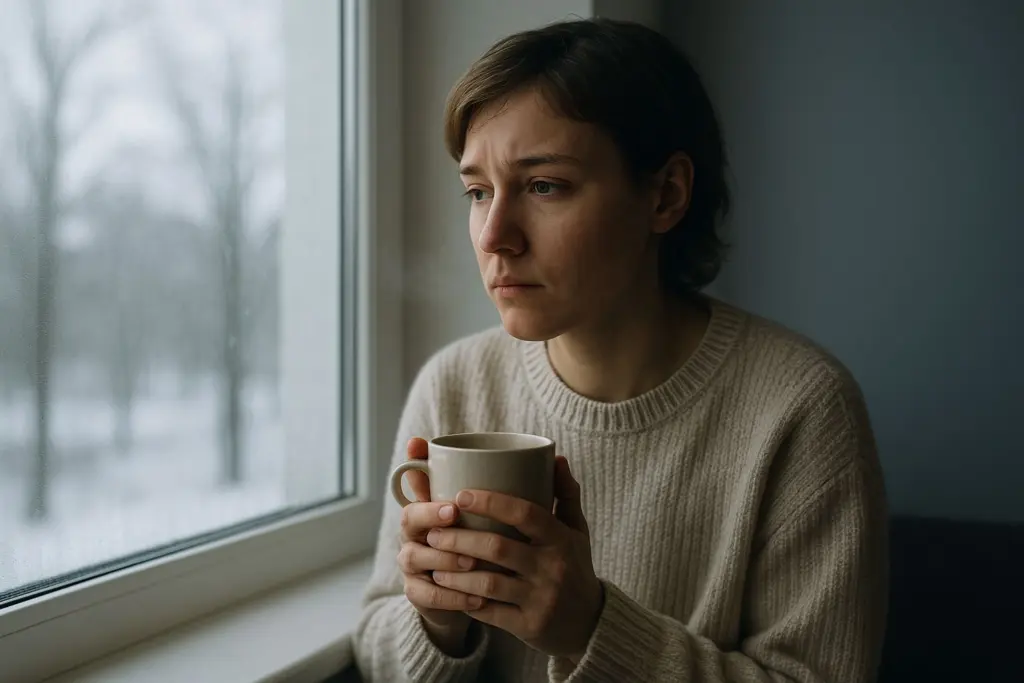
Winter blues or clinical depression: As the weather starts to cool down, have you ever felt your energy quietly slipping away? Mornings feel heavier; you keep hitting snooze, you reach for hot, comforting food more often, and your mood doesn’t shine as brightly as it does in brighter months. Many people casually call this the “winter blues.”
For some, it stays mild and manageable. For others, things become more intense. The low mood hangs around for weeks, sleep becomes disturbed, appetite changes noticeably, and even favourite activities no longer feel enjoyable. At that point, it may be more than a seasonal slump. It could be a sign of clinical depression. The confusing part is that both can look very similar at first, which makes it hard to understand what you’re actually facing.
Also Read | How to cope with anxiety: Practical tips for everyday relief
So why does winter have this effect on the mind?
Yes, the season brings cosy sweaters, hot soups, and quiet chilly mornings, but it also means shorter days and longer nights. Sunlight is essential for helping the brain produce serotonin and for keeping your internal body clock on track. When daylight reduces, serotonin levels can dip, leaving you feeling low, tired, and slow.
Add cold weather, staying indoors, less socialising, and fewer outdoor activities, and your mind can start to feel foggy and disconnected. That mix of factors is what many people experience as the winter blues, and it’s much more common than most of us realise.
Winter blues vs. clinical depression:
| Signs | Winter blues | Clinical depression |
| Duration | Temporary (a few days or weeks) | Lasts 2+ weeks, often months |
| Trigger | Lack of sunlight, routine change | Chemical imbalance, stress, or a deeper mental health issue |
| Mood | Mild sadness, low motivation | Persistent sadness, hopelessness, emptiness |
| Sleep | Slightly more sleep needed | Too much or too little sleep |
| Appetite | Crave carbs or sweets | Loss of appetite or overeating |
| Interest in acitivies | Can enjoy things once you start | Loss of interest in everything |
| Energy levels | A little tired | Constant fatigue, loss of energy |
| Daily functioning | You still manage work and home | Hard to concentrate or function normally |
| Improves with sunlight or socialising? | Yes | Not always; may persist despite efforts |
How to cope with the winter blues?
Chase the light:
Daylight is like fuel for your mood. Try stepping outside for 20–30 minutes a day, especially in the morning. A walk on your balcony, terrace, or nearby park is enough. Even if the sky is grey, natural light still helps reset your body clock and gently lifts serotonin levels.
Eat to support your mood:
Your plate can quietly influence how you feel throughout the day. Try to include:
- Vitamin D: Eggs, mushrooms, fortified milk and safe sunlight exposure when possible
- Omega-3 fats: Walnuts, flaxseeds, fatty fish
- Magnesium: Leafy greens, nuts, seeds, and a small piece of dark chocolate
- Whole grains: Oats, millets, brown rice for slow, steady energy

Slow the mind with simple practices:
When thoughts feel heavy or scattered, small grounding rituals can help you feel more in control. You can try:
- A few rounds of deep breathing: inhale for 4 seconds, hold for 4, exhale for 4
- Short guided meditation or gentle yoga
- Soft background sounds like rain, waves, or instrumental music while you unwind
- Even 5–10 minutes a day can make a difference over time.
Protect your routine:
Winter often tempts us to stay up late and sleep in, but irregular sleep can worsen mood swings. Aim to wake up and go to bed at roughly the same time every day, weekends included.
You could build a small, comforting morning ritual: a warm drink, a quick stretch, one page of journaling, or noting three things you’re grateful for. A simple, predictable routine gives your mind a sense of structure and safety when everything else feels a bit dull and slow.
When is it more than just the winter blues?
Sometimes the dip in mood during winter goes beyond feeling a bit dull or tired. You may start to notice:
- A sadness or empty feeling that won’t lift
- No interest in things that usually excite you
- Big changes in sleep routine
- Unexpected weight loss or weight gain
- Constant thoughts like “I’m useless” or “nothing will ever get better”
- Thoughts about hurting yourself or not wanting to be here
Feeling low in the colder months doesn’t mean you’re weak or “broken.” It often means your body and mind are reacting to the season and the lack of light. For many people, this slump eases as the days get brighter.
Also Read | What are health affirmations and how can they boost well-being?
But if these feelings are strong, last for weeks, or start to affect your daily life, it may be more than seasonal blues. It could be a form of depression that deserves care, kindness, and support from a mental health professional. And if you ever have thoughts of self-harm, reach out to a trusted person or professional help.