
Male fertility: When it comes to family planning, male fertility is often the most overlooked conversation. In fact, male fertility issues are more common than you might think, contributing to nearly 40–50% of all infertility cases globally.
What is male infertility?
Male infertility refers to the inability of a person assigned male at birth to cause pregnancy in their partner after a year of regular, unprotected sexual intercourse.
Also Read | Is sex normal in your 50s and 60s? 7 FAQs you should know
Male infertility can result from a variety of underlying factors, including sperm disorders, hormonal imbalances, anatomical abnormalities, erectile or ejaculation issues, infections, and genetic conditions. Certain medical conditions, such as diabetes, liver or kidney disease, cancer, and pituitary gland disorders, can also significantly impact reproductive health.
However, male infertility can often be improved naturally through a healthy, balanced diet.
What food items can boost male fertility?
Here’s a list of must-have foods that naturally boost male fertility.
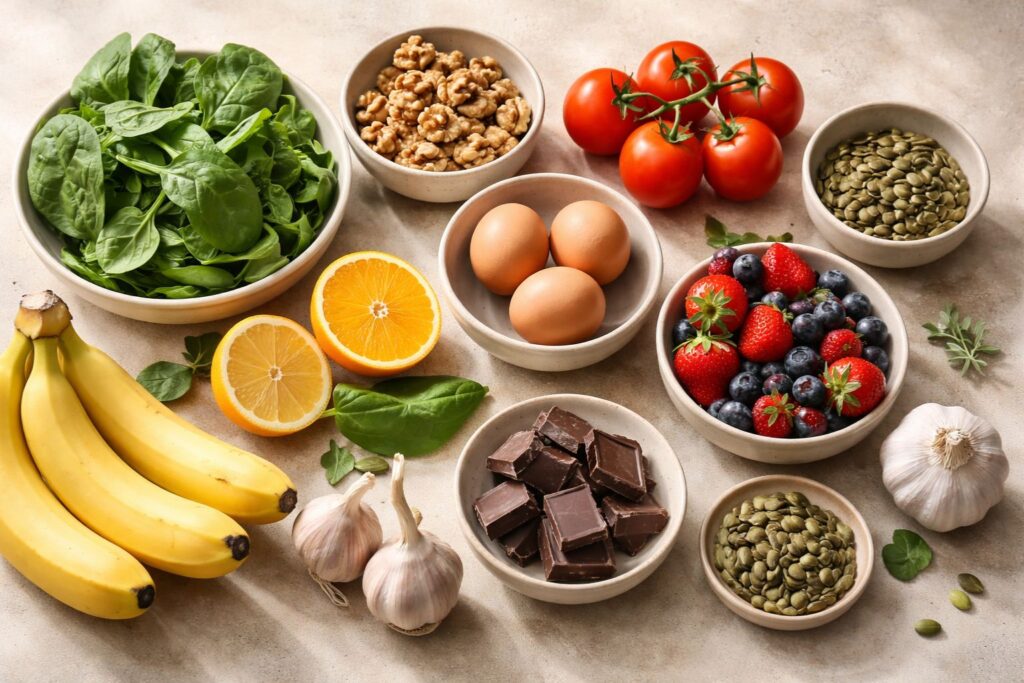
Spinach: Green leafy vegetables, including spinach and kale, are essential for healthy sperm development and DNA stability.
Garlic: Garlic naturally boosts testosterone levels and, in some cases, can also protect you against cancer. It contains allicin, which improves blood flow and protects sperm from oxidative stress.
Dark chocolate: Chocolate is more than a delicious indulgence. It’s packed with antioxidants and contains L-arginine, a compound that helps in increasing the volume of sperm.
Walnuts: They are rich in omega-3 fatty acids and can reduce oxidative stress. Studies show that a daily handful of these nuts can improve sperm vitality and motility.
Tomatoes: Lycopene in tomatoes is believed to increase the sperm count. Cooked tomatoes release more lycopene, so it’s always a good idea to incorporate tomatoes in curries or soups.
Vitamin D-rich food: Dairy products, eggs, and fatty fish help in improving overall sperm quality. Consuming eggs regularly increases your chances of fertilisation. It also protects sperm cells from free radical damage.

Citrus fruits and berries: Loaded with vitamin C, these fruits support sperm motility and protect sperm cells from damage. Goji berries, known for their high antioxidant content, are known to improve sexual mood and make it favourable for the production of sperm.
Bananas: Bananas are a rich source of bromelain that helps regulate sex hormones. They also contain nutrients such as vitamins A, B1, and C, which are necessary for healthy sperm.
Pumpkin seeds: Packed with zinc, Pumpkin seeds play a major role in maintaining sperm health and testosterone production.
Another good source of zinc is oysters. They can help increase sperm count and enhance sperm motility.
Male fertility: What foods to avoid?
Certain foods and substances can negatively impact sperm quality, count, and overall reproductive health. Here are some key foods and habits to limit.
- Processed meats
- Food high in sugar
- Trans-fat
- High-fat dairy
- Alcohol or tobacco consumption
Also Read | How to use lubricant during sex: A simple beginner’s guide
While there’s no magic wand, a balanced, nutrient-rich diet can significantly boost your chances of fertility. It’s also important that you avoid stress, maintain a physically active lifestyle and stay hydrated. In case you are facing challenges with fertility, it’s always better to reach out to a medical expert.
FAQs: Top Foods for Male Fertility and Sperm Count
What are the best foods to improve male fertility naturally?
Some foods often linked with better male fertility include spinach, walnuts, tomatoes, eggs, fatty fish, citrus fruits, berries, bananas, pumpkin seeds, garlic, and dark chocolate. These foods provide nutrients that may support sperm health and reproductive function.
What foods should men avoid for better fertility?
Men trying to improve fertility are often advised to limit processed meats, foods high in sugar, trans fats, high-fat dairy, and excessive alcohol or tobacco use.
Can vitamin D improve male fertility?
Vitamin D is believed to support reproductive health and may help improve sperm quality in some men. Foods such as eggs, dairy products, and fatty fish are common sources.
How long does it take for diet changes to affect male fertility?
Sperm production takes time, so healthy diet and lifestyle changes may take a few weeks to a few months before any noticeable improvement is seen.
Is male infertility common?
Yes, male fertility issues are more common than many people realise and are believed to contribute to a significant share of infertility cases worldwide.