
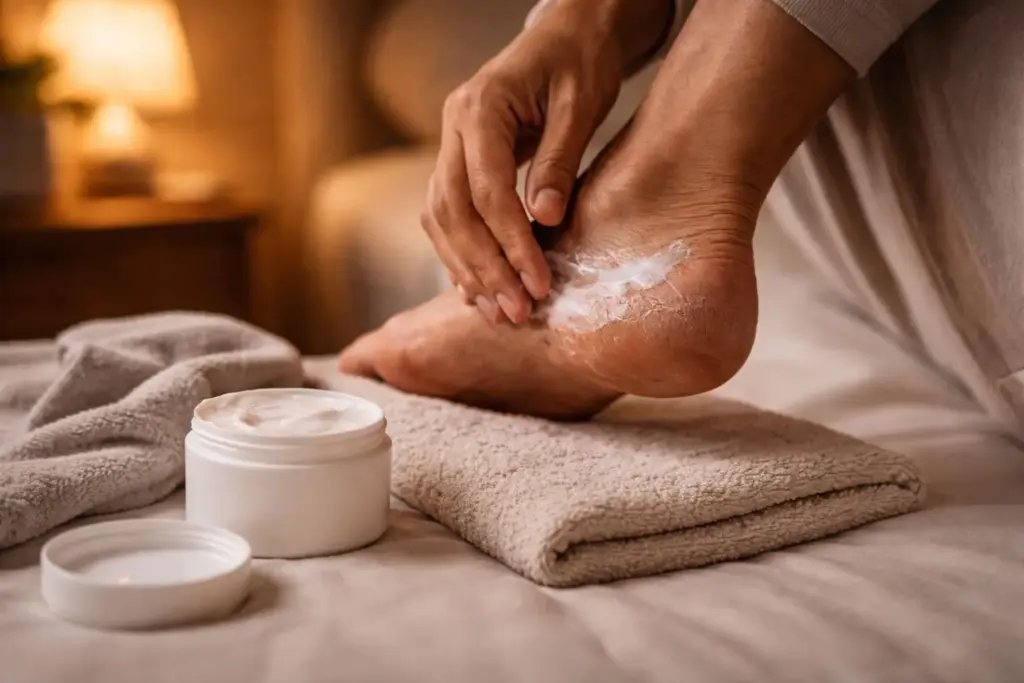
Cracked heels causes: Cracked heels are one of those annoyingly common problems almost everyone deals with at some point: dry, rough skin that starts peeling, then turns into painful splits. And the first thing many people assume is, “This must be a vitamin deficiency.” Most of the time, it isn’t.
What cracked heels actually are?
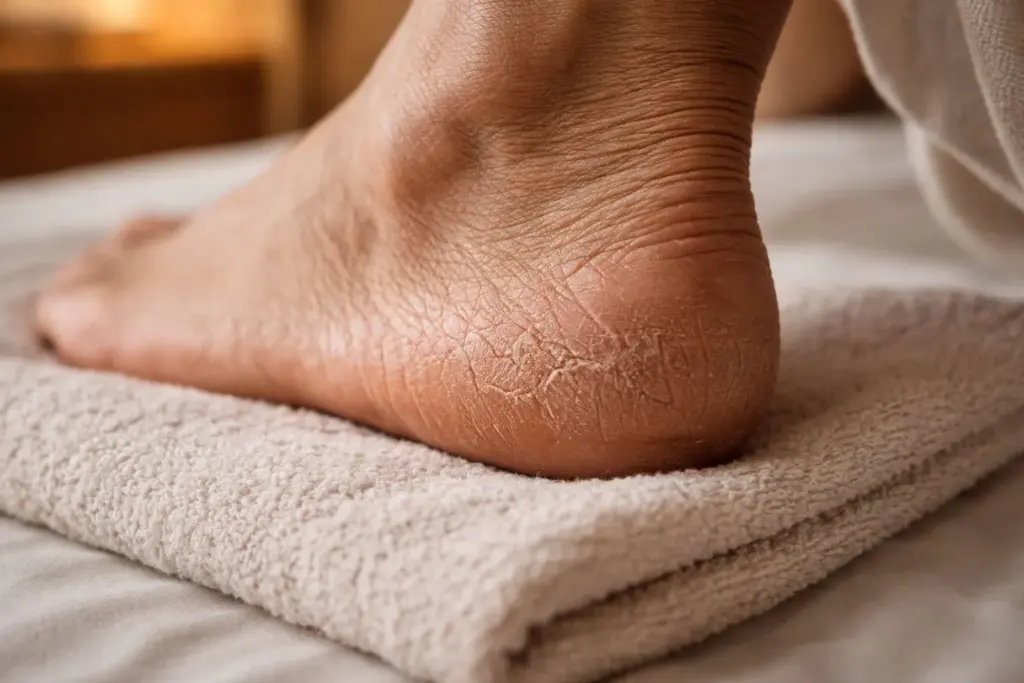
Your heels don’t have oil glands like other parts of the body. So when the skin there loses moisture, it dries out fast. Add pressure from standing, walking, or body weight, and the dry skin thickens into a hard callus. Once that thick layer can’t stretch anymore, it starts to split; those are the cracks. Some are mild, some sting, and in deeper cases, they can bleed or get infected.
Also Read | Which 7 foods could be ageing you faster?
Myths related to cracked heels:
Myth: Cracked heels mean a vitamin deficiency:
Vitamin deficiencies can affect skin health, but cracked heels are usually caused by simple, physical reasons: dryness and pressure. Common everyday triggers include:
- dry skin (especially if you’re prone to it)
- long hours standing or walking
- walking barefoot on hard floors
- open-back slippers/sandals that let the heel rub and dry out
- hot showers, harsh soaps, frequent washing
- winter air and indoor heating
- not moisturising your feet regularly
- dehydration
- extra body weight puts more pressure on the heel
Deficiencies like B vitamins, vitamin C, vitamin E, or zinc are sometimes linked, but they rarely show up as “only cracked heels.” If a deficiency is involved, you’ll usually notice other signs such as rashes, mouth ulcers, hair fall, weak nails, or constant fatigue.
Myth: Cracked heels only happen in winter:
Winter definitely makes it worse because the air is dry. But cracked heels can happen in any season if your skin is dry, your footwear doesn’t support the heel, or you’re on your feet all day. Certain medical conditions (like eczema, thyroid issues, or diabetes) can also make heel cracks more likely.
Myth: Oil will fix it overnight:
Oil helps soften skin, but deep cracks don’t heal in one night. For serious dryness, you usually need a thicker repair approach, something that seals in moisture and softens the hard callus layer over time. Think: heavy moisturisers, urea/lactic-acid-based heel creams, gentle exfoliation, and covering the feet with socks or closed-back footwear so the skin can recover.
When to see a doctor
See a dermatologist (or doctor) if:
- cracks are deep, bleeding, or very painful
- you notice pus, swelling, or a bad smell (possible infection)
- you have diabetes or poor circulation
- home care hasn’t helped after a couple of weeks
How to prevent cracked heels long-term:
Simple habits work better than quick fixes:
- moisturise feet daily (especially at night)
- avoid walking barefoot on hard floors
- wear shoes/slippers with good heel support
- drink enough water
- use mild soaps and avoid harsh scrubbing
- keep showers warm, not long and very hot
- use a proper foot cream regularly (not just oil)
Also Read | How to prevent dry skin in winter: Easy skincare tips
Cracked heels are usually about dryness, pressure, and footwear, not a vitamin problem. Deficiency is possible, but it’s the rare exception, not the default explanation. With consistent care, heels can heal well and stay soft. Healthy skin is built through everyday habits, not fear of myths.