
Manage blood pressure naturally: If your doctor has asked you to watch your blood pressure, you’re far from alone. High blood pressure is one of the most common health issues worldwide, and the encouraging part is that small daily habits can genuinely help. Even short movement breaks add up.
Two of the most practical options are walking and yoga. Each one supports blood pressure control in its own way, but when you combine them into a simple routine, you get a powerful mix: yoga helps settle the nervous system, while walking gives your heart and blood vessels the steady workout they need.
Also Read | 4 yoga asanas to keep your heart strong, steady, and calm
Why yoga and walking are a smart pairing:
Yoga helps you slow down, breathe better, and release tension that can keep the body in a “stress mode.” Walking, on the other hand, is one of the easiest forms of cardio to do consistently. Together, they create a routine that feels doable, not exhausting, which is exactly what makes it easier to stick with.
Gentle yoga warm-up (5 minutes) before your walk:
Start with a few minutes of calming stretches and breathing. The goal is to relax your body, loosen stiffness, and ease into movement.
Seated deep breathing (1 minute)
- Sit comfortably on a chair or mat.
- Inhale through your nose for 4 counts
- Exhale slowly for 6 counts
- Repeat for 5–6 rounds.
Cat–cow stretch (1 minute)
- Come onto hands and knees.
- Inhale and gently arch your back (cow)
- Exhale and round your spine (cat)
- Repeat slowly 6–8 times.
Seated forward bend (1 minute)
- Sit with legs stretched out (or bend your knees slightly if needed).
- Inhale and lift your arms up
- Exhale and fold forward, reaching toward your feet
- Hold for 3–5 slow breaths.
Neck and shoulder release (1 minute)
- Roll your shoulders backwards and forward slowly
- Gently tilt your head side to side (no force)
Mountain pose with arm stretch (1 minute)
- Stand tall with feet hip-width apart.
- Inhale, reach arms overhead
- Exhale, bring arms down
- Repeat 5 times.
Brisk walk (10 minutes):
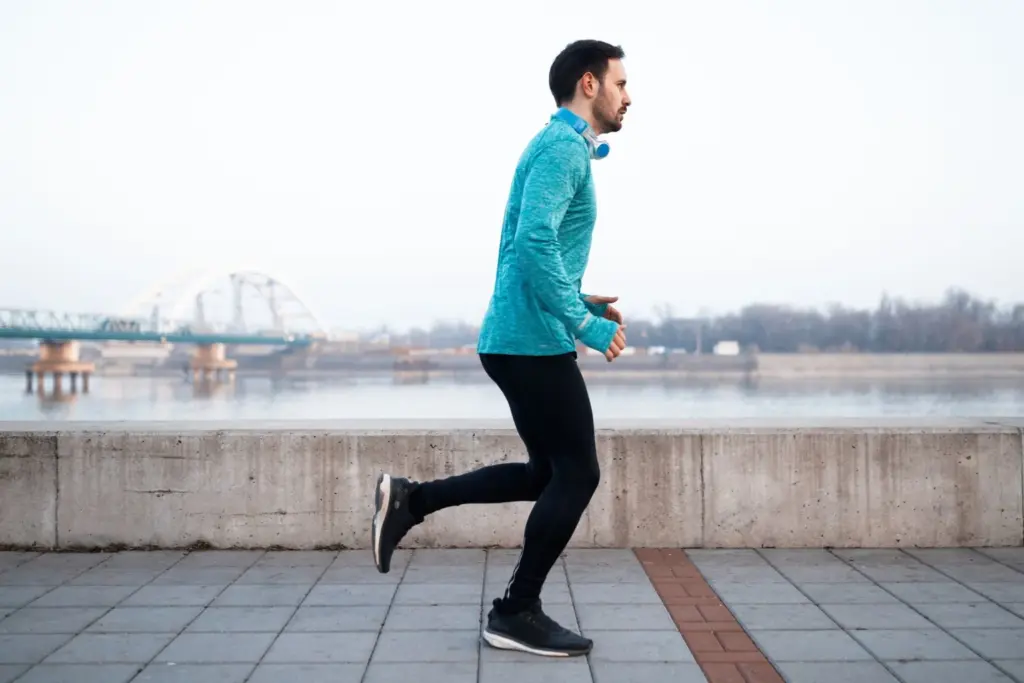
Once your body feels loosened up, shift into a steady walk. Aim for a pace that feels comfortable but slightly faster than a casual stroll. Keep your shoulders relaxed, let your arms swing naturally, and try to breathe smoothly.
No outdoor space? That’s fine. You can still do this indoors by walking laps around your home, using a corridor, or even marching in place near a window.
Yoga cool-down (5 minutes):
Finish by slowing everything down again. These gentle poses help your body release tension, settle the nervous system, and ease you back into a calmer state.
Standing forward fold (1 minute)
- Stand tall.
- Exhale and fold forward, letting your head and arms hang heavy
- Keep a soft bend in the knees if your hamstrings feel tight
- Stay for a few slow breaths.
Seated spinal twist (1 minute each side)
- Sit with legs extended (or sit cross-legged if that’s easier).
- Bring your right leg over your left and place your right hand behind you
- Inhale to lengthen your spine, exhale to turn gently
- Switch sides after a minute.
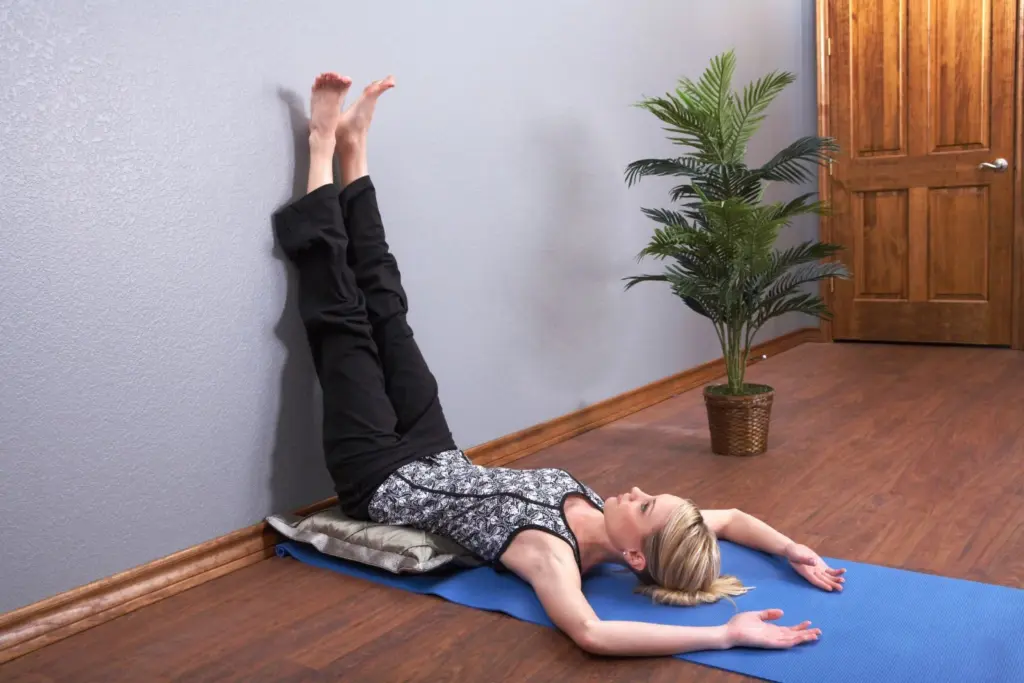
Legs up the wall (2 minutes)
- Lie down close to a wall and extend your legs upward against it.
- Rest your arms by your sides, close your eyes, and breathe slowly. Let your jaw and shoulders soften.
Also Read | How can yoga support liver health? 4 poses to improve digestion
Managing blood pressure doesn’t always require intense workouts or long gym sessions. Often, the most effective routine is the one you’ll actually do consistently. Think of this as a daily reset: 5 minutes to settle, 10 minutes to move, and 5 minutes to unwind. Small steps, done regularly, can make a real difference over time.