
Brushing techniques: Brushing is simple, but efficient brushing is a skill. Maximum plaque is present where the tooth meets the gum. Clean that junction gently and consistently, and you’ll prevent 80% of everyday problems: cavities, bleeding gums, sensitivity, and bad breath. This guide teaches exactly how to brush (manual and electric), how hard we should press, and when to brush for the best results, written for Indian readers and families.
The three rules of pro-level brushing:
- Angle: always aim bristles 45° to the gumline—not flat on the tooth.
- Motion: short, gentle micro-strokes or tiny circles, not just back-and-forth.
- Pressure: light—just enough to flex the tips, gentle enough to avoid very frequent bent of bristles .
If your bristles are bending sideways or look frayed in a few weeks, the pressure is too high.
Also Read | Our Expert Article: Dr Hiral Savani On How to Manage Pyorrhoea
How much pressure is “right”?
Target ~150–200 grams of force (light!).
Kitchen-scale hack: press your dry brush on a kitchen scale until it reads ~150 g; remember that feel.
Hold the brush like a pencil, not a fist.
Electric brushes with pressure sensors will warn you; use that feature. Excessive force can lead to gum recession, enamel abrasion, and increased sensitivity, even when using a “soft” brush.
Manual toothbrush: the Modified Bass (gold standard)
Brush choice: soft/ultra-soft bristles, compact head (you should be able to reach the last molar comfortably).
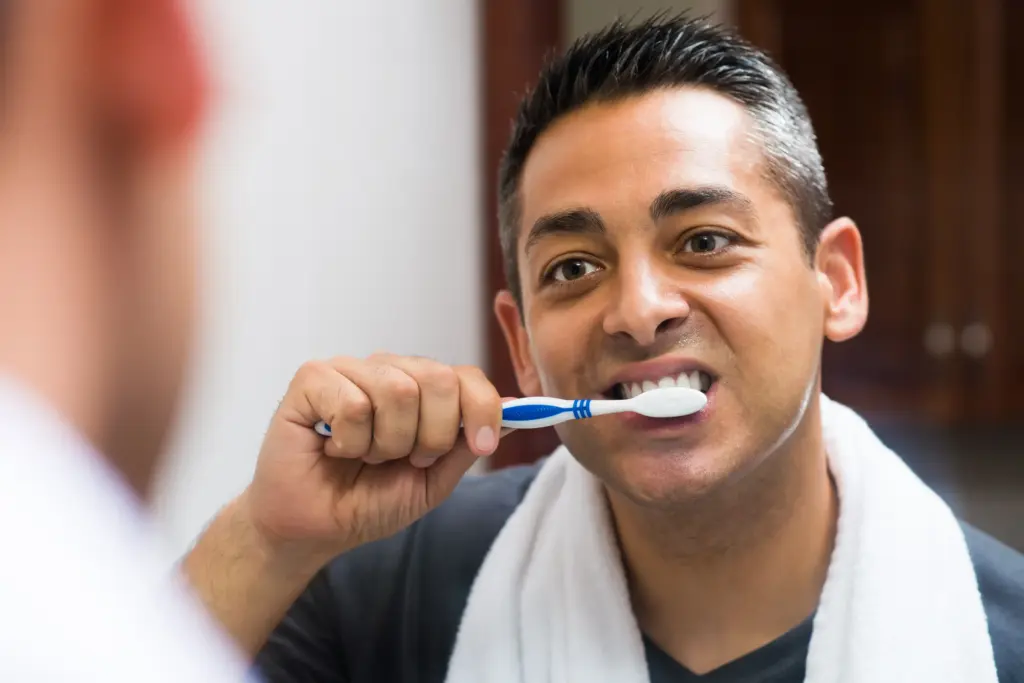
A step-by-step guide on how to brush (2 minutes):
- Outer surfaces (right to left): Place bristles at 45° to the gumline. Make 10–15 tiny jiggles on each tooth, then move to the next tooth, overlapping slightly.
- Inner surfaces: Same angle and micro-strokes. For lower and upper front teeth, turn the brush vertical and make gentle up-strokes from gum to tooth edge.
- Chewing surfaces: Short scrubbing strokes in the pits and grooves.
- Tongue: quick, gentle sweep back to front to reduce odour-causing bacteria.
- Spit, don’t rinse for 30 minutes. Let fluoride sit and work.
Common mistakes to avoid while brushing teeth:
- Long horizontal scrubbing (notches develop at the neck of teeth).
- Skipping the inside of the lower front teeth (plaque solidifies and accumulates as tartar).
- Rinsing immediately (washes away fluoride).
How does an electric toothbrush work?
Two main types: oscillating-rotating (small round head) and sonic (vibrates at high frequency). Both can outperform rushed manual brushing, especially if your technique or motor skill of holding the brush isn’t perfect.
How to brush using an electric toothbrush?
Rest; don’t scrub. Place the head at the gumline; pause 2–3 seconds per tooth surface, moving from tooth to tooth. Follow the same route each time: from outer to inner and then to chewing for all four quadrants. If the pressure light activates, lighten up. Spit, don’t rinse for 30 minutes.
Who benefits most from electric toothbrushes?
Individuals with braces, gum disease, limited hand movement, kids/teens who rush, and anyone who struggles to keep pressure light may benefit from electric toothbrushes.
Timing: when to brush for maximum protection
Twice daily is non-negotiable. Cleaning your plaque thoroughly before bed is crucial, as it remains undisturbed while you sleep.
Morning:
- Option A: Brush on waking, then have breakfast.
- Option B: If you prefer, after breakfast, wait for 30 minutes (especially after acidic foods/juice) so softened enamel can reharden.
After vomiting or reflux: rinse with plain water or a teaspoon of baking soda in a cup of water, wait 30 minutes, then brush.
How much toothpaste should you use?
- Adults/teens: pea-sized amount of fluoride toothpaste.
- 6–12 years: pea-sized
- <6 years: smear/rice-grain if a dentist advises, supervised.
“Herbal” pastes are fine only if they contain fluoride; check the box.
Sensitive teeth? At night, apply a desensitising fluoride paste and then spit it out without rinsing.
A 2-minute same route every day builds muscle memory and prevents “favourite-tooth” syndrome.

Interdental cleaning: where the normal brush can’t reach.
Toothbrush bristles cannot completely clean the spaces between teeth. Add one of these once daily (night is best):
- Floss (tight contacts, younger gums),
- Interdental brushes (gaps, bridges, gum disease—choose the size your dentist measures), or
- Water flosser (helpful with braces/implants; still combine with floss/brushes if possible).
Special situations (what to tweak)
- Braces: orthodontic (V-trim) brush or electric + interdental brushes around brackets; angle above and below the wire.
- Gum recession/sensitivity: ultra-soft brush, feather-light pressure, desensitising fluoride paste; avoid horizontal scrubbing.
- Implants: use superfloss or interdental brushes that are sized by your dentist; avoid using metal wire, as it can scratch implant surfaces (opt for coated alternatives).
- Kids: under 8–9 years they need adult help, use the Fones technique (gentle circles) and a timer song.
- Elderly/limited dexterity: consider electric, larger handles or grips, and a sit-down routine for safety.
How to care for your toothbrush?
- Rinse and air-dry upright; avoid closed, wet caps.
- Replace every ~3 months or sooner if bristles splay, after a cold/flu, or if the head looks tired.
- Electric users: change heads on the same schedule.
Mouthwash: Do you need it?
Not mandatory for everyone. If your dentist recommends one, use it at a different time from brushing (e.g., midday) so you don’t wash away fluoride left by your toothpaste.
Quick troubleshooting
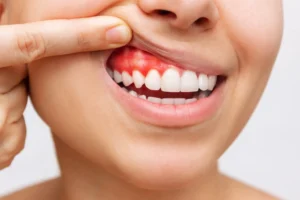
- Bleeding gums? Don’t stop; improve technique at the gumline and add interdental cleaning; bleeding usually settles in 7–10 days. If it persists, get a gum check.
- Bad breath despite brushing? Clean the tongue and interdental spaces; rule out sinus, reflux, or gum disease.
- White spots at the gumline or between teeth? These early lesions can remineralise with better plaque control + fluoride; see your dentist promptly.
Also Read | Our Expert Article: Dr Dimple Chhatwani on What IVF Means for Couples Trying to Conceive
Your 7-point pro brushing checklist:
- Soft/ultra-soft brush, compact head
- 45° to gumline; tiny jiggles/circles
- Light pressure (aim for ~150–200 g)
- Full 2 minutes with a set route
- Spit, don’t rinse for 30 minutes.
- Interdental cleaning once daily
- Replace the brush/head every 3 months.
Powerful brushing isn’t about strength; it’s about angle, finesse, and consistency. Keep your pressure light, aim into the gumline, clean the spaces between teeth, and protect the fluoride you apply. Whether you use a well-handled manual or a feature-rich electric, mastering the technique is what keeps your smile healthy for life.
Medical disclaimer
This article is for general education and does not replace a personal dental exam. Your dentist may modify these recommendations based on your gums, restorations, braces, implants, medical history, and age.