

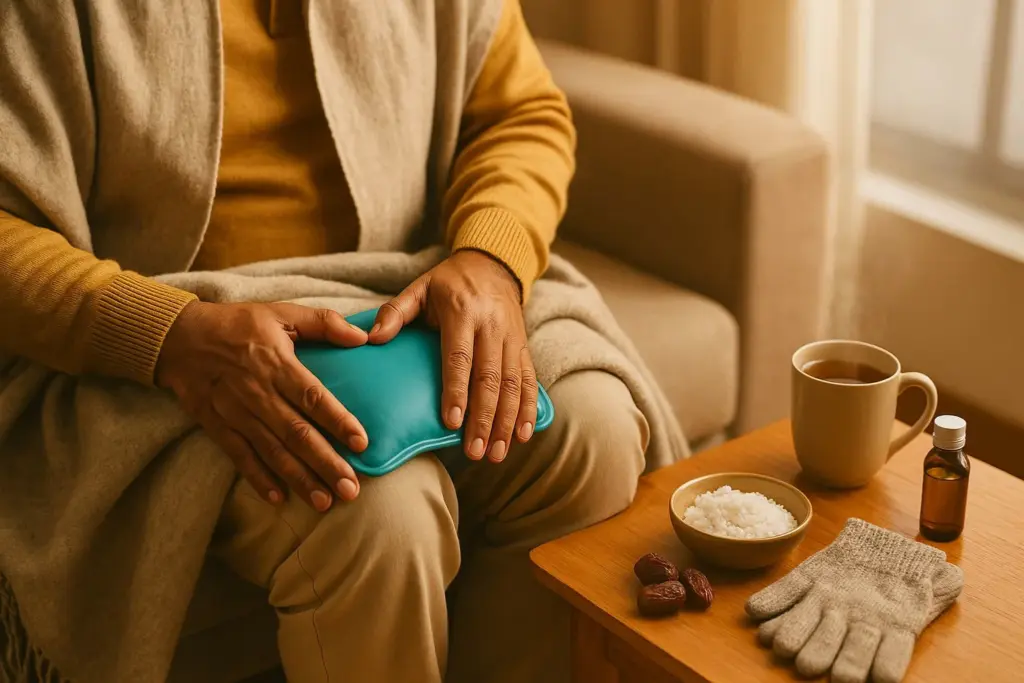
Arthritis in winter: If you live with arthritis, you’ve probably noticed that winter doesn’t just bring cold hands and foggy mornings, it can also make your joints feel heavier, stiffer and more painful. Even on days when you haven’t walked much or lifted anything, your knees, fingers or back can start to ache as the temperature drops. The chill in the air, staying indoors more, and changes in air pressure all play a role.
The good news is you don’t have to endure every cold day silently. Simple things like warm compresses, gentle movement and a few home remedies can reduce pain, ease stiffness and help you move more comfortably through the season.
Also Read | From mild to severe: Understanding the stages of arthritis progression
So why does arthritis feel worse in winter?
When it’s cold, your blood vessels narrow, so less warm blood and oxygen reach your joints. That can make them feel tight, rigid and sore. On top of that, cold air and lower atmospheric pressure can cause the tissues around your joints to swell slightly, which increases pain sensitivity. And because we tend to move less and sit more under blankets in winter, the joints can become even less flexible and more uncomfortable.
Why does warmth help in winter?
Warmth is one of the simplest ways to calm angry joints. When you apply heat, it boosts blood flow to the area, relaxes tight muscles and dulls some of the pain signals travelling through your nerves. It’s almost like telling your joints, “You’re safe, you can loosen up now.” That’s why heat therapy is often recommended as a soothing, at-home support for arthritis pain.
Here are four home tips that can help you
Warm compress:
A warm compress can ease stiffness and help your joints move more freely. It’s easy to do and, when used correctly, is generally safe. Here’s how to do it:
- Use a hot water bag, heating pad or a towel soaked in warm (not boiling) water.
- Place it gently over the painful joint, such as knees, shoulders or fingers.
- Keep it there for about 15–20 minutes. Avoid very high heat or using it for more than 30 minutes at a time.
- You can repeat this 2–3 times a day if needed, as long as your skin stays comfortable and not overheated.
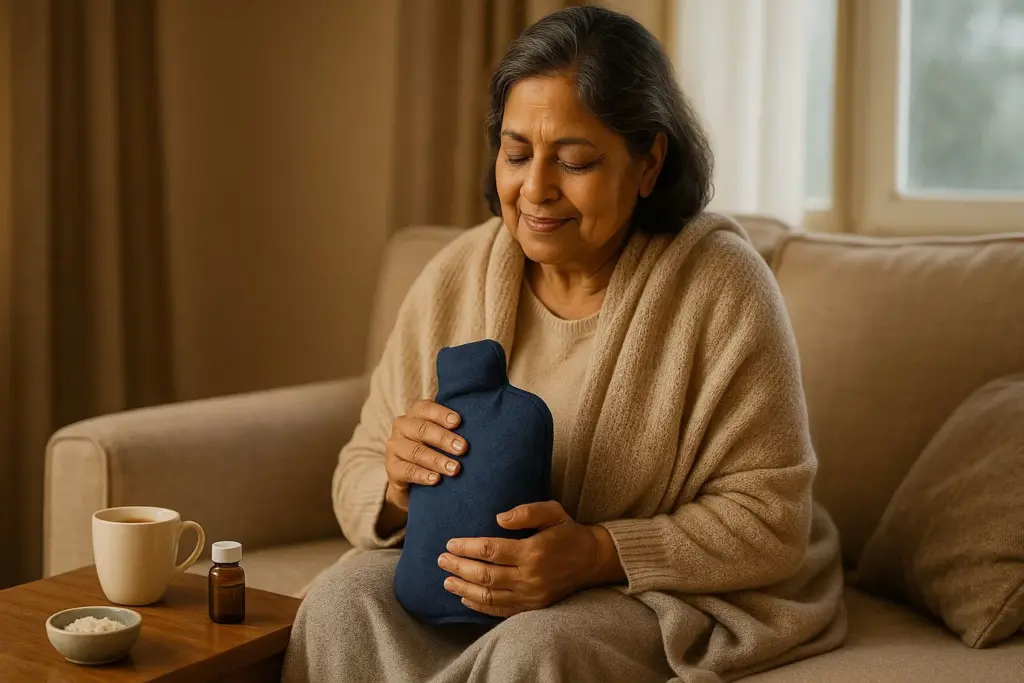
Soothing warm bath:
There’s a reason a warm bath feels magical on a cold day, especially when your joints are stiff and sore. The heat helps your muscles relax and eases tension around the joints. Adding Epsom salt can make it even more soothing, as the magnesium may help relax muscles and calm inflammation. Even if you don’t have a bathtub, soaking just your feet or hands in a bucket or tub of warm water can bring real relief. Here’s how to do it:
- Fill a bathtub or bucket with comfortably warm (not too hot) water.
- Add ½–1 cup of Epsom salt and mix well.
- Soak the affected area for 15–20 minutes, then dry off and keep warm.
Keep your joints covered and warm:
Preventing cold from reaching your joints is just as important as treating the pain. Low temperatures can stiffen joints quickly, so try to keep them protected and insulated. Try this:
- Wear soft woollen gloves if you have arthritis in your hands.
- Use thermal knee wraps or elastic sleeves for painful knees and elbows.
- Dress in layers instead of one thick sweater; layers trap heat better.
- Avoid sitting near open windows, cold drafts or directly under fans or AC.
Herbal teas:
Warmth for your joints doesn’t have to come only from heaters and blankets; your mug can help, too. Certain herbs and spices have natural anti-inflammatory properties and can support better blood flow, making them a simple addition to your arthritis routine. Soothing drinks to try:
- Ginger tea: Slice fresh ginger, boil it in water for about 10 minutes and sip warm.
- Turmeric milk (haldi doodh): Stir ½ teaspoon turmeric and a pinch of black pepper into warm milk.
- Cinnamon tea: Lightly brewed cinnamon can support circulation and ease inflammation.
- Green tea: Packed with antioxidants that may help reduce stiffness and joint discomfort.
Also Read | Can you prevent arthritis? What science says
Winter doesn’t have to be a season of extra pain. With a bit of daily care such as warm compresses, gentle movement, layered clothing and comforting herbal drinks, you can help your joints stay more relaxed and flexible. Small, consistent warmth can make a big difference in how your joints feel all winter.