

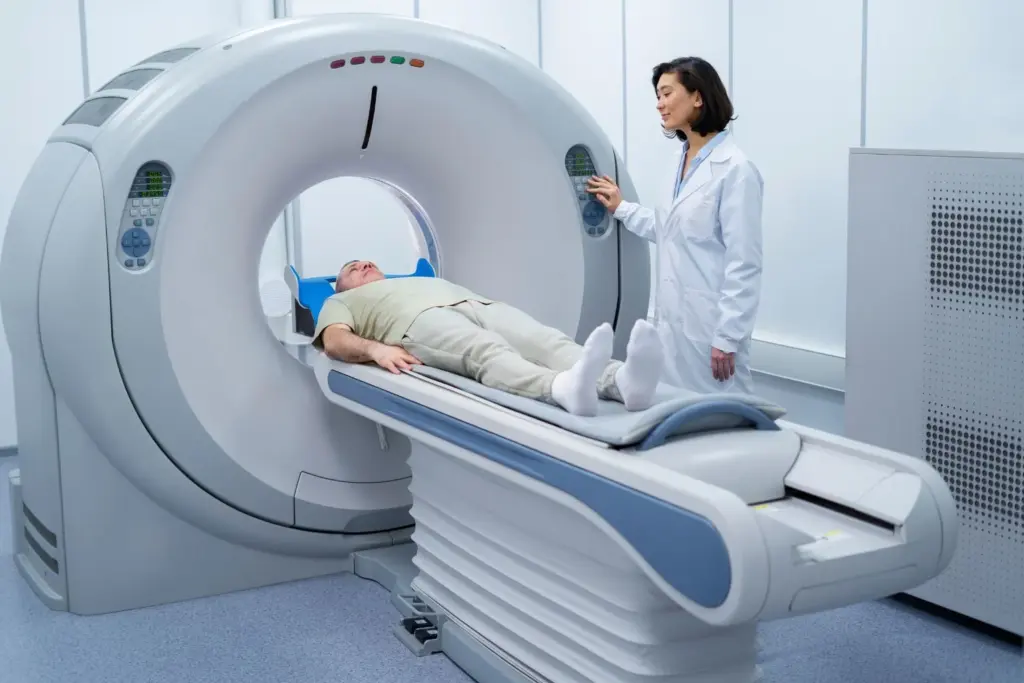
CT scan and cancer risk: It’s one of those questions that makes you pause after a doctor recommends a scan. “Wait… doesn’t radiation cause cancer?” The thought sneaks in quietly, even if you don’t say it out loud. And honestly, it’s not a silly question at all.
CT scans are powerful tools. They let doctors see inside your body in ways that regular X-rays can’t. They can catch things early, from internal bleeding to tiny tumours. But yes, they do involve radiation, and that’s where the concern starts.
Also Read | Can obesity lead to cancer? What the science says
How much radiation are we talking about?
Let’s put it in perspective. A single chest X-ray gives you a tiny dose of radiation, roughly what you’d get from natural background exposure in a few days. A CT scan douses you a few hundred times more than an X-ray, depending on what part of the body is being scanned.
That sounds scary at first glance. But it’s not as dramatic as it seems. Even a higher dose doesn’t automatically mean you’ll get cancer. It just means the risk is slightly higher, and for most people, it’s still extremely low.
Doctors don’t suggest CT scans for fun. They weigh the pros and cons carefully. If a CT can help diagnose or rule out a life-threatening issue, that benefit far outweighs the small potential risk.
The risk is real, but small:
Radiation can damage DNA, which sometimes leads to cancer years later. The keyword there is sometimes. Most of the time, your cells repair themselves just fine.
Researchers estimate that the chance of developing cancer from a single CT scan is maybe one in several thousand. It’s not zero, but it’s not something to lose sleep over either. Think about it this way: flying cross-country a few times a year also exposes you to radiation, and yet no one panics before boarding a plane.
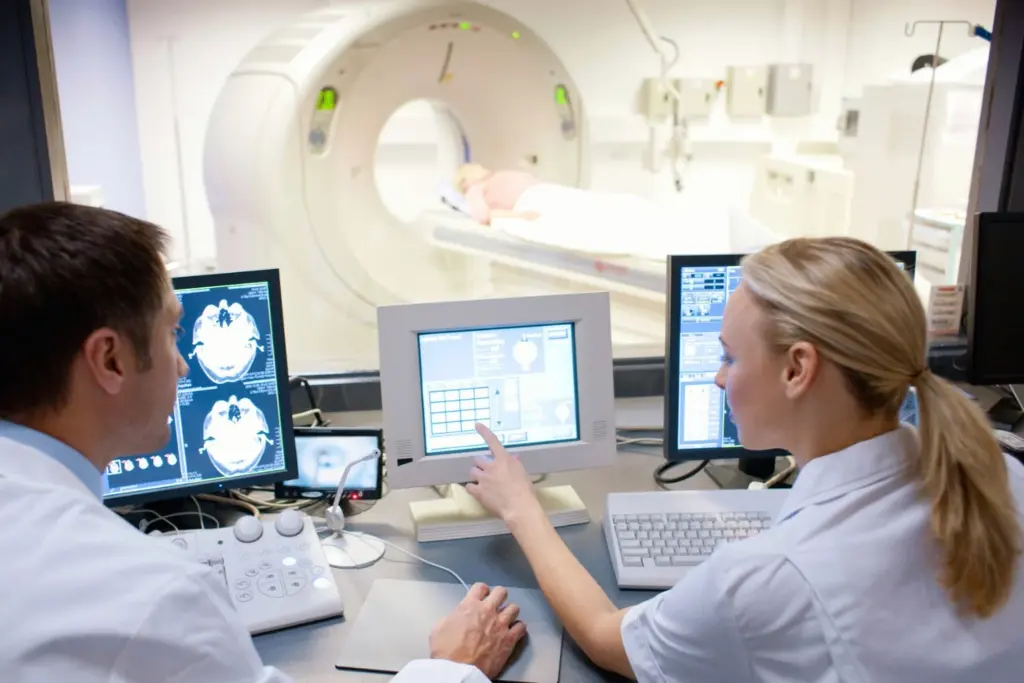
When should you worry?
That said, it’s always fair to ask your doctor if a scan is vital. Sometimes, other tests such as an ultrasound or MRI can provide the same information without radiation. Good doctors won’t be annoyed by the question; in fact, they’ll respect that you care about understanding your own care.
Also, keep track of how many scans you’ve had over time. Hospitals usually do, but it doesn’t hurt to know for yourself. If you’ve had multiple CTs in a short period, your doctor might choose a different approach next time.
Also Read | What are the warning signs of lung cancer and how is it treated?
Yes, CT scans involve radiation, and yes, there’s a small associated risk. But in medicine, context is everything. If a CT scan helps catch a blood clot before it travels to your lungs, or spots a tumour before it spreads, it’s doing far more good than harm.
So no, you shouldn’t avoid CT scans out of fear. You should just stay informed. Ask questions. Understand the why behind each test. It’s your body, after all, and you deserve to know what’s happening to it.