


HPV beyond cervical cancer: Human papillomavirus (HPV) is often associated with cervical cancer, but its impact extends far beyond women’s health. HPV causes at least six types of cancer in both men and women, making awareness and prevention critical for all.
HPV’s role in cancer:
HPV comprises over 200 viruses, with 14 high-risk types linked to cancer. While cervical cancer remains the most common HPV-related malignancy (90% of cases are HPV-driven), the virus also causes:
- Anal cancer (90% linked to HPV)
- Oropharyngeal (throat) cancer (60–70% of cases)
- Penile cancer (60%)
- Vulvar and vaginal cancers (70%)
- Rectal and head/neck cancers
In 2019, HPV caused approximately 620,000 cancer cases in women and 70,000 in men globally. Notably, oropharyngeal cancer has surpassed cervical cancer as the leading HPV-linked malignancy in high-income countries, with men accounting for 80% of cases.
Also Read | HPV in men: Why boys need the vaccine too
How HPV leads to cancer:
Most HPV infections clear naturally within two years. However, persistent infections with high-risk strains can trigger cellular changes that lead to cancer over time. For example:
- Cervical and anal cancers often develop from precancerous lesions detectable through screening.
- Oropharyngeal cancers, however, lack validated screening methods, emphasising the need for prevention.
Prevention through vaccination:
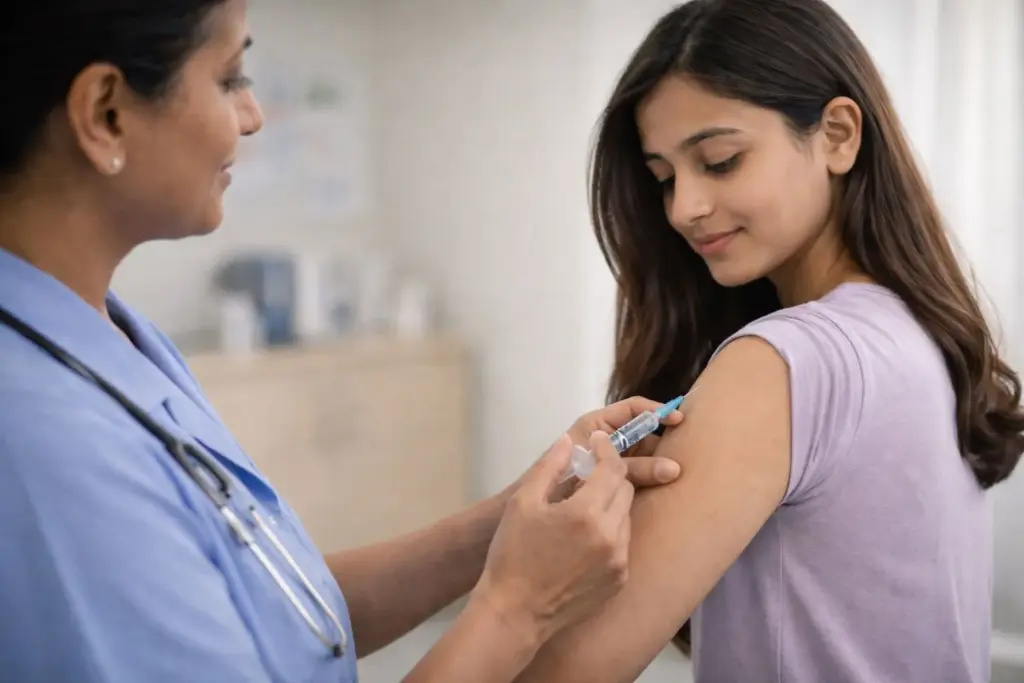
The HPV vaccine is over 99% effective at preventing infections from targeted high-risk strains when administered before exposure. Key facts:
- The CDC recommends vaccination for all children aged 11–12, with catch-up doses up to age 26.
- Gardasil 9 protects against nine HPV strains, including those causing 90% of cervical cancers and most genital warts.
- Vaccinating boys reduces transmission to partners and lowers their own risk of anal, penile, and throat cancers.
Screening and early detection:
- Cervical cancer: Regular Pap smears and HPV testing can detect precancerous changes, reducing mortality by 60–70%.
- Anal cancer: High-risk groups (e.g., men who have sex with men, people with HIV) benefit from anal Pap tests.
- Oropharyngeal cancer: No screening exists, so symptom awareness (e.g., persistent sore throat, lumps) is vital.
Why gender-neutral awareness matters:
HPV-related cancers are not limited by anatomy. For instance:
- Men face rising rates of throat cancer, now the most common HPV-linked cancer in the US.
- Vaccination rates lag in boys, perpetuating preventable transmissions.
Also Read | Are STDs transmitted through kissing?
HPV vaccines and screenings save lives, but their benefits are maximised when embraced by all genders. By prioritising vaccination, advocating for equitable access, and dismantling stigma, we can reduce the global burden of HPV-linked cancers for everyone.