
Can olive oil reduce cholesterol: When people talk about “heart-healthy foods,” olive oil almost always makes the list. It’s splashed across diet blogs, tucked into Mediterranean cookbooks, and praised by doctors. But what’s the actual story? Can drizzling olive oil on your salad really help with cholesterol, or is it just another health fad dressed up in fancy bottles?
Good Fat vs. Bad Fat:
First, a quick reality check: not all fats are villains. The main culprits for high cholesterol are trans fats and high levels of saturated fats. Olive oil, especially the extra virgin kind, leans heavily on monounsaturated fats. Think of these as the friendlier fats, the ones that don’t clog up your arteries like a traffic jam during rush hour.
Also Read | How often should you check your cholesterol? An age-wise screening guide
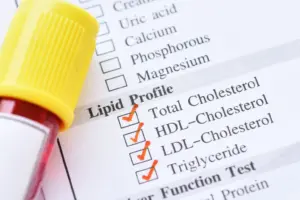
Studies show that replacing butter or lard with olive oil can reduce LDL cholesterol (the “bad” one) while nudging HDL cholesterol (the “good” one) in a healthier direction. HDL acts like a cleanup crew, sweeping excess cholesterol out of your bloodstream. That balance matters a lot more than obsessing over numbers in isolation.
It’s Not Just About the Fat:
Here’s where olive oil pulls ahead of other cooking oils. Beyond its fat profile, it’s loaded with antioxidants and polyphenols. These plant compounds calm down inflammation, which is often behind artery damage and plaque buildup. Picture pouring oil on a squeaky hinge; that’s sort of how olive oil behaves in your body, smoothing out the rough edges where cholesterol might otherwise stick.
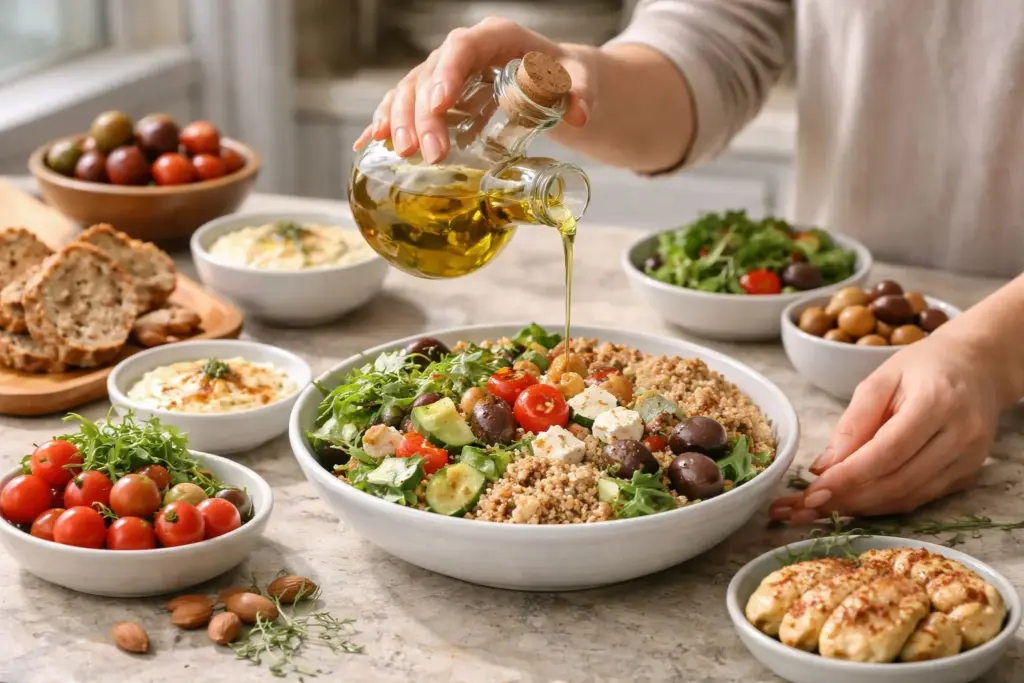
And let’s be honest, flavour plays a role, too. A drizzle of peppery extra virgin olive oil over roasted vegetables doesn’t just make them taste good. It also makes it easier to ditch less healthy fats, because you’re not sacrificing satisfaction.
Now, before you start chugging it straight from the bottle (I’ve seen people do this), remember: olive oil is still oil. It’s calorie-dense, and too much of anything, even the good stuff, can backfire. Pouring half a cup of oil over your pasta every night won’t magically erase cholesterol problems. Balance matters. Use it as a replacement, not just an addition.
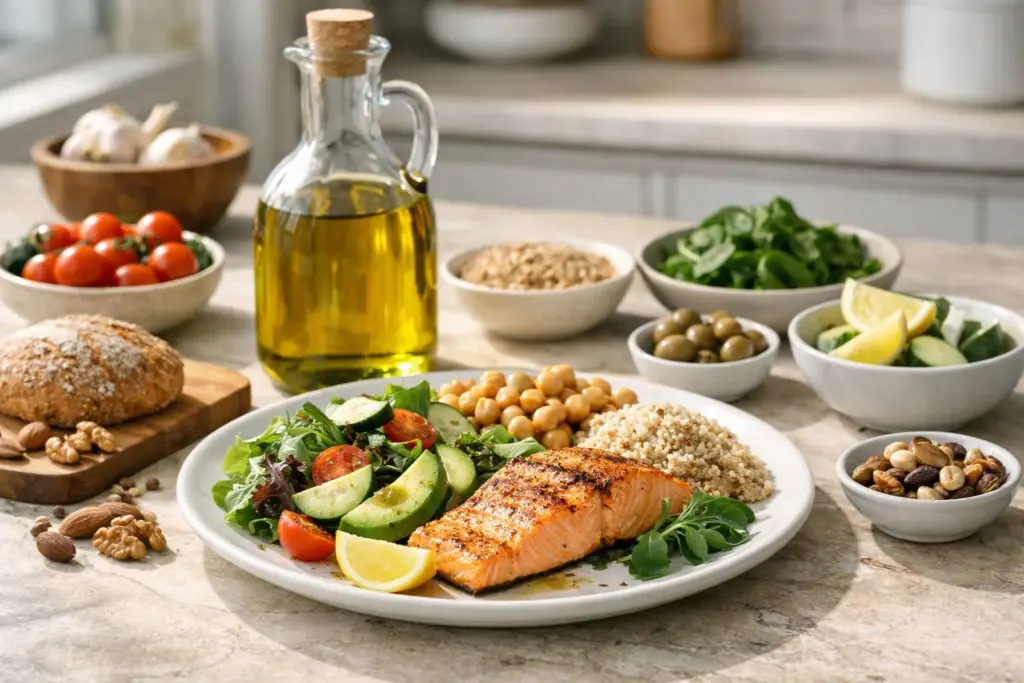
Think about people in Mediterranean regions who use olive oil daily. Their diets aren’t just about olive oil; it’s paired with vegetables, legumes, fish, and whole grains. That mix is what gives the “Mediterranean diet” its cholesterol-lowering reputation. So, swapping a burger for fries cooked in olive oil doesn’t quite hit the same note.
Also Read | Why doctors see more cholesterol spikes during winter
Olive oil isn’t a miracle cure, but it does help tip the cholesterol scale in your favour when used smartly. Trade out butter on your toast, sauté veggies in it, or finish off soups with a drizzle. It’s simple, flavorful, and backed by science, not hype.
At the end of the day, olive oil is one of those rare foods where taste and health genuinely meet. And if it helps your cholesterol while making dinner a little tastier? That’s a win worth savouring.
FAQs: Olive Oil and Cholesterol
Does olive oil really help lower cholesterol?
Yes, olive oil, especially extra virgin olive oil, may help lower LDL or bad cholesterol when used in place of saturated fats like butter or lard.
Which olive oil is best for cholesterol?
Extra virgin olive oil is usually the best choice because it contains more antioxidants and polyphenols, which may support heart health and reduce inflammation.
Can olive oil increase good cholesterol?
Olive oil may help improve HDL or good cholesterol levels, especially when included as part of a balanced heart-friendly diet.
Is olive oil better than butter for heart health?
In most cases, yes. Olive oil contains mostly monounsaturated fats, while butter is higher in saturated fat, which can raise LDL cholesterol.
How much olive oil should you take daily for cholesterol?
Moderate amounts are best. Olive oil is healthy, but it is still calorie-dense, so it should replace less healthy fats rather than simply be added in excess.