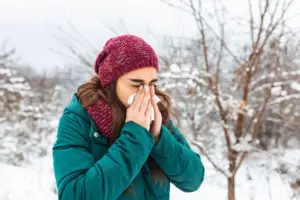


Types of colds: Most people catch a cold once or twice a year. Some deal with it even more, especially during winter, weather changes, or after exposure to dust and pollution. But here’s something many people don’t realise: “a cold” isn’t always the same thing.
Different viruses (and sometimes allergies) can affect different parts of your respiratory system, which is why one cold may feel like a sore throat and sneezing, while another feels like sinus pressure or a stubborn chest cough.
Also Read | Why you cough in the morning during winter: Pollution or cold?
Below are six common types of cold people usually describe:
The common cold:
This is the classic cold most of us recognise. It’s usually caused by viruses such as rhinoviruses (and other common respiratory viruses).
Typical symptoms:
- runny or blocked nose
- sneezing
- sore throat
- mild headache
- mild cough
- low-grade fever (sometimes)
How long it usually lasts: 3–10 days
What usually helps:
- rest and sleep
- warm soups, tea, and fluids
- steam inhalation
- saline nasal drops
- paracetamol for fever/body pain (if needed)
Head cold (sinus-heavy cold):
A “head cold” is what people often call a cold that mainly hits the sinuses, the air spaces around the forehead, cheeks, and nose. It can follow a regular cold or feel worse if allergies are also involved.
Typical symptoms:
- heavy, “full” feeling in the head
- pressure or pain around the forehead, eyes, or cheeks
- blocked nose
- thick mucus (sometimes yellow or green)
- reduced sense of smell
How long it usually lasts: 1–2 weeks
What usually helps:
- steam inhalation
- warm compress over the forehead/cheeks
- plenty of water and warm fluids
- saline rinse or nasal spray
- rest
Chest cold (bronchitis-like cough):
This is when the infection irritates the airways (bronchial tubes), leading to a deeper cough. It often starts like a normal cold and then “moves down.” Most chest colds are viral, so antibiotics usually aren’t needed, but breathing trouble should never be ignored.
Typical symptoms:
- deeper, heavier cough
- phlegm/mucus (often white or yellow)
- chest tightness
- fatigue
- mild fever
- wheezing (sometimes)
How long it usually lasts: 2–3 weeks
What usually helps:
- warm fluids and soups
- honey for adults (not for children under 1 year)
- steam inhalation
- avoiding very cold drinks
- cough syrup only if advised
Influenza (Flu):
Flu isn’t just a stronger version of a cold; it usually hits harder and faster. Many people assume it’s a “really bad cold,” but the giveaway is how suddenly it arrives and how quickly it can knock you out.
Common symptoms:
- high fever
- body aches and muscle pain
- headache
- extreme tiredness/weakness
- dry cough
- chills
- sore throat
How long it usually lasts: The worst symptoms often last 5–7 days, but tiredness can linger for up to two weeks in some people.
What helps:
- proper rest (don’t try to “push through”)
- plenty of fluids
- fever/pain medicines as needed
- staying home from work/school to recover and avoid spreading it
- in some cases, doctors may prescribe antiviral medication if started early

Allergic cold (Allergic rhinitis):
This one isn’t a viral infection at all. It happens when your immune system overreacts to everyday triggers like dust, pollen, pet hair, mould, or even strong smells and perfumes.
Common symptoms:
- repeated sneezing fits
- watery or itchy eyes
- itchy nose or throat
- clear, watery runny nose
- no fever
- symptoms get worse in dusty areas or outdoors (depending on the trigger)
How long it lasts: As long as you’re exposed to the trigger; this can be days, weeks, or even months.
What helps:
- figuring out and avoiding triggers
- keeping the home as dust-free as possible
- using an air purifier (if available)
- nasal saline rinse
- antihistamines or nasal sprays (doctor-approved)
Seasonal cold (weather-change cold):
Some colds pop up right when the weather shifts. During these transitions, sudden changes in temperature and humidity can make the body feel more vulnerable, especially if sleep, hydration, and diet aren’t steady.
Common symptoms:
- sore throat
- runny or blocked nose
- mild cough
- occasional low-grade fever
- body weakness
- watery eyes
How long it usually lasts: Usually 3–7 days.
What helps:
- warm water through the day
- ginger tea or warm fluids
- light, simple meals
- rest and avoiding getting chilled
Also Read | Is it the weather or the virus? The real reason winter colds spread
Colds can feel similar, but they don’t always come from the same cause. Knowing whether you’re dealing with a flu, an allergy flare, or a seasonal viral cold helps you choose the right support, avoid unnecessary medicines, and recover with more confidence.