

A lot of people still think cavities are mostly a childhood problem. The truth is, adults get them too, and far more often than many expect. In many cases, a cavity goes unnoticed until there is pain, sensitivity, or a dentist spots it during a routine check-up. That is exactly why adult cavities are easy to underestimate.
What is a cavity?
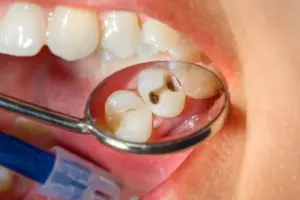
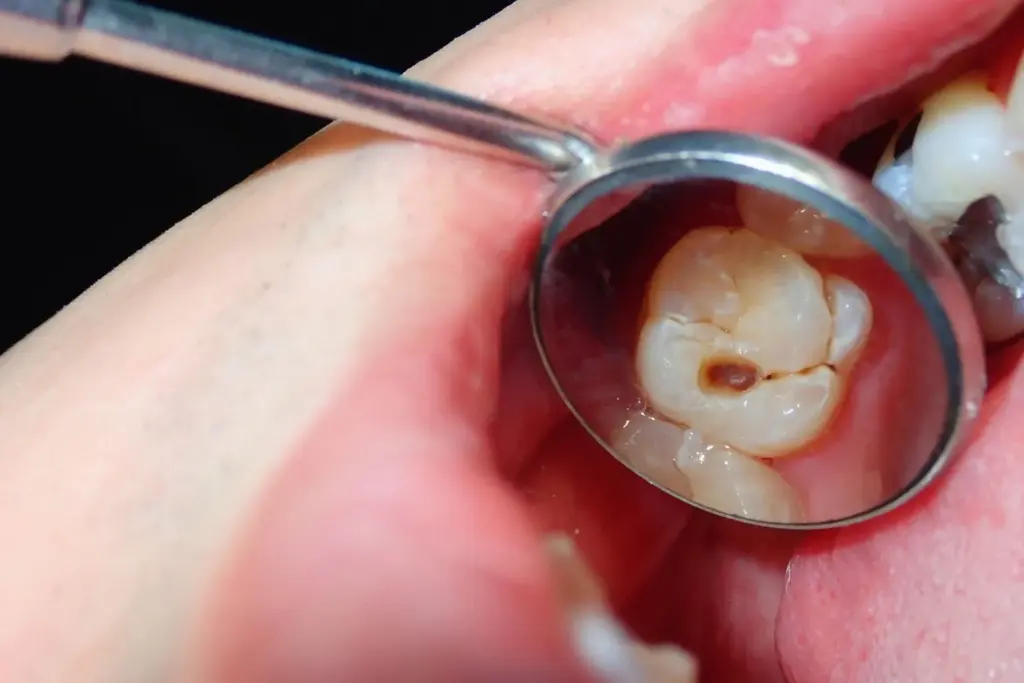
A cavity is simply an area of the tooth that has been damaged by decay. It usually begins very small, so small that you may not notice anything at first. But when it is left untreated, that tiny weak spot can grow deeper and start causing discomfort, infection, or even tooth loss. This happens when bacteria in the mouth feed on sugars from food and drinks. As they break those sugars down, they produce acids that slowly wear away the tooth surface. Over time, that damage can turn into a hole in the tooth.
Also Read | How to avoid dry mouth in winter: Dentist-approved tips to prevent cavities
Why do adults get cavities?
Many adults wonder why cavities start showing up even when they are no longer eating sweets the way they did as children. One reason is that teeth and gums change with age. Gums can gradually pull back, exposing the root surface of the tooth. Unlike the outer enamel, this part is not as strong and is much easier for decay to affect. Gum recession can happen naturally with age, but it can also be made worse by brushing too hard or using the wrong brushing technique.
Dry mouth is another major reason cavities become more common in adults. Saliva does much more than people realise. It helps rinse away food particles, neutralise acids, and control bacteria in the mouth. When the mouth stays dry, bacteria get more opportunity to build up. Many adults experience dry mouth because of certain medications, existing medical conditions, or simply age-related changes. Diabetes, for example, can contribute to this problem.
Diet also plays a bigger role than many people think. Sugary snacks, soft drinks, fruit juices, chocolates, and sticky foods can all increase cavity risk, especially when they are eaten or sipped often throughout the day. It is not only about how much sugar you have, but also how frequently your teeth are exposed to it.
Another issue in adults is old dental work. Fillings, crowns, and other restorations do not last forever. Over time, they can wear down, loosen slightly, or develop tiny edges where bacteria can collect. When that happens, new decay can begin around those older treated areas.
How are cavities treated in adults?
Treatment depends on how early the cavity is found. Small cavities are usually managed with a filling. The decayed part of the tooth is removed, and the space is filled with a durable material such as composite resin or amalgam. If the cavity is much larger, a crown may be needed to cover and protect the tooth. When decay reaches the inner nerve of the tooth, a root canal may become necessary. In that case, the damaged nerve tissue is removed, and the tooth is cleaned and sealed.
Can cavities be prevented?
The good news is that prevention is still very possible. Brushing twice a day with fluoride toothpaste is one of the most important steps, especially before going to sleep. It is also important to clean properly along the gum line and around the back teeth, where plaque often stays hidden. Flossing helps remove food and bacteria from the tight spaces a toothbrush cannot reach. It takes very little time, but it makes a real difference. An antibacterial mouthwash can also be helpful, especially for people dealing with dry mouth or frequent plaque build-up.
It also helps to cut down on sugary snacks and drinks whenever possible. If you do have them, rinsing your mouth with water afterwards is a simple habit that can help. Brushing should be done a little later, especially after acidic drinks, to avoid damaging softened enamel.
Also Read | Why winter triggers tooth sensitivity and how to get relief fast
The biggest thing to remember is this: cavities are not only a children’s issue. Adults can be just as vulnerable, and in some cases even more so, because of gum recession, dry mouth, ageing dental work, and everyday habits that slowly affect oral health. The encouraging part is that most cavities can still be prevented with regular care and routine dental visits. And if something feels off, even just a small twinge in a tooth, it is always better not to wait.
FAQs: Cavities in adults
Can adults really get cavities?
Yes, adults can get cavities at any age. In fact, they are quite common, especially when factors like dry mouth, gum recession, sugary foods, and old dental work come into play.
Why are cavities common in adults?
Cavities in adults can happen because of gum recession, dry mouth, frequent snacking, sugary drinks, poor oral hygiene, and ageing fillings or crowns.
What are the early signs of a cavity in adults?
Early signs may include tooth sensitivity, mild pain while eating sweets or drinking something hot or cold, visible dark spots, or food getting stuck in one area. Sometimes there may be no symptoms at all.
Is tooth sensitivity always a sign of a cavity?
Not always. Sensitivity can also happen because of worn enamel, gum recession, teeth grinding, or cracked teeth. A dentist can confirm the real cause.
How are cavities in adults treated?
Treatment depends on the severity. Small cavities are usually treated with fillings, larger ones may need crowns, and deeper decay may require a root canal.