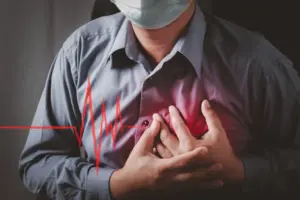

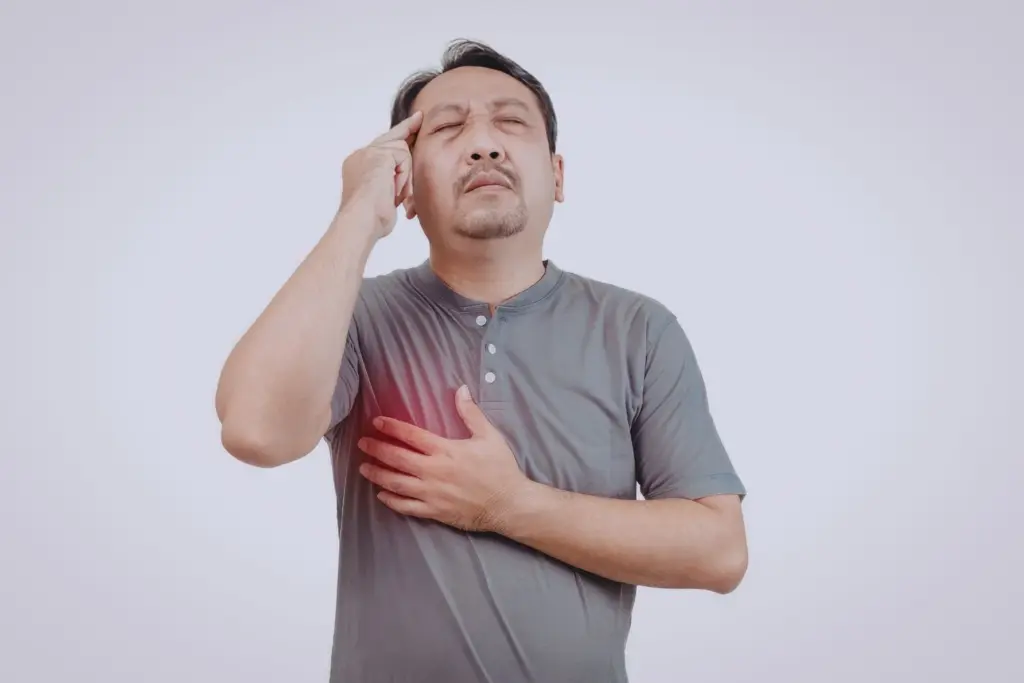
Symptoms of heart disease: When people think of heart disease, they often imagine a sudden, dramatic moment; someone clutching their chest and collapsing. But in real life, it does not always begin that way. In many cases, the warning signs are subtle, easy to dismiss, and far less obvious than most people expect. That is what makes heart disease so dangerous. Sometimes, the body starts signalling that something is wrong long before the condition becomes severe, but those signals are quiet enough to be ignored.
What is heart disease?
Heart disease is a broad term used for conditions that affect how the heart functions. One of the most common forms is coronary artery disease, which happens when the blood vessels supplying the heart become narrowed or blocked. This reduces blood flow to the heart muscle and can, over time, raise the risk of heart attack, heart failure, or other serious complications. The difficult part is that it may develop gradually, without strong or immediate symptoms.
Also Read | Can olive oil reduce cholesterol levels? Benefits explained
Why do the symptoms go unnoticed?
The heart works hard to keep the body going, and it often compensates for problems in the early stages. Because of that, the signs may not feel urgent at first. A person may simply feel more tired than usual, become short of breath more easily, or sense that something feels off without being able to explain it. These changes are often blamed on stress, age, poor sleep, or a busy routine, which is why many people overlook them.
Silent symptoms you should pay attention to
Unusual fatigue:
Feeling tired once in a while is normal. But if everyday tasks like climbing stairs, carrying shopping bags, or doing basic household work suddenly start feeling more draining than usual, it may be worth paying attention. Persistent or unusual fatigue can sometimes be an early sign of heart trouble, especially in women.
Pain in the neck, jaw, shoulders, or upper back:
Heart-related discomfort does not always stay in the chest. Sometimes it spreads to areas like the neck, jaw, shoulders, or upper back. This kind of pain can feel vague, come and go, and may not immediately seem connected to the heart. It is seen quite often in women and should not be ignored, particularly if it appears during activity or along with other symptoms.
Swelling in the legs, ankles, or feet:
If your feet, ankles, or legs are regularly swollen, especially by the end of the day, it could point to fluid retention. This may happen when the heart is not pumping as effectively as it should. As blood flow slows, fluid can begin to collect in surrounding tissues. It is easy to brush this aside as tiredness or standing too long, but repeated swelling deserves attention.
Nausea or cold sweats:
Not every heart-related symptom feels like chest pain. Some people, particularly women, may experience nausea, clamminess, or sudden cold sweats. These signs can easily be mistaken for indigestion, acidity, or a stomach infection. But when they happen along with discomfort, weakness, or breathlessness, they should be taken seriously.
Also Read | What’s the survival rate of heart attacks by age?
Heart disease does not always arrive loudly. Sometimes it begins with a whisper, tiredness that feels unusual, breathlessness that seems out of place, or an ache that does not make sense. These quieter symptoms are easy to miss, but they can be the body’s early way of asking for help. Listening to them in time can make all the difference.
FAQs: Hidden Heart Disease Symptoms You Should Not Ignore
What are the silent symptoms of heart disease?
Silent symptoms of heart disease can include unusual fatigue, breathlessness, swelling in the legs or feet, pain in the jaw, neck, shoulders, or upper back, nausea, and cold sweats. These signs may seem mild, but they should not be ignored.
Can heart disease happen without chest pain?
Yes. Heart disease does not always cause obvious chest pain. In many cases, the symptoms are subtle and may show up as tiredness, discomfort in other parts of the body, or shortness of breath.
Why are heart disease symptoms often missed?
Many people mistake early heart symptoms for stress, poor sleep, ageing, acidity, or general weakness. Because the warning signs can feel mild, they often go unnoticed until the condition becomes more serious.
Is swelling in the legs or ankles linked to heart problems?
It can be. Swelling in the legs, ankles, or feet may happen when the heart is not pumping efficiently, leading to fluid buildup in the body.
Do women experience different heart disease symptoms?
Yes, women may experience less obvious symptoms such as extreme fatigue, nausea, jaw pain, upper back pain, or shortness of breath rather than classic chest pain alone.