
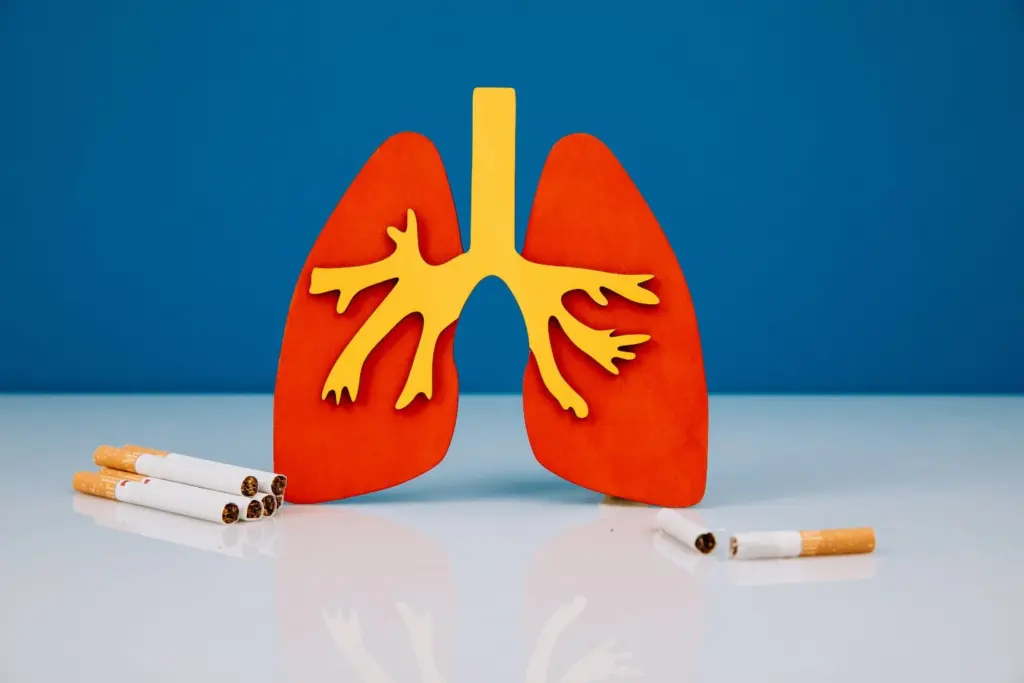
Keep your lungs healthy: In your 40s, a few changes become obvious: slower recovery, a slightly different metabolism, maybe a few grey strands. But one area most people don’t think about until it becomes a problem is lung health.
Your lungs do far more than “just” help you breathe. They deliver oxygen to every cell, clear carbon dioxide, and support your energy, stamina, and even sleep quality. As we age, lung capacity and elasticity can gradually reduce, which is exactly why looking after them after 40 matters.
The good news is you don’t need a dramatic fitness routine to protect your lungs; small, consistent habits make a real difference.
Also Read | Can air purifiers reduce lung cancer risk from pollution?
Stop smoking:
One of the most important steps is stopping smoking. Smoking remains a leading cause of long-term lung damage, but quitting at any age helps. The body begins repairing itself sooner than most people expect, and over time, your breathing, circulation, and stamina can improve.
It’s also worth remembering that it’s not only cigarettes; vaping and regular exposure to second-hand smoke can irritate and inflame the airways too. If quitting feels difficult, support helps: a doctor, nicotine replacement, or a structured programme often increases success.
Stay away from pollution:
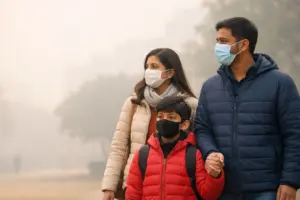
Next, pay attention to the air you’re breathing every day. Pollution, dust, and chemical fumes can quietly strain the lungs over the years. If you live in a city or near heavy traffic, checking the air quality index and limiting outdoor exposure on bad days can help.
At home, simple choices matter: good ventilation while cooking, avoiding harsh aerosol sprays, and being careful with strong cleaners, paint fumes, and room fresheners. If allergies, pets, or dust trigger symptoms, a good-quality air purifier and regular cleaning can make the air feel noticeably easier to breathe.

Stay active:
Staying physically active is one of the simplest ways to keep lungs strong. Movement makes your lungs work a little harder, which helps maintain their efficiency and keeps the chest muscles more flexible. You don’t need intense workouts to see benefits. Brisk walking, cycling, swimming, dancing, or even consistent stair climbing can support lung fitness. Aim for regular activity most days of the week, and build it around your lifestyle: short walks between meetings, an evening stroll after dinner, or a weekend routine you can stick to.
Maintain weight:
Your weight can also affect breathing, especially after 40. Extra weight around the chest and abdomen can make the lungs feel more restricted and may worsen breathlessness during activity or sleep. Even a modest reduction can improve comfort and stamina. Focus on realistic changes, such as daily walking, balanced meals, and reducing highly processed snacks, rather than extreme dieting. The goal is to make breathing feel easier, not to chase a number.
Also Read | Early COPD symptoms you shouldn’t ignore
Above all, think of lung care as something you build slowly. Your lungs have been doing their job nonstop since the day you were born; quietly, reliably, without asking for much attention. Now is a good time to return the favour. Small shifts, such as cleaner air, regular movement, and fewer irritants, add up. Take a slow, deep breath right now. If it feels easy, protect that. If it doesn’t, let that be your reminder to start caring a little more, one habit at a time.
FAQs: How to Keep Your Lungs Healthy After 40
Do lungs naturally get weaker after 40?
Yes. Lung capacity and elasticity can gradually decline with age, which can make stamina slightly lower over time. Healthy habits can slow this decline.
What are early signs my lungs may need attention?
Shortness of breath with mild activity, frequent cough, wheezing, chest tightness, low stamina, or getting breathless more easily than before are common signs to take seriously.
If I quit smoking after 40, will my lungs still improve?
Yes. Quitting helps at any age. The body begins repairing itself quickly, and over time breathing and endurance often improve while the risk of lung disease reduces.
How does air pollution affect lung health?
Pollution can inflame airways and worsen allergies, asthma, and long-term lung function. Checking the AQI, limiting outdoor exposure on high-pollution days, and improving indoor air quality can help.
Can excess weight affect breathing?
Yes. Extra weight can press on the chest and abdomen, making breathing feel heavier, especially during exertion and sleep. Even modest weight loss can improve comfort.