


Period migraines: If you’ve ever felt a migraine roll in just before your period, you’re not imagining it. Hormones, especially oestrogen, play a huge role in triggering migraines. For many women, migraines aren’t just about stress or sleep. They follow a pattern. And that pattern often maps straight onto the menstrual cycle.
Let’s break down how it works, why it happens, and what you can actually do about it.
Also Read | Acupressure for migraines: Does it really work?
Oestrogen: The Real Instigator
Oestrogen helps regulate many things, including mood, sleep, and, yes, pain sensitivity. When oestrogen levels drop quickly, it can set off a migraine. That’s why so many women get headaches in the days leading up to their period, when oestrogen dives.
There’s even a term for this: menstrual migraines. They tend to hit around two days before bleeding starts and can last into the first few days of your period. They’re often more intense, last longer, and respond less to common pain meds.
When Hormonal Migraines Show Up
It’s not just periods. Hormonal migraines can show up in several stages of life:
- Ovulation: Oestrogen peaks mid-cycle, then drops. Some women get migraines right after that shift.
- Pregnancy: For many, migraines improve during pregnancy (especially after the first trimester) when hormone levels stay high and stable.
- Postpartum: Oestrogen crashes hard after delivery. Cue migraines, plus sleep deprivation and stress.
- Perimenopause: Hormone levels become unpredictable. Migraines can get worse before they get better.
- Menopause: Once hormones settle down, migraines often ease, but not always.
If this sounds familiar, you’re definitely not alone.
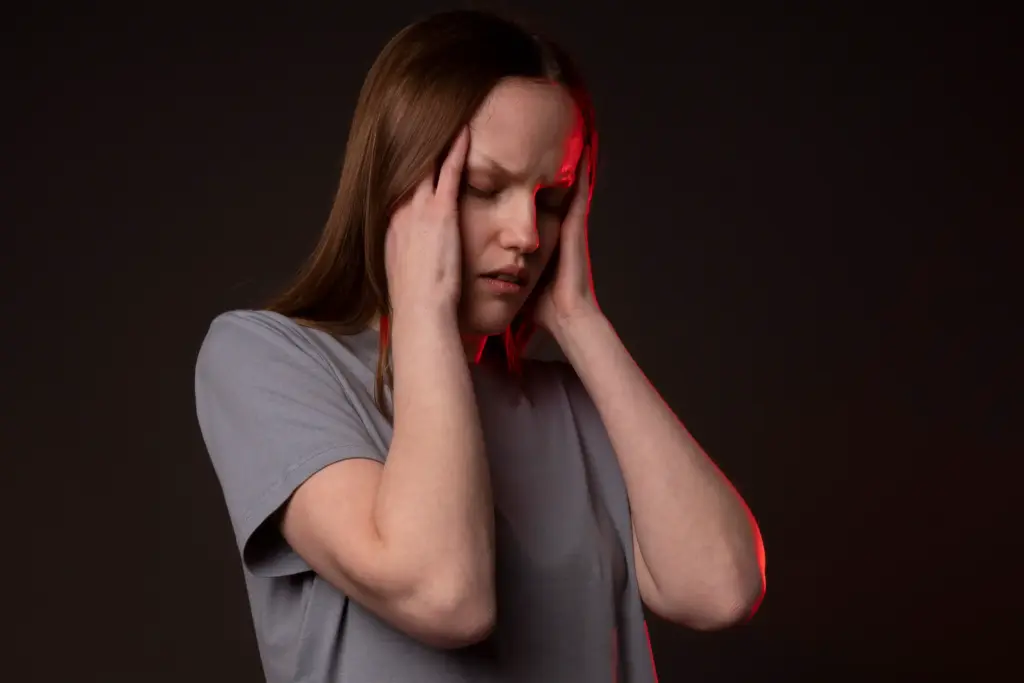
Menstrual Migraines: The Role of Triggers
Hormones are a big factor, but they’re rarely the only one. Most women with migraines also have triggers layered on top. Think:
- Skipped meals
- Poor sleep
- Stress (emotional or physical)
- Strong smells or lights
- Certain foods (like chocolate, aged cheese, red wine)
That’s why hormonal migraines aren’t just about your cycle, they’re about what else is happening around that time. You’re more vulnerable during hormonal drops, so even small triggers can have a bigger impact.
How to Ease Menstrual Migraines?
Managing hormonal migraines isn’t about chasing a cure; it’s about knowing your pattern and planning around it. Here’s what helps:
- Track your cycle and symptoms: Use an app or a notebook. If your migraines show up like clockwork, you can prep ahead of time.
- Try magnesium: Studies suggest magnesium (especially citrate or glycinate) can reduce frequency. Many women are unknowingly deficient.
- Use triptans strategically: These prescription meds work best when taken early—ideally right at the first sign of a migraine.
- Watch caffeine: Some women find a small dose helps stop a migraine early. But too much (or withdrawal) can trigger it.
- Talk to your doctor about hormonal birth control: It can help regulate hormone swings for some, but not for everyone.
Also Read | Is it a sinus headache or a migraine? Here’s how to tell
Hormonal migraines aren’t in your head; they’re in your hormones. And while you can’t stop your cycle, you can understand it. The more you know your own pattern, the better you can manage it. You don’t have to just suffer through.