
C-Section: A C-section isn’t just “another way to give birth.” It’s major surgery. And while it’s common, it’s not always fully explained. If you’re pregnant, or planning to be, you deserve to know what really happens in that operating room, and why a doctor might choose this route.
Let’s break it down clearly.
Also Read | Early signs of labour every pregnant woman should know
When Is a C-Section Needed?
C-sections can be planned or done in an emergency. The goal is always the same: protect the health of the baby and mother.
Here are the most common reasons:
- Labour isn’t progressing: You’ve been pushing for hours, but the cervix won’t dilate, or the baby just isn’t coming down.
- Baby is in distress: If the heart rate drops or oxygen supply is threatened, doctors act fast.
- Baby is in breech position: Feet or buttocks first, instead of head-down.
- Placenta previa: The placenta covers the cervix; vaginal birth isn’t safe.
- Previous C-section: Depending on the scar type and time gap, some women aren’t advised to try vaginal birth again.
- Multiple births: Twins or more often lead to planned C-sections, especially if one baby is not in the right position.
Sometimes, it’s not urgent. Your doctor might recommend a scheduled C-section if your baby is very large, you have health conditions (like high BP or diabetes), or if you’ve had complications in past deliveries.
What Happens During a C-Section?
You’re awake. That surprises many women. But the surgery is done under spinal or epidural anaesthesia, so you feel no pain, just tugging or pressure.
Here’s what goes down, step by step:
- Preparation: You’ll get a catheter, an IV, and the lower half of your body will be numbed. A curtain goes up so you don’t see the surgery.
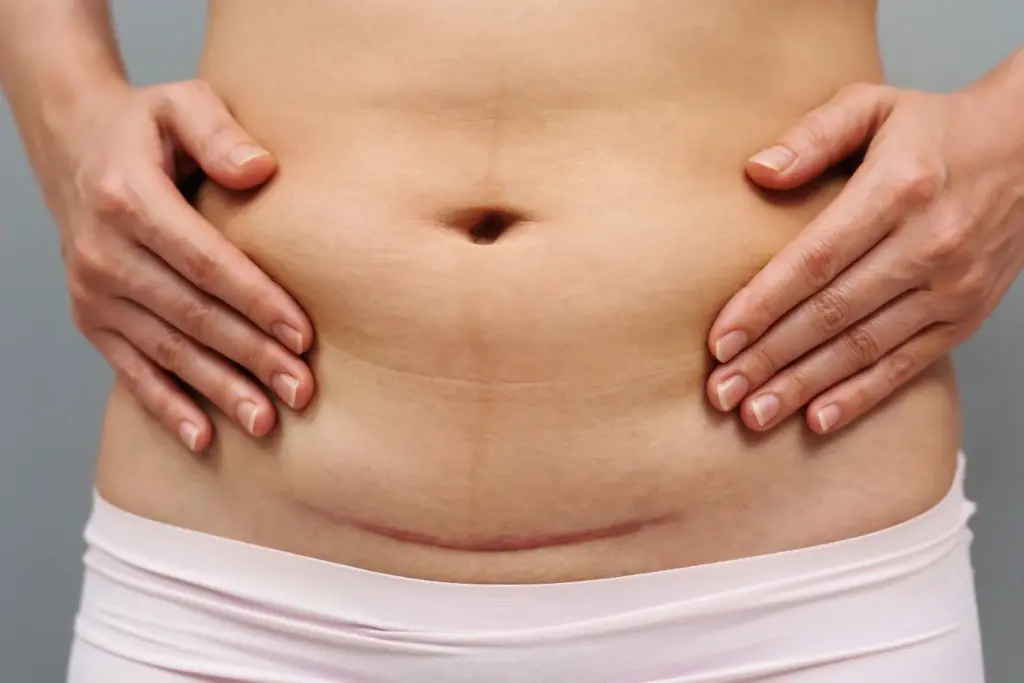
- Incision: The doctor makes a horizontal cut just above the pubic area. It’s usually about 10–15 cm.
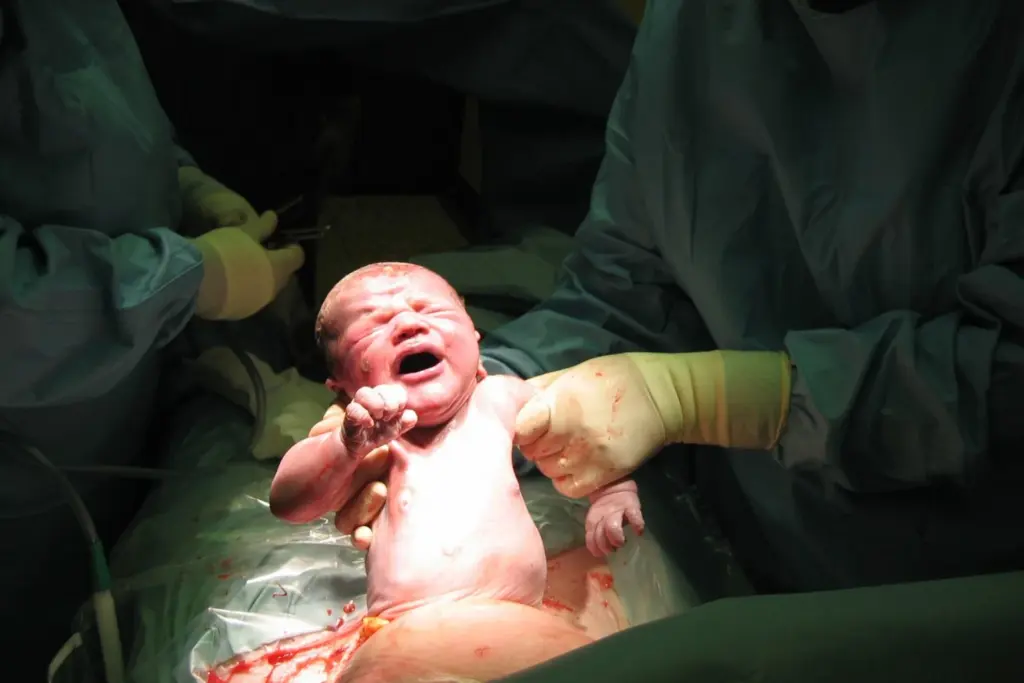
- Delivery: After cutting through the skin, fat, muscle, and uterus layers, the doctor lifts the baby out. You might hear crying immediately, or not, which can feel scary, but doctors know what to do.
- Closing up: After the baby is checked, weighed, and handed to the paediatrician or nurse, the doctor removes the placenta and starts stitching you up, layer by layer.
From start to finish, the surgery takes around 45 minutes. The actual delivery part? Barely 5 minutes.
What Comes After a C-section
Recovery from a C-section takes longer than vaginal birth. Expect:
- Soreness near the scar
- Limited movement for a few days
- A hospital stay of 3–4 days (on average)
Most women go home walking, but full internal healing takes 6–8 weeks. Support at home makes a huge difference, especially in managing pain, breastfeeding, and rest.
Also Read | What can cause a false positive pregnancy test?
C-sections save lives. But they’re not a shortcut, and definitely not the “easy way out.” Whether planned or sudden, it’s still birth, and it’s still brave.
If you’re unsure whether you might need one, talk openly with your doctor. Ask the hard questions. Make your birth plan flexible. And know that whatever way your baby arrives, it’s valid.
FAQs: When do you need a C-Section?
What is a C-section?
A C-section (cesarean delivery) is a surgical procedure used to deliver a baby through an incision in the abdomen and uterus.
Are you awake during a C-section?
Yes, in most cases. Spinal or epidural anaesthesia is used, so you don’t feel pain, but you may feel pressure or movement.
How long does a C-section take?
The entire procedure takes about 30–45 minutes, while the baby is usually delivered within the first few minutes.
Is C-section painful?
You won’t feel pain during surgery due to anesthesia. Pain and discomfort can occur during recovery.
Is a C-section safer than normal delivery?
Both have their own risks and benefits. A C-section is recommended only when it is medically safer for the mother or baby.