

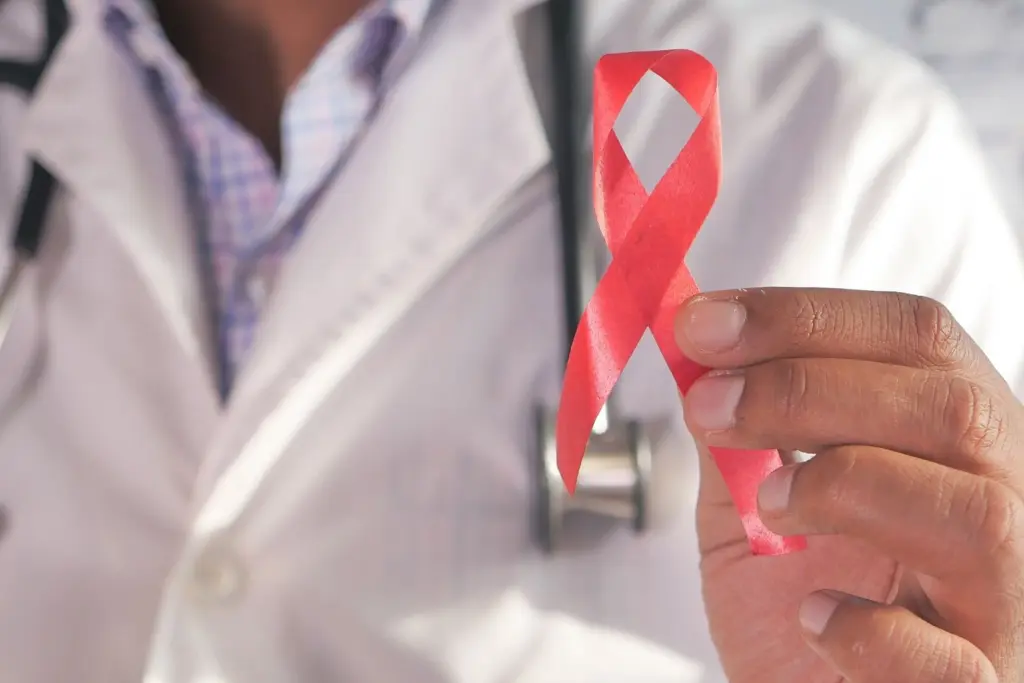
Signs of HIV: Most people don’t think about HIV until something scares them into a late-night Google spiral. The truth is, early signs can be subtle. Some people brush them off as a bad week or a stubborn cold. But listening to your body can make a real difference.
What are the early symptoms of HIV?
One of the first things people notice is a strange, flu-like feeling that shows up a couple of weeks after exposure. It’s not the usual sniffles. It comes with a kind of heavy, tired feeling that makes your limbs feel glued to the bed. Some get a fever that rises and falls without any clear reason. Others feel chills that sneak up on them in the middle of the day. You might also get a sore throat that feels scratchy and raw, even if you haven’t talked much or slept with the fan on all night.
Also Read | Our Expert Article: Dr Pratik Savaj On Life Beyond HIV
Common symptoms people often mistake for something else:
Swollen lymph nodes are another early sign. Most of us don’t check them unless someone tells us to. But if the sides of your neck or the area under your jaw feel tender when you press lightly, pay attention. The same goes for the armpits. It’s usually painless but still noticeable if you’re tuning in.
A rash can appear, too. Not the dramatic kind you see in movies, just small patches of red spots that itch a little or not at all. I’ve heard people say they noticed it only when changing clothes under bright light. It often fades on its own, which makes it easy to ignore.
Some folks also feel a kind of brain fog. You know that weird, fuzzy feeling where your thoughts move more slowly than usual? It can show up for no clear reason. Night sweats are common as well. Waking up with damp sheets, even though your room isn’t warm, is a sign worth checking on.
When should you get tested for HIV?
Now the question is: when should you actually get tested? The short answer is sooner than later. If you had unprotected sex, shared needles, or had a potential exposure, don’t wait for symptoms to show up. Many people never get early signs at all. Testing after about three to four weeks gives you a good idea of what’s going on. A follow-up test after three months gives you full clarity.
Also Read | What are the first signs of HIV? A complete guide
Why early testing matters more than you think?
Getting tested is a responsible step for your health, and for anyone you care about. If something feels off or you want peace of mind, get the test. It’s quick. It’s private. And it’s better than sitting with worry that grows louder every day.