


Genital dryness: Winter doesn’t just dry out your hands and lips. The skin around your intimate area can also start feeling tight, itchy, or unusually sensitive when the weather turns cold. Lower humidity, cold air, and long hot showers can strip natural moisture and make the area more reactive than usual. It’s common, it’s uncomfortable, and it doesn’t mean anything is “wrong” with you; it usually just needs gentler care.
Tips to prevent genital dryness and sensitivity:
Use warm water, not hot:
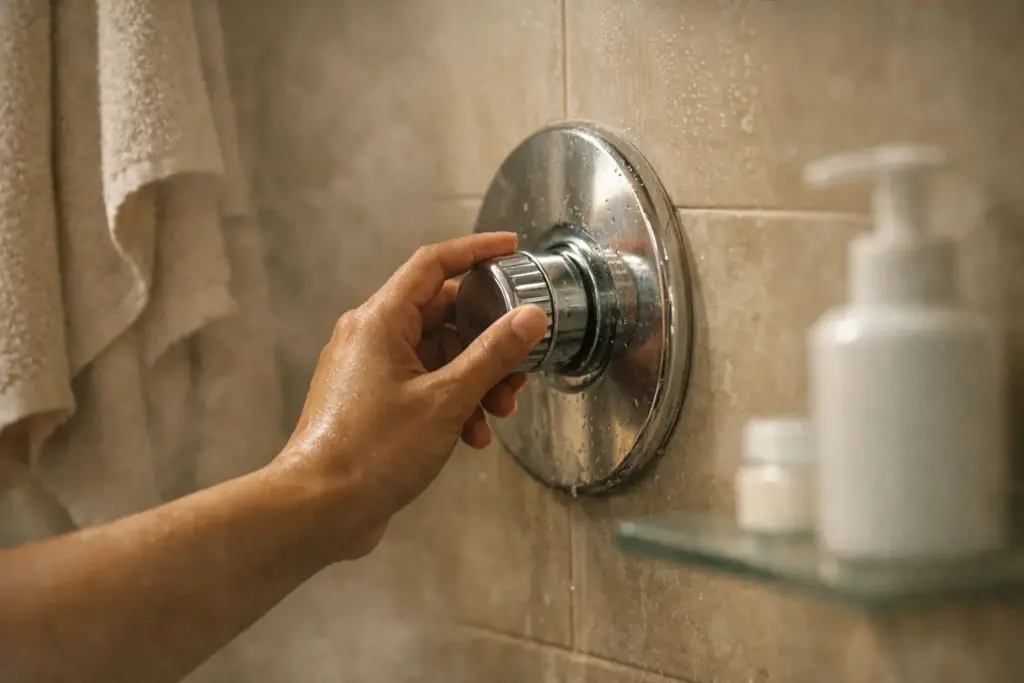
A steaming shower feels great, but hot water removes the natural oils that protect delicate skin. In winter, that can quickly lead to irritation. Keep showers short, use lukewarm water, and avoid letting very hot water run directly over the genital area for long.
Also Read | Why erectile dysfunction could be a red flag for your health
Switch to gentle, unscented cleansing:
This is one of the biggest fixes. Strong soaps, scented body washes, and “antibacterial” intimate products can disturb the natural balance and trigger burning or itching. For women: the vagina is self-cleaning; wash only the outer vulva gently. For men: use a mild, fragrance-free cleanser to avoid dryness or redness. Look for labels like fragrance-free, pH-balanced, soap-free, and hypoallergenic.
Moisturise daily, but choose the right products:
Just like winter skincare for your face, the outer intimate skin can benefit from light moisturising after a bath, while the skin is still slightly damp. Safe options (for external use) can include pure coconut oil, plain aloe vera gel (no perfume/additives), a light touch of vitamin E oil, or a gynaecologist-recommended intimate moisturiser. Avoid perfumed lotions, harsh “body creams,” and do not apply petroleum jelly inside the vagina.
Don’t overwash or scrub:
This area isn’t meant to be “scrubbed clean.” When you wash too often, use rough loofahs, or rub hard with a towel, the skin barrier gets damaged. That can lead to redness, peeling, a burning feeling, extra dryness, and even tiny micro-tears that sting later. Keep it simple: gentle wash on the outside, rinse well, pat dry.
Add moisture back into your room air:
Winter heating dries out the air, and your skin pays the price, everywhere, including the intimate area. A humidifier can help if you notice signs like waking up with a dry throat, cracked lips, or tight, itchy skin. Even keeping a bowl of water near a heat source can slightly improve humidity in smaller rooms.
Wear breathable, non-tight layers:
Cold weather usually means more layers, but tight clothing can increase friction and trap sweat, which can irritate sensitive skin. Choose soft, breathable fabrics that don’t rub. Loose cotton underwear, relaxed pyjamas, and gentle layers are usually the most comfortable winter choices.
Watch out for “hidden irritants”:
Sometimes the problem isn’t your skin, it’s what touches it daily. In winter, skin is already more reactive, so common products can suddenly start causing itching or dryness. If you’re prone to irritation, avoid: scented pads or pantyliners, perfumed wipes, harsh detergents, fabric softeners, dryer sheets, and coloured/fragranced toilet paper. Switch to fragrance-free, gentle options whenever possible.
When to see a doctor:
Most winter dryness settles with basic care. But don’t ignore symptoms that don’t improve or feel unusual. Get checked if you have persistent itching, burning, pain, unusual discharge, sores/cuts, swelling, or anything that keeps recurring.
Also Read | Are STDs transmitted through kissing?
Winter can be rough on skin, but intimate dryness is common, manageable, and nothing to feel awkward about. A few small changes usually bring fast relief and keep you comfortable through the season.