


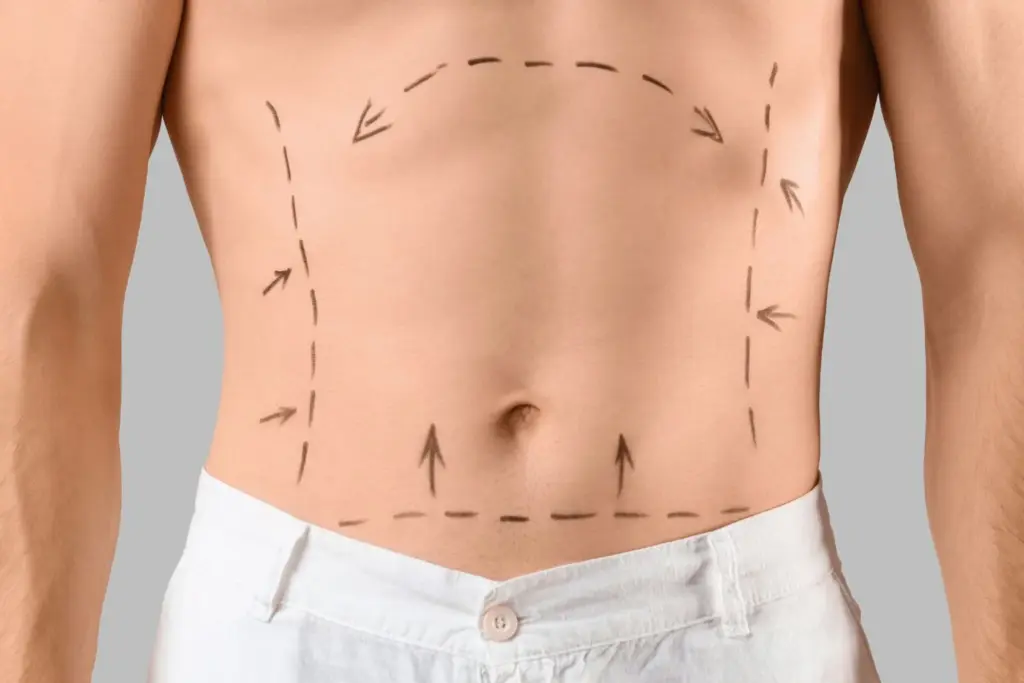
What a tummy tuck is: A tummy tuck, medically known as abdominoplasty, is a cosmetic surgical procedure that removes excess skin and fat from the abdomen to tighten it.
A tummy tuck is not intended for weight loss; it is a body contouring procedure designed to enhance physical appearance by reshaping the abdominal area after restoring the weakened or separated muscles. This procedure is usually recommended to improve the appearance of a saggy or flabby abdomen, especially after drastic weight loss or pregnancy.
Also Read | Why your skin may look dull or swollen with high blood pressure
Types of tummy tucks:
- Standard abdominoplasty (Full tummy tuck): Addresses the entire abdomen, including both above and below the belly button. Involves a hip-to-hip incision.
- Mini abdominoplasty (Mini tummy tuck): Focuses mostly on the lower abdomen with a shorter incision and less extensive surgery.
- Extended abdominoplasty (Extended tummy tuck): This one includes the sides and the front portion of the abdomen. Includes removal of excess skin from the lower back, and the incision extends beyond the hips.
- Circumferential abdominoplasty: It’s also called a body lift. This procedure addresses the entire midsection, including the front, sides, back, and sometimes the buttocks.
How does tummy tuck surgery work?
The surgery is performed under general anaesthesia and typically takes 2 to 4 hours. An incision is made between the pubic hairline and the belly button. The excess skin and fat are trimmed. Later, the weakened or separated abdominal muscles are strengthened together to create a firmer abdomen. The skin is repositioned to look natural with the new abdominal contour.
Wondering about the recovery process?
Recovery from a tummy tuck requires patience and proper care.
- Weeks 1- 2: This is the initial recovery phase. Swelling, bruising, and discomfort are normal. Movement is limited, and patients are advised to avoid heavy lifting.
- Weeks 3 – 6: This is the short recovery phase where the pain decreases and light walking is encouraged. Compression clothes support the body to heal, and the swelling continues to reduce.
- Complete recovery can take up to 3 to 6 months, with scars continuing to fade over a year.
Tips for a smooth recovery after tummy tuck surgery
- Sleep in a slightly bent position to reduce tension on incisions
- Stay hydrated and eat nutrient-rich foods
- Avoid smoking, which can impair healing
- Wear compression garments as advised
Also Read | Do hair loss treatments for women actually work? What experts think
Here are some things one should know before a tummy tuck:
A tummy tuck can leave permanent scarring. Scars may fade over time, but never completely disappear.
Future pregnancies can separate muscles and stretch the skin again. Significant weight gain or even weight loss can negatively impact the surgery results.
A tummy tuck can be a life-changing procedure for those seeking a firmer, flatter abdomen. As with any surgery, a tummy tuck carries certain risks, such as infection and changes in skin sensation. It’s important to consult an experienced surgeon for the procedure and set realistic expectations.
FAQs: What Happens During a Tummy Tuck?
What is a tummy tuck?
A tummy tuck, also called abdominoplasty, is a cosmetic surgery that removes excess skin and fat from the abdomen and tightens weakened or separated abdominal muscles to create a firmer, flatter stomach.
Is a tummy tuck a weight loss procedure?
No. A tummy tuck is not meant for weight loss. It is a body contouring procedure designed to improve the shape and appearance of the abdomen.
Who is a good candidate for a tummy tuck?
It is usually recommended for people with loose or sagging abdominal skin, stretched muscles after pregnancy, or excess skin after major weight loss.
What are the different types of tummy tuck surgery?
The main types are full tummy tuck, mini tummy tuck, extended tummy tuck, and circumferential tummy tuck or body lift.
Is tummy tuck surgery painful?
Some pain, swelling, bruising and discomfort are normal after surgery, especially in the first two weeks. Your surgeon will usually prescribe medication to help manage this.