
Sleep apnea types: Ever jolted awake, feeling like you couldn’t catch your breath? Or has someone told you your snoring is so loud it shakes the room, sometimes with odd pauses where it sounds like you’ve stopped breathing? Those can be clues of sleep apnea, a common sleep disorder where breathing repeatedly slows down or briefly stops through the night. Many people live with it for years without realising, because it happens while they’re asleep, and daytime tiredness gets blamed on “stress” or “late nights.”
This matters for more than just sleep quality. When breathing keeps dropping, the body gets less oxygen, and the brain has to keep “resetting” sleep to restart airflow. Over time, untreated sleep apnea has been linked to higher risks of high blood pressure, heart problems, diabetes, stroke, along with poor concentration, irritability, mood changes, and depression-like symptoms.
Also Read | How to stop feeling sleepy all day, without more coffee
Types of sleep apnea:
Obstructive Sleep Apnea (OSA): This is the most common form. While you sleep, the muscles in the throat relax. In OSA, they relax enough that the airway narrows or collapses, so air struggles to pass through. Think of it like a soft tube getting squeezed; air still tries to move, but it becomes noisy (snoring) and can pause until the brain briefly wakes you to reopen the airway.
Central Sleep Apnea (CSA): This one isn’t caused by a blocked throat. Instead, the brain doesn’t consistently send the right signals to the muscles that control breathing. For a few seconds, your body simply doesn’t “initiate” a breath. It’s more of a communication issue between the brain and breathing muscles than a physical blockage.
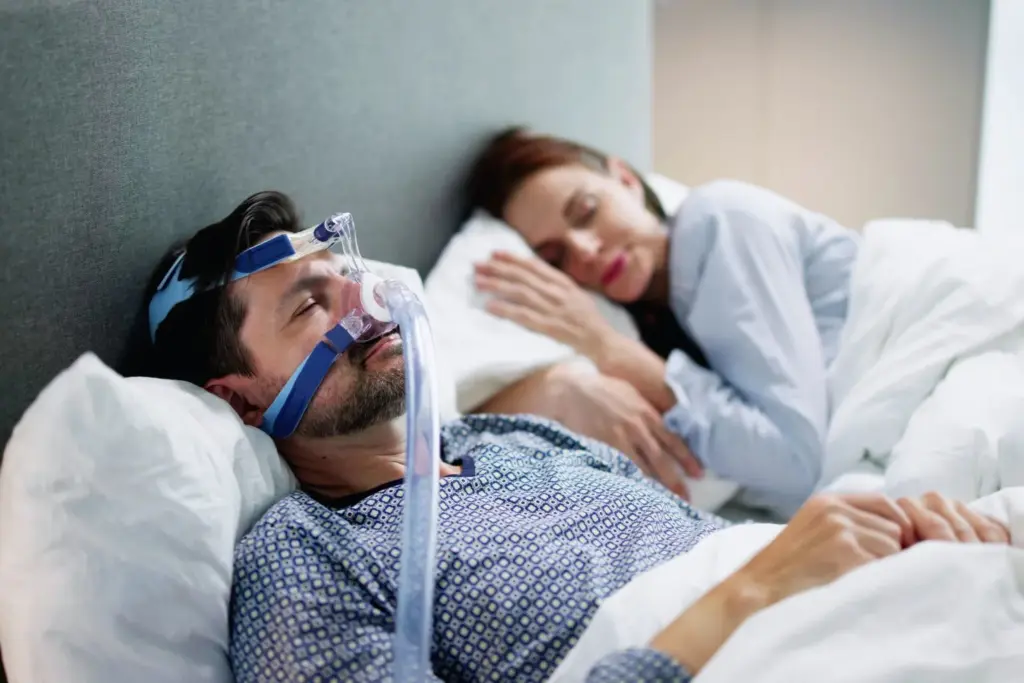
Complex Sleep Apnea (Treatment-Emergent CSA): This is a mix. Some people start treatment for obstructive sleep apnea, often with a mask device that keeps the airway open, and then develop central sleep apnea patterns during therapy. In other words, the obstruction improves, but breathing pauses still show up due to a central signalling issue.
How is sleep apnea diagnosed?
Doctors may recommend a sleep study (also called a polysomnography). You might stay overnight at a sleep centre or use a home testing kit. During the study, doctors monitor:
- Breathing patterns
- Heart rate
- Oxygen levels
- Movement and brain activity
Can children have sleep apnea?
Yes, kids can also get obstructive sleep apnea, often due to:
- Enlarged tonsils or adenoids
- Obesity
- Asthma or allergies
Signs in children include:
- Loud snoring
- Mouth breathing
- Trouble paying attention
- Bedwetting
- Behaviour issues in school
How is sleep apnea treated?
For obstructive sleep apnea, continuous positive airway pressure is needed. Or a machine that keeps your airway open by blowing air through a mask. It’s very effective but takes time to get used to. For central sleep apnea, you need to treat underlying conditions like heart failure or medication side effects. Sometimes, even medications are used to stimulate breathing.
Also Read | How you might be sabotaging your sleep without realising it
So above all, you need to know that sleep apnea might sound really scary, but it’s treatable, and the sooner you get help, the better you feel. If you snore loudly or wake up feeling tired, don’t ignore it and talk to your doctor as soon as possible. Getting proper treatment is very important. And honestly, a good night’s sleep is a very important gift that you can give to yourself.