
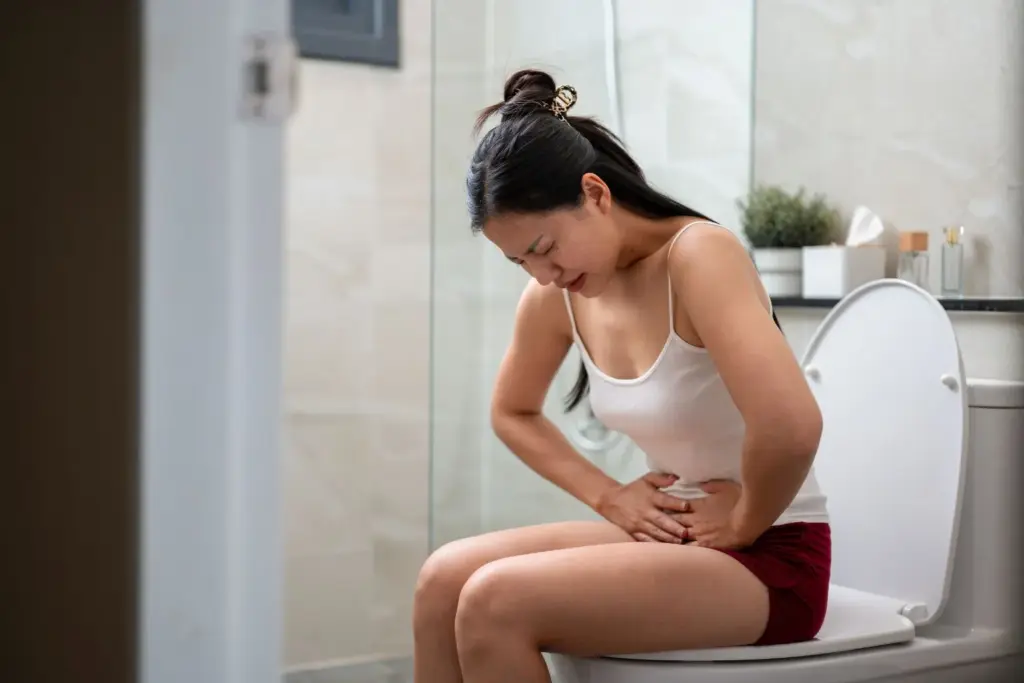
UTI, constipation and bloating: When you hear “urinary tract infection” (UTI), you probably think of burning while peeing, running to the washroom again and again, or a dull pain in the lower abdomen. But many people are surprised when a UTI shows up with constipation, bloating or general tummy discomfort too.
So, can a UTI really affect your gut?
Yes, it can. Your bladder and large intestine sit very close to each other in the pelvis. When there’s an infection in the urinary tract, the nearby tissues, including areas around the colon, can become irritated and inflamed. That irritation can lead to:
- Cramping or a feeling of pressure in the lower belly
- Bloating or a sense of fullness
- Slower movement of stool, which can cause or worsen constipation
In short, a UTI doesn’t just stay “in the bladder”; sometimes your gut feels the impact too.
Also Read | Can foods really change your urine colour? Here’s the science
Can UTI lead to constipation?
When something hurts, your body automatically goes into protection mode. Muscles in the painful area tighten to protect the area. When this happens around the pelvis, those tight muscles can make it harder for the bowels to move properly, leading to constipation. UTIs commonly cause:
- Pelvic pain
- Lower back pain
- A feeling of pressure around the bladder
All of this can change how your muscles and nerves behave in that area.
Holding urine… and stool
When you have a UTI, you may try to avoid peeing because it burns or hurts. Without realising it, you might:
- Put off going to the toilet
- Hold in stool longer than usual
- Delay bowel movements again and again
Over time, this habit can slow things down and worsen constipation.
Can bloating also be a UTI symptom?
Yes, it can. Many people describe a heavy, swollen or bloated feeling in the lower abdomen during a UTI. This often feels different from typical “gas bloating” and may be accompanied by pressure or discomfort around the bladder.
This can happen because:
- The bladder lining becomes swollen and irritated
- The muscles around the bladder may go into spasm
- Gas can build up in the intestines
- Inflammation in the area creates extra pressure
So, while constipation and bloating are usually seen as “gut issues”, they can sometimes be closely linked to a UTI.
How do you know if your constipation is linked to a UTI?
You may be dealing with UTI-related constipation if urinary symptoms and bowel changes show up around the same time. When these signs appear together, especially quite suddenly, a UTI could be the underlying cause.
However, if constipation is severe or lasts longer than three to four days, you should speak to a doctor to rule out other problems.
Typical UTI symptoms include:
- Pain or burning while urinating
- Strong, frequent urge to pee
- Cloudy or strong-smelling urine
- Pain or discomfort in the lower abdomen
- Along with digestive symptoms such as constipation
- Bloating or excess gas
- A heavy or full feeling in the lower belly
- Straining while passing stool
How to ease constipation and bloating during a UTI
Staying hydrated is one of the most important parts of UTI care. Drinking enough water helps flush out bacteria and also softens stool, making it easier to pass.
Adding fibre-rich foods such as fruits, vegetables and oats can support your intestines and help stool move more smoothly.
You can also place a heating pad or warm compress on your lower abdomen. This may help relax tight pelvic muscles and soothe bladder cramps and inflammation, easing the discomfort.
When should you see a doctor?
Get medical help if:
- UTI symptoms last more than 2 days
- You develop a fever or severe pain in your back or side
- Constipation doesn’t improve after 3–4 days
- You notice blood in your urine or stool
- You are unable to pass urine
- You have intense or worsening abdominal pain
Also Read | UTI vs. kidney infection: How to tell the difference
A UTI doesn’t just trouble your bladder; it can affect the whole lower abdomen. Constipation and bloating are quite common because inflammation, tight pelvic muscles, dehydration and even antibiotics can slow down digestion. However, simple steps like drinking enough water, gentle movement, warm compresses, and following your doctor’s advice can ease both UTI discomfort and digestive problems.