
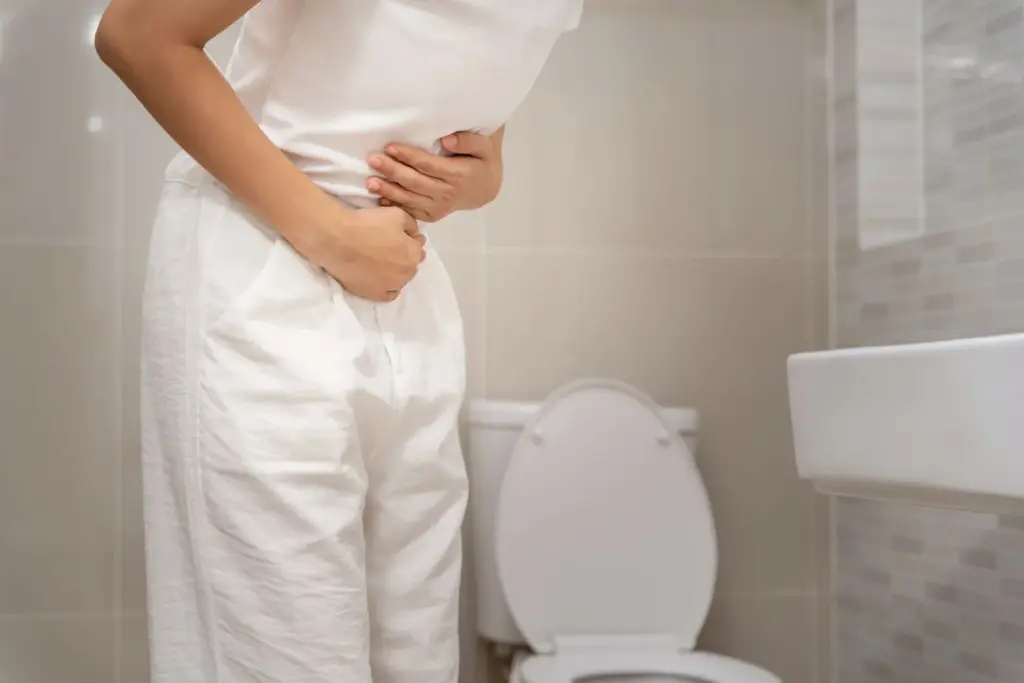
Pain when you pee: Ever felt a sting or a sharp pull low in your belly right when you start peeing, or as your bladder empties? It can feel alarming, but it’s a complaint doctors hear all the time. Pain around urination usually points to irritation or inflammation somewhere in the urinary tract, and your body is basically waving a small red flag that something needs attention.
Where does the pain occur?
First, notice what “pain” actually means for you. Some people describe a burning feeling deep in the lower abdomen, others feel a crampy pressure, and some get a sharp ache that hits during or just after peeing. It might be mild and nagging, or strong enough to make you dread the bathroom. The pattern matters because it gives clues about what’s going on.
Also Read | Can a UTI cause constipation and bloating? What your gut is telling you
When the pain can signal a urinary tract infection:
One of the most common causes is a urinary tract infection (UTI). When bacteria get into the urinary tract, most often the bladder, you may feel burning while peeing, lower belly discomfort, and the constant urge to go, even when very little urine comes out.
UTIs are more common in women, but men and children can get them too. A simple urine test can usually confirm it, and treatment is straightforward when caught early.
When the abdominal pain can hint at a bladder infection:
A bladder infection (cystitis) is essentially a UTI that’s centred in the bladder. It often feels like soreness or pressure just above the pubic bone, along with frequent urination and stinging. Many people also feel like they can’t fully empty their bladder. Treatment typically involves antibiotics if it’s bacterial, and avoiding irritants, like harsh soaps, scented washes, or bubble baths, can help prevent flare-ups.
Abdominal pain and kidney stones:
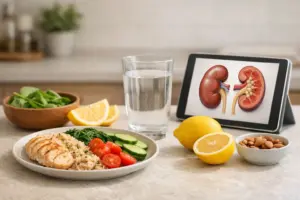
If the pain is severe, comes in waves, or is paired with back/side pain, kidney stones become a possibility. Stones are small, hard crystals that form in the kidneys. Trouble starts when they move into the urinary tract; pain can be sharp, intense, and unpredictable, and sometimes it’s accompanied by burning while peeing. Smaller stones may pass with fluids and pain control, while larger ones sometimes need medications or medical procedures to help them move or be removed.
Home tips to reduce abdominal pain:
- Drink plenty of water to help flush the urinary tract.
- Avoid common triggers like caffeine, alcohol, and very spicy foods, which can worsen burning for some people.
- A warm heating pad on the lower abdomen may help with cramping or pressure.
- And don’t hold urine; go when you feel the urge, because delaying can increase discomfort.
When to see a doctor:
If the discomfort lasts more than a day or two, or if it’s getting worse instead of better, it’s worth getting checked. Seek medical care sooner if you notice blood in your urine, fever or chills, vomiting, pain that’s severe or constant, pain during sex, or episodes that keep coming back in cycles. These can be signs that the infection is spreading, a stone is involved, or something else needs proper treatment.
Also Read | Can foods really change your urine colour? Here’s the science
Lower belly pain while peeing isn’t “normal,” but it also doesn’t need panic. Think of it as your body’s early warning system. Paying attention early and getting help when the signs are stronger usually makes recovery faster and simpler.